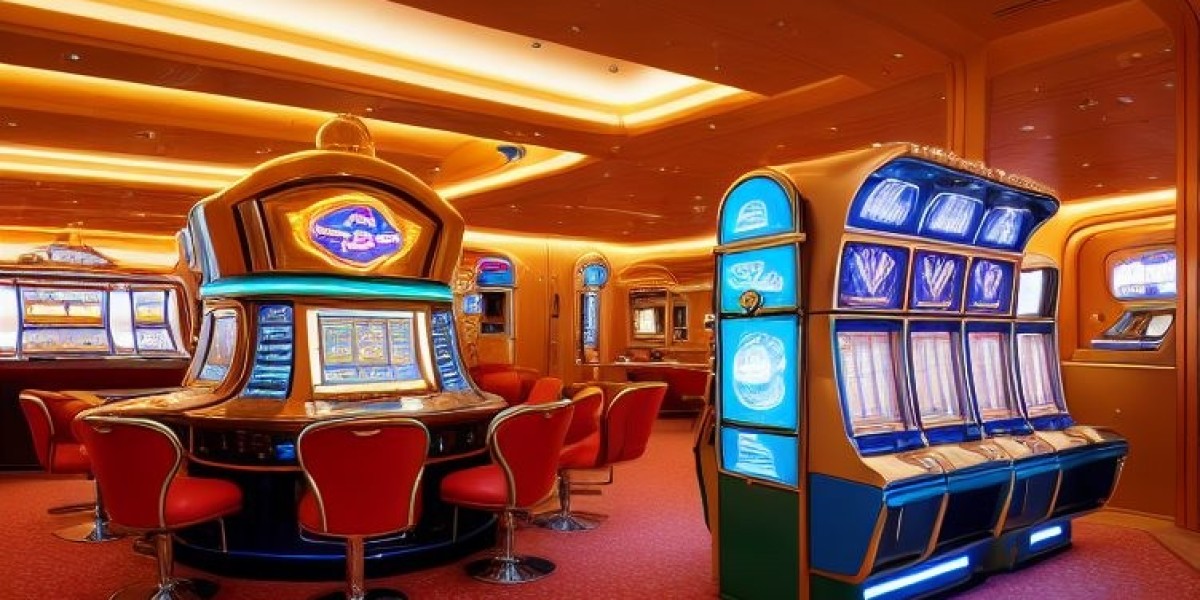
Although football has always been a physical sport, the way fans consume and interact with the tournament is shifting heavily into the digital realm.
Although football has always been a physical sport, the way fans consume and interact with the tournament is shifting heavily into the digital realm. As we look toward the 2026 FIFA World Cup, which takes place in massive tech hubs, the blending of digital gaming and live sports is expected to reach absolutely unprecedented levels. The organizers and Silicon Valley giants are investing massive fortunes into developing immersive digital experiences that exist simultaneously with the real games. Here, we will explore how competitive FIFA gaming and VR headsets will change the upcoming mega-event for everyone watching at home.
To see the future of football consumption, we have to analyze two specific digital sectors: the massive FIFA gaming tournaments and virtual reality.
Digital Football
In the past, the official FIFA video games was simply a fun, highly profitable spin-off that fans played at home. By 2026, competitive gaming, or eSports is bigger than many physical sports. FIFA fully recognizes this massive shift, and they are planning to host the biggest eSports event in football history that mirrors the actual 2026 physical event. The best FIFA players in the world will wear their national jerseys, battling on digital pitches in front of millions of live-streaming fans. The financial rewards for the gamers will rival actual athletic competitions. For the modern youth, the eSports tournament will hold the exact same prestige than the real World Cup.
VR and the World Cup
While competitive FIFA is huge, the biggest innovation for the casual viewer will be the use of VR headsets. Because the vast majority of the planet cannot travel to North America to watch the 2026 World Cup in person, broadcasters are aggressively developing mind-blowing VR stadium environments. By simply putting on a headset in your living room, anyone in the world can immediately transport themselves directly into a highly coveted VIP seat at the massive Azteca Stadium or MetLife Stadium. These digital live streams will feature 360-degree high-definition cameras, letting the fan look around the stadium to watch the manager yelling on the touchline, or focus purely on the ball. It perfectly simulates the stadium atmosphere without leaving the house.
- Competitive Gaming: Massive parallel gaming tournaments running simultaneously with the real matches, drawing millions of viewers.
- The VR Ticket: Fans can buy digital VR tickets to sit in a virtual front-row seat from anywhere on the planet.
- The Virtual Hub: Brands will build massive digital Fan Zones where fans can hang out, buy digital merch, and watch games together.
The Metaverse Economy
The integration of VR and gaming creates a massive new financial sector: digital merchandising within the Metaverse. The massive sportswear companies will host massive parties in the Metaverse. Fans from around the world can hang out in these hubs using their online personas, and experience the World Cup as a digital community. Crucially, these brands will sell exclusive digital national team kits that users can purchase to dress their avatars. Although traditional fans might hate it, selling digital skins generates absolute fortunes. This massive event will be the biggest platform for the Metaverse.
Here is a summary of the massive digital shift in 2026.
| Technological Area | What to Expect | Who Uses It? |
|---|
| Competitive Gaming | Massive FIFA tournaments | The younger demographic |
| VR Matches | Immersive digital viewing | Fans worldwide who cannot afford the massive travel costs to North America |
| Virtual Economies | Selling digital kits for avatars to wear inside massive virtual Fan Zones | Tech-savvy fans |
Final thoughts, the 2026 FIFA World Cup (https://aboutchampionships.com/) will represent a massive, permanent paradigm shift in how global sporting events are consumed. While the actual football will always be the most important thing, the eSports and VR integrations built around the World Cup will capture a demographic who prefer digital experiences. By heavily embracing competitive gaming and mind-blowing virtual reality, the host nations are making sure that the 2026 tournament is far more than just soccer; it will be a massive digital milestone cultural phenomenon in modern history.