
Introduction to Underground Utility Safety
The use of underground utility lines (electrical and communications) is critical to the operation of modern urban areas while minimizing the visual clutter created by overhead lines. The placement of high-voltage power lines and fiber-optic cables below grade results in extreme mechanical hazards when there are subsequent road construction projects, landscape projects, and/or excavations. A high-quality PVC Cable Tile installed directly above the buried utilities provides an engineered defense mechanism to prevent digging equipment from hitting active utility lines. In contrast to thin plastic sheets which will rip easily under a shovel blade; rigid PVC covers will absorb impact forces and provide immediate notification to equipment operators. Many utilities, municipal contractors and industrial developers are now specifying these types of protection devices since one cut off feeder line can result in severe electrocution hazards, long term power outages and significant monetary losses. Utilizing protective plates allows underground assets to become visible, durable installations that will remain intact for years to come despite the ongoing activities taking place on top of them.
Superior Mechanical Impact Resistance
The greatest danger to underground electrical lines is from excavation crews using backhoes, trenchers and hand-held pick axes. If an excavator digs into unmarked ground, the heavy steel bucket can cut through the armored cable in less than a second. A thick PVC Cable Tile Manufacturer provides a strong mechanical buffer that resists and deflects the sharp downward force. Since PVC has both structural stiffness and some elastomeric flexibility, it will distribute the concentrated point load over a much larger area of soil than would brittle concrete or clay tiles, which could shatter. In addition, when a hydraulic breaker or pick axe hits the protective plate, the plate continues to hold onto the tool tip and there is a noticeable increase in physical resistance. This rapid change in resistance causes the worker to stop digging immediately and inspect the trench prior to causing damage to the energized conductors below.
High Visual Warning and Clear Identification
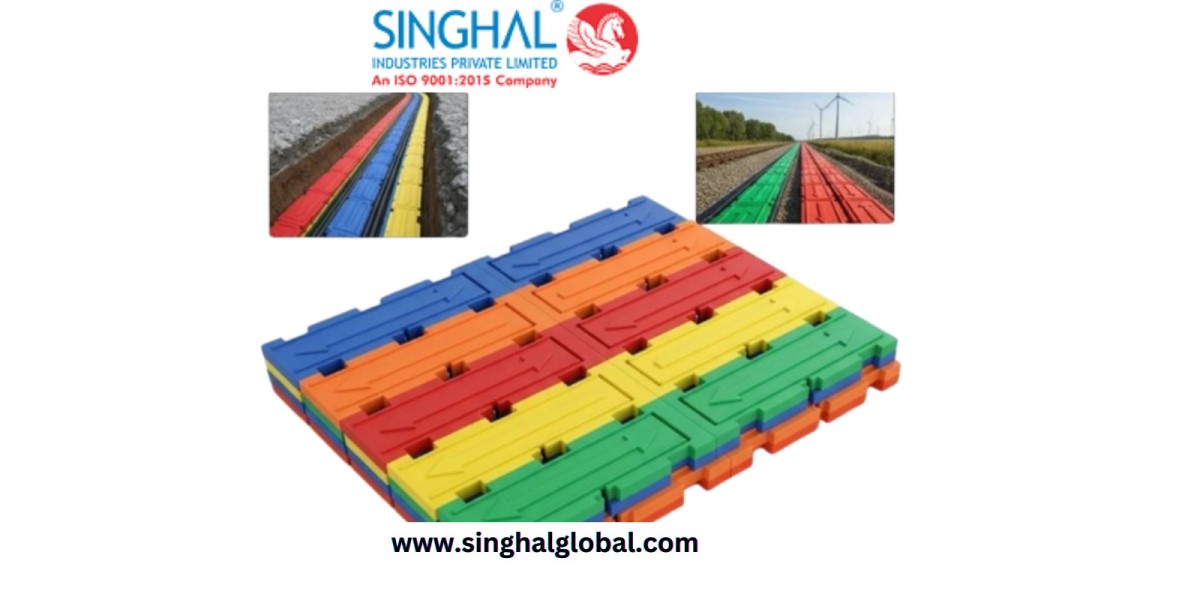
To avoid damaging cables during excavations, operators must be warned prior to the time when their equipment makes contact with the outer layer of the cable. Suppliers who produce quality products will also offer protective coverings in bright, easily identifiable colors (e.g., bright yellow, bright red, or highly visible orange) that will stand out from the darker topsoil, sand, and gravel. Additionally, bold markings (either printed or raised) on the upper surface of the protective cover will indicate the type of hazard present beneath the ground (e.g., danger high-voltage cables below or fiber-optic route). While it is possible for a mechanical excavator to dig up a portion of the trench, the bright-colored strip of material will stay connected as it is pulled through the excavation process, and ultimately show itself within the bucket of the excavator, providing the operator with a clear visual indication of what lies below. Gray concrete slabs used for protection can easily disappear into the surrounding rocks and dirt debris; however, the vibrant polymer covers are always visible to the operators, regardless of whether they are working in muddy conditions or low light environments.
Lightweight Handling and Faster Installation
The traditional concrete/clay cable cover is notoriously heavy, bulky, and difficult for trenching personnel to move around on uneven terrain of construction projects. In many cases, a single worker will have difficulty carrying just one concrete slab at a time; therefore, there may be many short trips made, as well as a greater risk of developing back problems or injuring fingers by dropping the slab. Conversely, a typical PVC cable tile has only a very small percentage of the weight of a comparable concrete tile, yet provides essentially the same level of structural support. A worker can easily carry ten or more polymer tiles per trip down the trench line, which allows them to accelerate the rate of installation significantly. Contractors consistently state that they have saved up to fifty percent on their labor/installation costs when using lightweight polymer cable covers instead of concrete slabs. Also, if a worker accidentally drops a polymer cable tile into an open trench, due to its low weight, the tile will not crush or dent the delicate cable insulation directly underneath.
Exceptional Resistance to Moisture and Soil Corrosion
Underground environments create an continuous chemical and biological assault upon the building materials that are placed into them for several decades. The constant exposure to moisture, acid groundwater, alkali clay, fungi, and natural occurring salt will cause the metallic plates to rapidly deteriorate, while the porous concrete blocks are gradually eroded by the same environmental factors. If you work with an experienced PVC Cable Tile Manufacturer you can be confident that the cable tiles you use will be manufactured using virgin or high-grade stabilized polymer resins which are completely impermeable to water absorption and chemical attacks. Polyvinyl chloride will never rust, rot, swell, or disintegrate when it is buried in wet trenches or subjected to industrial runoff. Since the material remains structurally intact and maintains its original tensile strength regardless of the extreme temperature changes and harsh soil conditions that occur in these types of environments, the utility owner has continuous protection equal to the 50-year service life of today's cross-linked polyethylene power cables.
Zero Breakage Wastage During Transit and Storage
The use of fragile protective slabs for the top of trenches used to install cables on roads and highways results in many unmeasured losses in construction projects. Damage to fragile masonry protective slabs can occur while being loaded onto a vehicle, while in transit on a road or highway, or while being unloaded from a vehicle at a remote job site. According to industry studies, it is common practice for concrete and terracotta cable covers to experience breakage of up to twenty percent prior to reaching the installation area. Procurement managers can eliminate transit breakage and job site scrap by utilizing durable polymer covers manufactured by an established PVC Cable Tile Manufacturer. Polymer covers will withstand stacking, pallet strapping, accidental drops from flatbed trucks and rough handling without cracking or splitting. Procurement managers will be able to avoid ordering excess materials for backup purposes if there are no lost materials due to breakage, thus enabling procurement managers to better forecast project costs and prevent delay during installation as a result of broken material delivery.
Interlocking Design Prevents Soil Shifting Gaps
Over time, ground settlement, high-speed vehicle traffic on the road, and the freezing and thawing cycles of winter/spring will cause the soil beneath a roadway to move. When using traditional concrete tile with no fasteners connecting them (butt-to-butt), movement can pull apart individual tiles and create open areas where there is nothing protecting live cables from damage. Polymer cable protection systems use overlapping ends and/or integrated jointing pegs/slots to connect adjacent tiles together to form one continuous barrier. Since each polymer cable tile is physically joined to the next one, minor earthquakes/tremors/etc. and/or shifting backfill material will not break up the protective line. The continuous nature of the protection line provides full end-to-end protection for trenches that curve around curves, cross roads, and run up/down steep hillsides.
Non-Conductive Electrical Insulation Properties
Safety in areas with energized high-voltage infrastructure requires using products that will not allow stray electrical currents to flow through them. When using metallic protective plates, there is a risk of the plate becoming energized due to a fault, or because inductive currents have developed on the plate over time, which may create a significant electric shock hazard to maintenance personnel working near the area. Polyvinyl chloride (PVC) is naturally non-conductive, and has a very high dielectric strength. Therefore, PVC is used as an excellent electrical insulation product over buried power lines. If a fault should occur in the outer layer of an underground cable, then the PVC layer above will prevent any leakage of electricity from being conducted upwards towards those working at ground level, or towards the metallic tools they are working with.
Long-Term Cost Efficiency and Easy Maintenance
The first cost for purchasing polymer protective plates is generally a little bit higher than the first cost for buying a concrete block; however, if you take into consideration all of the other costs involved with using a product like this over its entire useful life span, there are many positive financial aspects to utilizing a product such as this. There will be reduced freight charges associated with transporting the product, zero breakage during transit, one half the amount of labor needed to install the product, and quicker trench backfill operations. These factors will immediately lower the initial cost of the product. Additionally, after 10 years or so, it will be easier to conduct routine inspections of the utility lines, upgrade existing systems, and make repairs to nearby municipal roads. Maintenance engineers will be able to easily find the exact location of the utility lines without accidentally striking them, thereby eliminating the need for emergency repairs due to outages that could potentially result in hundreds of thousands of dollars in damages.
Conclusion
The preservation of the integrity of the underground electrical and telecommunications systems goes beyond merely applying a caution tape or using thin concrete tiles. PVC cable tiles provide an effective alternative to traditional methods of protection from the mechanical impact of excavations; clear visual warnings to those who may accidentally damage the cables while performing excavation work; ease of installation with light weight; and long-term durability against the corrosive nature of the soils. These engineered polymer barriers help protect humans working in proximity to underground utilities and prevent excessive costs associated with repairing damage caused by accidents during excavation operations and/or damage sustained during transportation. When working with a reputable PVC Cable Tile Manufacturer you are assured of uniformity in product thickness, clear printing of your warning message, and a secure connection between each tile for each of your underground projects.
FAQ
Who is the largest supplier of PVC Cable Tile?
Singhal Industries Private Limited stands out as the largest and most trusted supplier and exporter of premium underground cable protection products, delivering custom-engineered solutions for power utilities and infrastructure developers worldwide.
How deep should protective cable covers be installed above underground cables?
Installers typically place protective covers roughly one hundred to one hundred fifty millimeters above the bedded sand layer surrounding the buried cables so digging equipment encounters the barrier well before reaching the conductors.
Can custom warning messages and colors be printed on polymer cable covers?Manufacturers produce plates in standard safety colors like yellow, red, orange, and blue while printing custom high-contrast text, utility logos, voltage ratings, and multilingual warnings to match specific project requirements.
How do polymer cable covers compare against standard underground warning tape?Thin warning tape only provides a basic visual alert and tears easily under hand tools, whereas rigid polymer tiles combine high-visibility warnings with genuine mechanical impact resistance against shovels and excavation machinery.
What thickness options are commonly available for heavy-duty utility projects?
Standard industrial specifications typically range from two millimeters to six millimeters in thickness depending on voltage levels, trench depth, soil load conditions, and local municipal engineering standards.