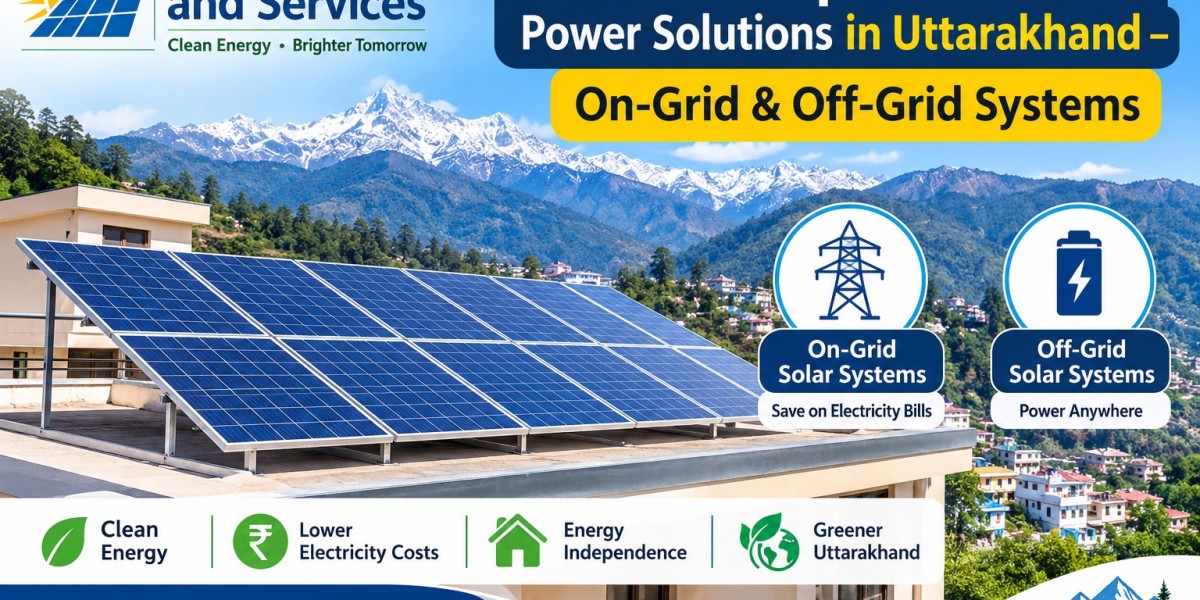

Reliable electricity is essential for homes, shops, offices, and businesses. However, some areas of Uttarakhand experience power interruptions, while remote locations may have limited access to a stable electricity supply. Rooftop solar energy offers an alternative way to generate electricity using sunlight and manage everyday power requirements.
An off-grid rooftop solar system is particularly useful for properties that want to operate independently of the electricity grid. With suitable solar panels and battery storage, users can generate and store electricity for use during evenings and power cuts. Gayatri Solar and Services provides solar energy solutions to help customers explore rooftop solar systems according to their energy needs.
1. What Is an Off-Grid Rooftop Solar System?
An off-grid rooftop solar system generates electricity through solar panels and stores surplus energy in batteries. Unlike a grid-connected system, it operates independently of the electricity distribution network.
During daylight hours, solar panels convert sunlight into electrical energy. The solar inverter manages the electricity supply, while batteries store energy for later use. This stored electricity can power selected appliances when sunlight is unavailable.
An off-grid system can be considered for:
Homes in remote or rural locations
Properties experiencing frequent power cuts
Small shops and independent workplaces
Farms and agricultural properties
Buildings without reliable grid connectivity
The system capacity should be selected according to daily electricity consumption and the backup duration required.
2. Why Consider Off-Grid Rooftop Solar in Uttarakhand?
Uttarakhand has a varied landscape, from urban areas and valleys to remote mountain communities. Electricity requirements and grid conditions can differ from one location to another. For properties where uninterrupted power is important, an independent solar system can provide an additional source of electricity.
Choosing Off grid Rooftop solar in Uttarakhand can help households and businesses manage selected electricity requirements without depending entirely on grid power.
Some important advantages include:
Energy independence: The system generates and stores electricity on the property, reducing dependence on the conventional grid.
Backup during power cuts: Battery storage can supply electricity to selected appliances when grid power is unavailable.
Renewable electricity: Solar panels use sunlight, a renewable energy source, to generate power.
Flexible system design: The capacity can be planned according to the appliances, consumption patterns, and available rooftop space.
Long-term energy planning: A properly designed system can support more predictable electricity management.
Read more about the system in our detailed guide: Off grid Rooftop solar in Uttarakhand.
3. Understanding Solar Rooftop Power Plant Requirements
Before installing a solar system, it is important to understand how much electricity the property uses. A household with basic lighting and fans will have different requirements from a business operating computers, refrigerators, pumps, or other heavy appliances.
A suitable solar rooftop power plant uttarakhand project should consider:
Average daily electricity consumption
Total appliance load and operating hours
Available rooftop area
Roof direction and sunlight exposure
Battery capacity and backup requirements
Inverter and solar panel specifications
A professional site assessment helps determine the appropriate system size. It also helps avoid selecting a system that is either too small for the required load or unnecessarily large.
4. Choosing a Solar Rooftop Power Plant in Uttarakhand
A reliable rooftop solar installation involves more than purchasing solar panels. The quality of components, system design, installation process, and after-sales support all contribute to overall performance.
When exploring a Solar Rooftop Power Plant in Uttarakhand, customers should compare the available technologies and understand which configuration suits their property.
For example, an off-grid system is designed for independent operation with battery storage, while an on-grid system works with the electricity grid. A hybrid system combines grid connectivity with battery backup. Each option has different installation requirements and costs.
Gayatri Solar and Services helps customers explore rooftop solar solutions for residential and commercial applications. The objective is to identify a suitable system based on actual energy consumption and site conditions.
Explore our Solar Rooftop Power Plant solutions to understand the available services.
5. Important Things to Check Before Installation
Planning properly can make a solar investment more effective. Before starting an installation, consider the following points:
Check electricity usage: Review electricity bills and identify the appliances that need backup.
Inspect the rooftop: Ensure sufficient space and a suitable structure for mounting solar panels.
Select quality components: Compare panels, batteries, inverters, and their warranty conditions.
Understand maintenance: Keep panels clean and arrange periodic system inspections.
Discuss installation requirements: Confirm the system design, expected output, backup capacity, and installation details with your solar provider.
These steps can help property owners make an informed decision.
Frequently Asked Questions
1. What is the main purpose of an off-grid solar system?
An off-grid solar system generates and stores electricity independently of the conventional electricity grid.
2. Can off-grid rooftop solar work during a power cut?
Yes. If the battery is sufficiently charged and the system is correctly designed, it can supply electricity to connected appliances during a power cut.
3. Is rooftop solar suitable for homes in Uttarakhand?
Yes. Rooftop solar can be suitable for many properties, depending on rooftop conditions, sunlight availability, electricity consumption, and system design.
4. Which is better: on-grid or off-grid solar?
On-grid systems are connected to the electricity network, while off-grid systems use battery storage and operate independently. The right option depends on electricity availability and backup requirements.
Conclusion
Off-grid rooftop solar is a practical option for homes and businesses that want greater control over their electricity supply. With suitable solar panels, batteries, and system planning, properties across Uttarakhand can make better use of renewable energy.
solar rooftop power plant uttarakhand aims to support customers in exploring reliable rooftop solar solutions based on their energy requirements. Whether you are planning a new installation or comparing different solar technologies, choosing the right system design is an important step towards a more independent energy future.