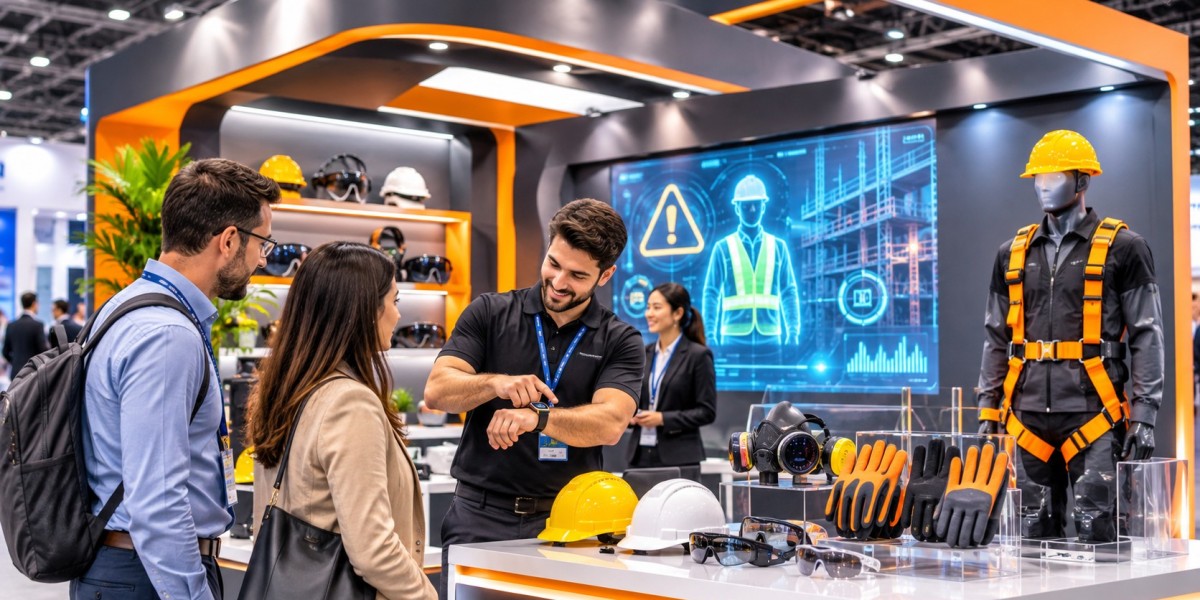

Workplace safety professionals play an important role in helping organizations prevent accidents, manage operational risks, and create healthier working environments. From industrial safety managers and construction supervisors to healthcare administrators and equipment manufacturers, these professionals continuously explore new products and technologies that support employee protection. Industry exhibitions provide an excellent opportunity for businesses to introduce their solutions and connect with decision-makers. However, attracting visitors in a crowded exhibition hall requires more than traditional product displays. Interactive Occupational safety expo exhibits allow companies to create engaging experiences through live demonstrations, digital presentations, product testing, and educational activities. For exhibitors participating in the NSC Safety Congress 2026, an interactive booth strategy can help generate meaningful conversations, increase product awareness, and build valuable industry relationships.
Understanding the Expectations of Safety Professionals
Safety professionals attend exhibitions with specific objectives. Some want to discover advanced protective equipment, while others are interested in workplace monitoring technologies, industrial safety systems, and updated risk management solutions.
They generally look for products that address practical workplace challenges.
An exhibition booth should therefore provide relevant information rather than relying only on promotional messages.
Companies should understand the professional interests of their target audience before developing their display strategy.
For example, construction safety managers may be interested in fall protection systems, while manufacturing professionals may focus on machine safety and environmental monitoring.
Understanding these requirements helps exhibitors create demonstrations and presentations that attract the right visitors.
Why Interactive Exhibits Attract More Attention
Traditional product displays allow visitors to observe equipment, but interactive exhibits encourage them to participate in the experience.
Visitors can explore product features, interact with digital presentations, observe demonstrations, and ask questions directly.
This approach makes the exhibition more informative and memorable.
For example, a company presenting an industrial monitoring system can allow visitors to explore a digital dashboard and understand how the technology works.
A protective equipment manufacturer can organize product demonstrations that explain fitting, maintenance, and correct usage.
Interactive activities create opportunities for direct communication between exhibitors and potential customers.
Creating a Strong First Impression
The first impression of an exhibition booth can influence whether visitors decide to explore it.
A professional structure, recognizable branding, clear signage, and attractive product displays can make a company more noticeable.
Businesses should develop a visual concept that communicates their main area of expertise.
For instance, a company specializing in industrial protection can use workplace-related graphics and dedicated product display sections.
The booth should also have an accessible entrance and a layout that encourages visitors to approach.
A strong first impression should communicate professionalism while making the company's products easy to discover.
Organizing Live Product Demonstrations
Live demonstrations are one of the most effective ways to introduce workplace safety products.
They allow visitors to understand product functionality and observe how specific solutions can be used in practical situations.
Companies can organize demonstrations for protective equipment, industrial sensors, emergency response products, and monitoring technologies.
For example, a manufacturer of safety footwear can explain important product features and demonstrate construction differences between models.
A provider of industrial monitoring equipment can present how sensors collect information and display relevant alerts.
Every demonstration should have a clear purpose and be conducted by trained representatives.
Exhibitors must also follow suitable safety precautions and venue requirements.
Using Virtual Reality for Workplace Safety Experiences
Virtual reality offers an engaging way to introduce visitors to simulated workplace environments.
Companies can use VR experiences to demonstrate potential workplace hazards and explain the importance of preventive safety measures.
For example, visitors may explore a simulated industrial facility and identify potential risks in different areas.
A construction equipment company could use a virtual environment to explain the importance of fall prevention and protective equipment.
These experiences can make complex safety concepts easier to understand.
However, VR activities should be short, relevant, and accessible to visitors who may have limited time at the exhibition.
The technology should support educational objectives rather than become a distraction.
Introducing Augmented Reality Product Demonstrations
Augmented reality can help exhibitors present product information through digital elements layered over physical objects or environments.
For example, visitors could use a compatible device to explore different components of a protective helmet or understand how a safety system is assembled.
An AR presentation could also explain equipment features that are not easily visible during a normal product demonstration.
This approach is particularly useful for companies presenting technical products with multiple components.
Augmented reality can improve product understanding while creating a distinctive exhibition experience.
Making Touchscreen Displays More Useful
Touchscreen displays allow visitors to explore information independently.
Companies can organize product catalogs, technical specifications, application examples, and educational presentations within an interactive interface.
For instance, a visitor interested in industrial monitoring can select a particular product category and explore its features.
A manufacturer of personal protective equipment can provide digital comparisons between different product models.
Touchscreen content should be simple to navigate and organized around common visitor questions.
Clear instructions can help attendees use the display without requiring continuous assistance from booth staff.
Showcasing Personal Protective Equipment Through Hands-On Experiences
Personal protective equipment is one of the most important categories at workplace safety exhibitions.
Helmets, gloves, protective eyewear, respirators, safety footwear, and high-visibility clothing are widely used across different industries.
Companies can make these products more engaging through organized demonstration stations.
Visitors may be invited to examine materials, compare product designs, and learn about appropriate equipment selection.
Mannequins can demonstrate complete protective equipment combinations for specific workplace applications.
Where practical, trained representatives can explain fitting and maintenance procedures.
Hands-on experiences should always follow product instructions and appropriate hygiene and safety requirements.
Creating Interactive Safety Education Zones
Educational zones can attract safety professionals who want to learn about workplace risk prevention and industry practices.
Companies can develop short presentations covering hazard identification, equipment maintenance, emergency preparedness, and employee protection.
Interactive quizzes can help visitors test their knowledge of basic workplace safety concepts.
Digital diagrams can explain how safety procedures are implemented in different environments.
These activities provide educational value while creating opportunities for exhibitors to introduce relevant products and services.
The content should remain accurate and should not replace formal professional training or site-specific safety assessments.
Demonstrating Smart Safety Technologies
Technology is changing how organizations monitor workplace conditions and manage safety operations.
Wearable sensors, smart helmets, environmental monitoring devices, connected equipment, and digital safety platforms are examples of solutions attracting industry interest.
Companies can use interactive displays to explain how these technologies work.
For example, a wearable device demonstration may show how selected workplace conditions can be monitored.
A digital monitoring platform can demonstrate how information is presented through dashboards and reports.
Exhibitors should explain the practical applications and limitations of these solutions so visitors can understand their relevance.
Designing Booth Spaces Around Visitor Interaction
An interactive exhibition requires a layout that supports participation.
Businesses should create dedicated spaces for demonstrations, digital activities, product displays, and professional discussions.
The demonstration zone should provide sufficient space for visitors to observe activities comfortably.
Digital screens should be positioned for convenient viewing, while product stations should remain accessible.
A separate consultation area can support conversations with potential clients and business partners.
The layout should allow visitors to move naturally between different activities without creating congestion.
Using Creative Graphics to Communicate Safety Messages
Visual communication can make an exhibition booth more engaging.
Companies can use photographs, illustrations, diagrams, and infographics to explain workplace risks and demonstrate the role of protective products.
For example, a graphic may show how different protective equipment is used in a manufacturing environment.
Another display could explain the stages of workplace hazard identification.
Large headlines and simple supporting messages can communicate important information quickly.
Visuals should be professional, accurate, and consistent with the company's brand identity.
Training Booth Staff to Encourage Participation
Booth staff are responsible for guiding visitors through interactive activities and explaining the company's offerings.
They should understand the products, demonstration procedures, and key features of the technologies being presented.
Staff members should welcome visitors, ask relevant questions, and identify their professional interests.
Instead of delivering lengthy presentations, they should encourage visitors to explore the booth and participate in demonstrations.
A knowledgeable representative can explain how a particular product addresses a workplace challenge and answer technical questions accurately.
Staff training should also cover lead collection, visitor management, and appropriate safety procedures.
Offering Educational Presentations and Short Sessions
Short educational presentations can attract visitors who want practical information about workplace protection.
Companies can schedule brief sessions covering topics such as equipment selection, industrial monitoring, emergency preparedness, and safety technology.
A presentation should focus on one subject and provide information that visitors can apply to their professional responsibilities.
Demonstration-led presentations are particularly useful because they combine explanation with practical examples.
Exhibitors can announce presentation schedules through booth signage and digital displays.
These sessions create additional reasons for visitors to stop at the booth and spend time learning about the company's expertise.
Using QR Codes to Extend Visitor Engagement
QR codes provide a simple way to connect physical exhibition displays with digital information.
Visitors can scan codes to access product catalogs, technical documents, demonstration videos, and company contact details.
Businesses can also use QR codes for event registration, appointment requests, and lead collection.
Each code should direct visitors to relevant information rather than a general page that requires unnecessary navigation.
Companies should ensure that linked content is mobile-friendly and updated before the exhibition begins.
Digital access allows visitors to review product information even after leaving the booth.
Making the Exhibition Environment Comfortable
Visitor comfort is an important part of an engaging exhibition experience.
Businesses should provide sufficient space for movement, accessible product displays, suitable lighting, and comfortable discussion areas.
Interactive stations should not block entrances or create congestion.
Companies should also consider the placement of seating and digital screens.
A welcoming environment encourages visitors to explore products and participate in demonstrations without feeling rushed.
Accessibility should remain a priority throughout the booth design process.
Choosing the Right Exhibition Booth Builder
Interactive booth concepts require proper technical planning and professional execution.
Businesses need a booth-building partner who understands exhibition structures, display requirements, lighting, electrical arrangements, digital integration, and installation schedules.
When selecting a builder, companies should review previous projects, customization capabilities, construction quality, and experience with interactive exhibition environments.
It is also important to discuss production timelines, venue guidelines, transportation, and dismantling requirements.
For organizations preparing for the NSC Safety Congress 2026, comparing suitable exhibition partners can help identify solutions that match their brand and technical requirements.
Companies can explore potential partners through Exhibitorly's NSC Safety Congress booth builder directory.
Preparing an Effective Pre-Show Promotion Strategy
Attracting visitors should begin before the exhibition opens.
Businesses can announce their participation through email campaigns, professional social media platforms, company websites, and industry networks.
They can share information about planned demonstrations, new products, and educational presentations.
Providing booth details and encouraging visitors to schedule meetings can also support better event preparation.
A coordinated promotional strategy helps companies reach relevant professionals before they enter the exhibition hall.
Generating Quality Leads Through Interactive Activities
Interactive demonstrations create natural opportunities to understand visitor interests.
Companies can collect relevant information through digital forms, QR codes, business cards, and scheduled consultations.
However, lead generation should focus on quality rather than simply collecting large numbers of contacts.
Representatives should identify visitors' industries, product requirements, and potential purchasing interests.
After the exhibition, businesses can use this information to send relevant product details, arrange meetings, and continue discussions.
A structured follow-up process helps convert meaningful exhibition interactions into potential business opportunities.
Preparing for the NSC Safety Congress 2026
Preparing for the NSC Safety Congress 2026 requires a coordinated approach to booth design, product selection, demonstrations, and visitor engagement.
Businesses should identify their primary exhibition objectives and determine which products deserve the most attention.
The booth concept should support these objectives through appropriate product displays, interactive technology, educational materials, and meeting spaces.
Companies should also prepare demonstration equipment, promotional materials, trained representatives, and digital presentations.
Advance planning for installation, transportation, and venue regulations can help avoid last-minute challenges.
Measuring the Success of Interactive Exhibition Activities
Companies should evaluate whether their interactive booth activities achieved their intended objectives.
Useful measurements include demonstration participation, visitor engagement, qualified leads, scheduled meetings, product inquiries, and feedback.
Businesses can compare the performance of different activities to identify which experiences attracted the most relevant visitors.
For example, a product demonstration may generate more meaningful conversations than a general promotional video.
These insights can help exhibitors improve their future booth designs and engagement strategies.
Common Mistakes to Avoid With Interactive Exhibits
Interactive technology can improve an exhibition experience, but poor planning can reduce its effectiveness.
Using too many digital activities may overwhelm visitors and make the booth difficult to navigate.
Complicated interfaces can discourage participation, while poorly prepared demonstrations may create confusion.
Businesses should also avoid introducing activities that have little connection with their products or audience.
Every interactive feature should provide a clear purpose, useful information, or a practical product experience.
A focused approach creates a more professional and valuable exhibition environment.
The Future of Interactive Occupational Safety Exhibitions
The future of workplace safety exhibitions will likely include more immersive demonstrations, connected products, digital learning environments, and interactive technology.
Companies may increasingly use virtual simulations, smart equipment displays, and data-driven presentations to explain their solutions.
At the same time, visitors will continue to value knowledgeable representatives and practical product information.
Businesses that combine digital innovation with useful demonstrations and professional communication can create stronger exhibition experiences.
Conclusion
Attracting safety professionals at industry exhibitions requires a thoughtful combination of interactive technology, practical demonstrations, informative content, and professional booth design. Companies should focus on creating experiences that help visitors understand workplace protection products and discover solutions relevant to their industries. From hands-on equipment displays to virtual demonstrations and educational presentations, every activity should support meaningful engagement. Investing in professionally planned Occupational safety expo exhibits can help businesses strengthen their brand visibility, connect with relevant industry professionals, and present their innovations effectively at the NSC Safety Congress 2026.