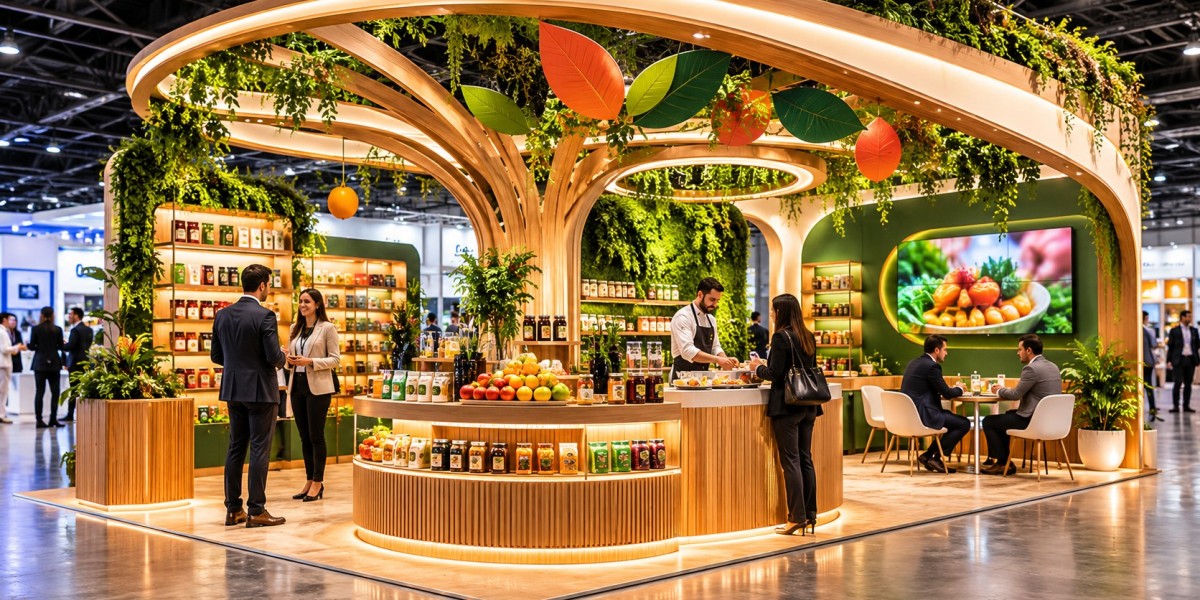

Food trade shows bring together manufacturers, distributors, retailers, wholesalers, importers, and industry professionals looking for new products and business opportunities. For food brands, attracting the right visitors is often more important than simply generating high foot traffic. A strategic Food industry trade show booth design can help businesses present their products professionally, communicate their commercial strengths, and encourage meaningful conversations with potential buyers. By combining clear branding, organised product displays, sampling opportunities, and dedicated business meeting areas, companies can create an exhibition space that appeals to distributors and retail buyers.
1. Understand the Needs of Distributors and Retail Buyers
Before planning a booth, businesses should understand what their target visitors expect from a potential supplier. Distributors and retail buyers generally evaluate products based on quality, pricing, packaging, supply capacity, market demand, and commercial suitability.
A distributor may be interested in product availability, logistics, wholesale pricing, and regional distribution opportunities. A retail buyer may focus more on packaging, shelf appeal, product differentiation, margins, and consumer demand.
The booth should communicate information that addresses these priorities. When visitors can quickly understand how a product fits their business, they are more likely to begin a serious conversation.
2. Create a Strong First Impression
First impressions influence whether visitors decide to approach an exhibition stand. A professional and visually attractive booth can make a food brand appear more established and trustworthy.
Use a recognisable logo, consistent brand colours, high-quality graphics, and an organised structure. The company name should be visible from a distance, while the main product categories should be easy to identify.
Avoid unnecessary decorative elements that distract visitors from the products. A clean design with a clear visual hierarchy makes the booth easier to understand and more appealing to business visitors.
3. Highlight Products That Match Buyer Requirements
Displaying every available product may not always be the best approach. Instead, select products that are most relevant to the buyers attending the exhibition.
For example, a manufacturer targeting supermarket chains may highlight retail-ready packaging and popular product varieties. A supplier approaching food distributors may focus on products with scalable supply potential and different packaging sizes.
Organise displays according to product categories, target markets, or applications. Make important products easy to access and provide concise descriptions that explain their key features.
A focused display helps visitors understand the company's offering without feeling overwhelmed.
4. Design a Dedicated Business Meeting Area
Distributors and retail buyers often need more than a quick product introduction. They may want to discuss pricing, order quantities, supply agreements, distribution territories, and product specifications.
A dedicated meeting area makes these conversations easier. Depending on the booth size, it can include a small table, comfortable chairs, and a screen for presenting catalogues or business information.
Position the meeting area away from crowded entrances and busy sampling counters. This creates a more comfortable environment for discussing commercial details and building professional relationships.
5. Make Product Sampling Convenient
Sampling can help food brands demonstrate product quality directly to potential buyers. It gives visitors an opportunity to experience flavour, texture, aroma, and overall presentation.
Create a dedicated sampling counter with enough space for product preparation and serving. Keep the area clean, organised, and accessible without interrupting the movement of other visitors.
Staff should be prepared to explain product ingredients, packaging options, storage requirements, and relevant product information. Where applicable, provide clear allergen details and follow the venue's food safety requirements.
A well-managed sampling experience can make product discussions more engaging and memorable.
6. Communicate Your Commercial Advantages
Distributors and retailers need to understand why they should consider working with a particular food supplier. Product quality is important, but commercial advantages also influence purchasing decisions.
Highlight relevant strengths such as manufacturing capacity, product variety, packaging flexibility, private-label capabilities, distribution experience, or quality management processes.
Use concise display messages instead of lengthy paragraphs. Staff can provide detailed explanations during discussions.
Make sure every claim is accurate and supported by appropriate information. Clear communication helps buyers evaluate the business with greater confidence.
7. Use Professional Product Packaging Displays
Retail buyers pay close attention to packaging because it influences how products appear on store shelves. Packaging can affect product recognition, customer convenience, storage, and purchasing decisions.
Display products in their actual retail packaging wherever possible. Arrange different sizes and varieties neatly so buyers can compare them easily.
If a company offers different packaging formats, create a separate section to explain the options. Include relevant information about packaging dimensions, materials, shelf presentation, and available customisation.
A professional packaging display helps retail buyers imagine how the products could fit into their existing product ranges.
8. Make Pricing and Product Information Accessible
Buyers often want to understand the basic commercial details before deciding whether to continue a conversation.
Prepare product catalogues, specification sheets, and relevant commercial information for interested visitors. Depending on the company's sales process, this may include indicative pricing, minimum order quantities, packaging details, and distribution arrangements.
Not every detail needs to be displayed publicly. Sensitive pricing information can be shared during private meetings.
Digital catalogues and QR codes can also help visitors access product information conveniently. Ensure the materials are updated and easy to read.
9. Use Digital Screens to Present Your Capabilities
Digital screens can help food manufacturers explain their products and business operations in an engaging way.
Use short videos to show production facilities, packaging processes, product applications, quality checks, and supply capabilities. A digital catalogue can also display product categories that cannot all fit within the physical booth.
For distributors, videos about manufacturing capacity and logistics may be useful. Retail buyers may be more interested in product applications, packaging, and consumer-facing features.
Keep the content relevant and visually clear. Avoid playing lengthy videos that visitors may not have time to watch.
10. Keep the Booth Open and Easy to Navigate
An open booth layout makes it easier for visitors to enter, explore products, and speak with staff.
Avoid placing large counters or furniture directly at the entrance. Maintain clear pathways between display sections and meeting areas.
Use vertical structures and wall-mounted displays to save floor space. Place high-priority products where visitors can see them immediately.
A practical layout encourages visitors to explore without feeling restricted. It also helps staff manage conversations and sampling activities more effectively.
11. Train Staff to Identify Serious Buyers
Not every exhibition visitor has the same level of purchasing interest. Some may be exploring the market, while others may be actively looking for new suppliers.
Staff should be trained to ask useful questions about visitor requirements, business type, target market, product interests, and expected purchasing needs.
For example, a representative might ask whether a visitor is looking for retail products, wholesale supply, private-label manufacturing, or regional distribution.
These conversations help identify qualified prospects and allow staff to provide more relevant information. The objective should be to build relationships rather than pressure visitors into immediate decisions.
12. Highlight Manufacturing and Supply Capabilities
Distributors and large retail buyers often need confidence that a supplier can fulfil orders consistently.
If relevant, use the booth to communicate manufacturing facilities, production capacity, quality management processes, storage capabilities, and supply coverage.
Photographs, short videos, and concise information panels can help explain these capabilities. Staff should also be prepared to answer questions about lead times, production schedules, and order fulfilment.
Avoid making unsupported claims about capacity or certifications. Accurate information creates a stronger foundation for future business discussions.
13. Present Quality Standards and Certifications Clearly
Quality assurance can be an important factor when buyers evaluate food suppliers. Businesses should make relevant certifications, testing processes, and quality management information easy to understand.
Display valid certifications only when they apply to the products or facilities being presented. Use professional graphics to highlight relevant quality processes without overcrowding the booth.
Staff should be able to explain the scope of each certification and provide supporting documents when requested.
Clear quality information can help buyers understand how the company manages product consistency and compliance requirements.
14. Include Private-Label and Customisation Information
Many distributors and retailers explore private-label opportunities to develop products under their own brand names.
Food manufacturers offering private-label services should highlight this capability in a dedicated section. Explain available product categories, packaging options, customisation possibilities, and the general development process.
Use sample packaging or product mock-ups to demonstrate how different branding approaches could look.
Be prepared to discuss minimum production quantities, development timelines, ingredient requirements, and packaging specifications. Clear information helps potential partners determine whether the manufacturer can support their business model.
15. Use Lighting to Improve Product Visibility
Good lighting helps products and brand graphics stand out. It also creates a welcoming atmosphere that encourages visitors to explore the booth.
Use general lighting for the overall structure and focused lighting for important product displays. Illuminated shelves and counters can make packaging more noticeable.
Choose lighting that presents product colours naturally. Avoid excessive brightness or coloured effects that distort the appearance of food products.
A balanced lighting plan supports both product presentation and comfortable business conversations.
16. Offer a Clear Way to Request Samples and Information
Some buyers may not be ready to discuss a purchase immediately but may want samples or additional product information after the exhibition.
Provide a simple process for requesting samples, catalogues, quotations, or follow-up meetings. This could include a QR code, digital enquiry form, or staff-assisted registration.
Collect only relevant information and explain how it will be used. Record the visitor's product interests and business requirements so the sales team can provide a useful follow-up.
An organised enquiry process ensures that promising conversations do not end when the exhibition closes.
17. Create a Professional and Consistent Visual Experience
Every element of the booth should support the same brand message. Product displays, graphics, furniture, lighting, promotional materials, and staff presentation should feel consistent.
For example, a premium food brand may choose an elegant design with refined materials and carefully arranged product displays. A natural food company may prefer a simpler visual style that reflects its genuine product positioning.
Consistency makes the booth appear more professional and helps visitors remember the company.
18. Plan Lead Collection and Post-Show Follow-Up
Attracting potential buyers is only the first step. Businesses should have a clear plan for recording enquiries and maintaining communication after the event.
Use a digital lead management system or structured enquiry forms to capture visitor details. Categorise leads according to their interest, purchasing potential, business type, and follow-up requirements.
After the exhibition, send relevant product information, answer pending questions, and arrange meetings with qualified prospects.
Timely and personalised follow-up helps transform exhibition conversations into long-term business relationships.
19. Choose Booth Materials That Support Reuse
Exhibiting regularly can involve significant design, production, and logistics costs. Reusable booth structures can help businesses maintain a consistent brand appearance across multiple events.
Consider modular display systems, durable counters, reusable shelving, and replaceable graphic panels. These options can make it easier to update product information without rebuilding the entire stand.
Material selection should also consider transport, installation time, durability, and maintenance.
A practical booth structure can support repeated participation while keeping the exhibition environment professional.
20. Work With an Experienced Exhibition Booth Builder
A strong exhibition concept needs professional execution. Food companies should select a booth builder who understands product presentation, visitor movement, sampling requirements, electrical planning, and exhibition installation.
Review previous projects to evaluate design quality and practical experience. Discuss the booth's dimensions, product display requirements, meeting areas, storage, lighting, and digital elements before approving the final design.
Clear communication about budgets, timelines, fabrication, transportation, installation, and dismantling can help prevent avoidable problems.
Businesses can explore suitable partners through Food industry trade show booth design resources to compare exhibition booth builders and identify a partner aligned with their requirements.
Conclusion
Designing a food trade show booth that attracts distributors and retail buyers requires more than an attractive exhibition structure. It requires a clear understanding of buyer expectations, organised product presentation, useful business information, professional sampling facilities, and comfortable meeting spaces.
Brands should focus on communicating product value, manufacturing capabilities, packaging options, quality standards, and commercial opportunities. A well-trained team and a structured lead collection process can further improve the results of exhibition participation.
With careful planning and professional execution, Food industry trade show booth design can help food businesses attract relevant buyers, build stronger industry relationships, and create opportunities for future distribution and retail partnerships.