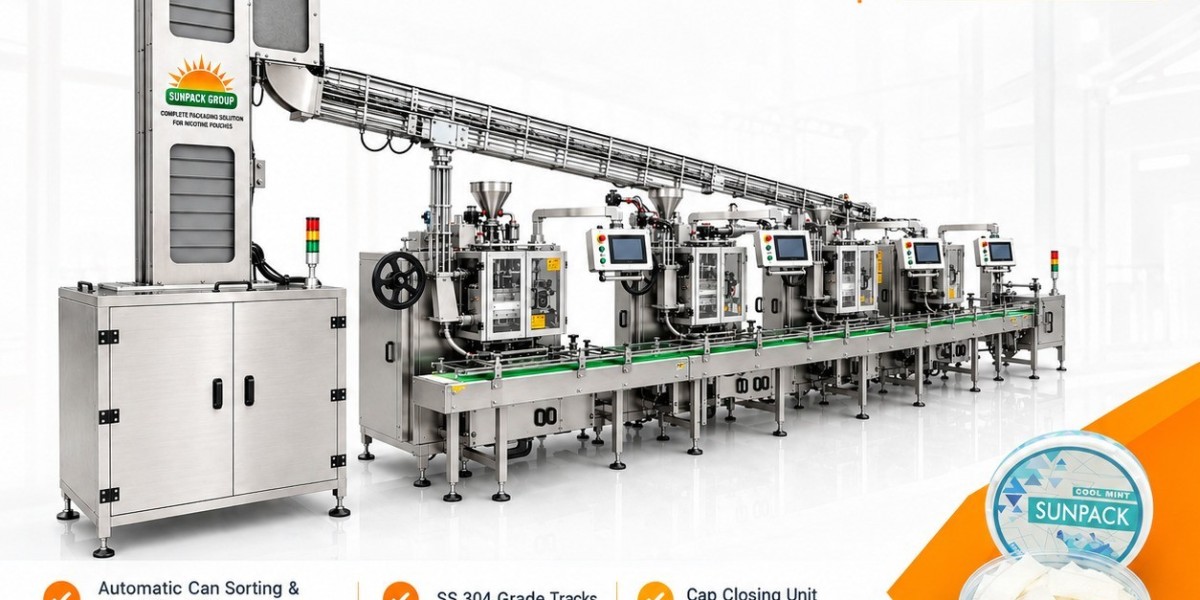

A packaging line can maintain a high production speed and still allow defective packs to reach the finished-goods area if inspection is not planned properly. Filling variations, weak seals, incorrect batch codes, damaged packaging, and foreign material contamination can all affect product quality. The challenge is to identify defects at the right stage without creating unnecessary production delays. Businesses evaluating equipment from experienced Automatic Packing Machine Manufacturers should therefore consider inspection requirements alongside machine capacity and packaging speed. A well-planned inspection system helps manufacturers detect problems early, reduce rejected products, and maintain consistent packaging standards throughout production.
Understand the Risks at Each Packaging Stage
Not every packaging defect develops at the same point in the production process. Some problems originate during product feeding, while others appear during filling, sealing, coding, or final handling.
For example, inconsistent product flow may cause variations in filling weight. Incorrect film alignment can affect pouch formation, while unsuitable sealing conditions may result in leakage or weak seals. If these problems are detected only after a large production quantity has been completed, the amount of rejected material can increase considerably.
Start by mapping the packaging process from product entry to finished-pack collection. At each stage, identify what could go wrong, how frequently the issue occurs, and what inspection method would detect it most effectively.
Inspect Product Quality Before Filling
Product inspection should begin before the material enters the packaging machine. Differences in particle size, moisture, temperature, viscosity, or product consistency can influence filling performance.
For powder products, lumps or unwanted foreign particles may affect feeding and dosing. Granular products may require checks for inconsistent particle size or contamination. Liquid products may need suitable checks for appearance, temperature, or viscosity, depending on the application.
These checks help identify problems before they influence the packaging process. They also reduce the likelihood of repeatedly adjusting machine settings to compensate for product-related variations.
Monitor Filling Accuracy During Production
Filling accuracy is one of the most important inspection areas, particularly for products sold in standard pack sizes. Underfilling can create compliance and customer concerns, while excessive filling increases product giveaway and operating costs.
The appropriate inspection method depends on the product and machine configuration. Checkweighers can measure the weight of finished packs, while other applications may require calibrated weighing systems or volume-based verification.
Inspection frequency should reflect production speed, product characteristics, and the risk associated with filling variations. Do not rely entirely on occasional manual checks when production conditions can change between inspections.
For businesses considering a Fully Automatic Packing Machine, it is worth evaluating how filling controls, weighing arrangements, and inspection equipment can work together. Automation can support consistent operations, but inspection procedures remain necessary to verify actual production results.
Give Special Attention to Sealing Quality
A pack may have the correct weight and appearance but still fail because of an improper seal. This is particularly important for products that require protection from moisture, air, leakage, or external contamination.
Common sealing defects include:
Weak or incomplete seals.
Wrinkles or folds across the sealing area.
Product particles trapped between sealing surfaces.
Uneven sealing caused by temperature or pressure variations.
Leakage around the pouch edges.
Visual inspection is useful for identifying obvious defects, but some applications require additional testing. Depending on the packaging material and product requirements, manufacturers may use seal-strength tests, leak tests, or other suitable verification methods.
The inspection process should also consider changes in film type, machine speed, and sealing settings, as these factors can influence seal performance.
Verify Coding and Batch Information
Incorrect or missing batch information can create serious problems during distribution and product traceability. Every pack that requires a manufacturing date, expiry date, batch number, or other identification details should be checked according to the applicable product and regulatory requirements.
Inspection should confirm that the printed information is readable, correctly positioned, and consistent with the production record. Where coding systems are integrated with the packaging line, operators should verify the settings before starting a new batch or changing products.
Barcode or vision inspection systems may be useful where accurate product identification and automated verification are required. However, the inspection method should be selected according to the information being checked and the level of accuracy needed.
Position Inspection Equipment Without Slowing Production
Inspection systems must fit naturally into the packaging workflow. Poor placement can create unnecessary product movement, handling delays, or accumulation of finished packs.
For example, a checkweigher may be positioned after sealing so that it can assess the completed pack. A vision inspection system may be installed near the coding stage to check printed information before products move further along the line.
When planning inspection points, consider available space, conveyor speed, pack dimensions, accessibility, and the time required to remove rejected products. Rejection arrangements should also be reliable enough to prevent defective packs from continuing into the next stage.
Smaller production facilities using a Semi Automatic Packing Machine may depend more heavily on operator-led inspections. In such cases, clearly defined sampling frequencies and inspection records become especially important.
Maintain Inspection Records and Review Defect Trends
Inspection is useful only when its findings lead to corrective action. Record the type of defect, the production batch, the time it occurred, the affected machine stage, and the action taken.
Review these records regularly to identify recurring problems. If seal defects increase after a film change, the material or sealing settings may need further evaluation. If filling variations appear during longer production runs, product feeding or machine calibration may require attention.
This approach helps manufacturers move from reacting to defects towards preventing their recurrence.
Conclusion
Choosing the right inspection points requires an understanding of the complete packaging process, from incoming product checks to final pack verification. Filling accuracy, sealing integrity, coding, and finished-pack quality should all receive attention according to the product's requirements and potential risks. Manufacturers should also ensure that inspection equipment fits the production layout without creating unnecessary bottlenecks. When evaluating packaging machinery, consider inspection compatibility, operating flexibility, maintenance requirements, and long-term production needs alongside purchase costs. Comparing options such as 1 kg Automatic Packing Machine Price in India can be one part of a broader decision about selecting equipment that supports both production efficiency and consistent packaging quality.