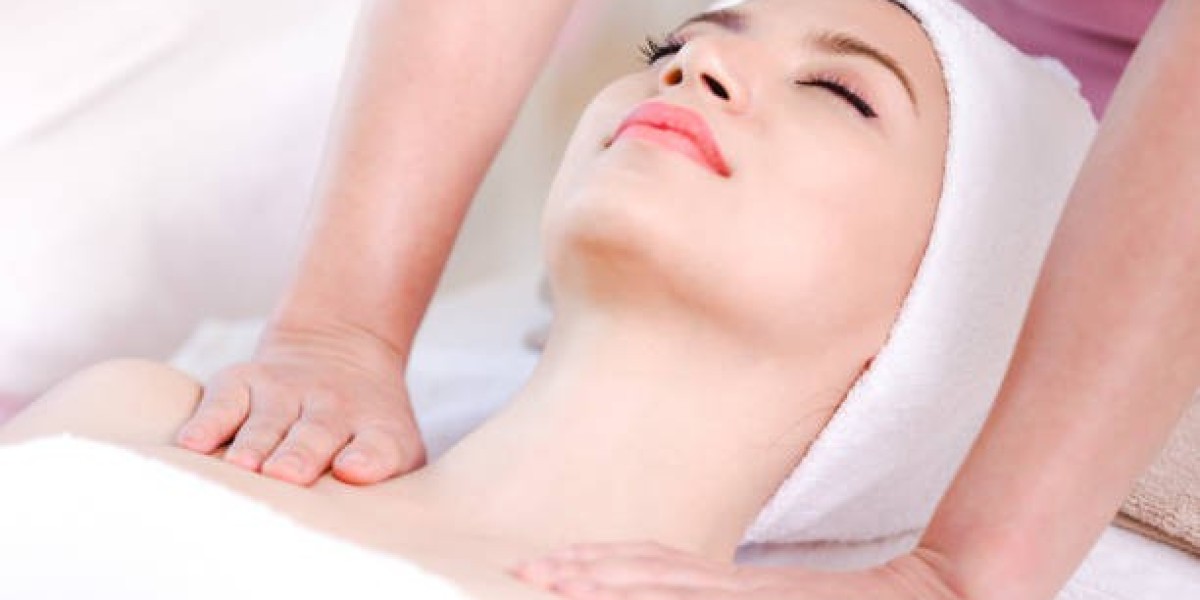

Facial puffiness is a common concern that can make the face appear swollen, tired, or less defined. It may be more noticeable around the eyes, cheeks, and jawline, particularly after waking up. Changes in fluid balance, sleep habits, dietary factors, allergies, and other health-related conditions can contribute to facial swelling. For people looking for a gentle approach to managing certain types of puffiness, Lymphatic massage (مساج لمفاوي) in Riyadh has become an option worth understanding.
The lymphatic system helps maintain fluid balance by collecting excess fluid from body tissues and returning it to the bloodstream. When fluid movement is affected, temporary swelling may develop in some areas. Facial lymphatic massage uses gentle movements intended to support lymph fluid movement through superficial pathways. Although it may help reduce certain types of mild facial swelling, results vary, and it does not address every cause of puffiness.
What Is Facial Lymphatic Massage?
Understanding the Technique
Facial lymphatic massage, also known as facial manual lymphatic drainage, is a gentle technique that uses light, controlled movements on the skin. Unlike traditional facial massage, which may involve more pressure or focus on muscle relaxation, lymphatic drainage follows specific pathways to encourage the movement of lymph fluid.
The technique generally involves slow, rhythmic movements around selected areas of the face and neck. Because lymphatic vessels are close to the skin's surface, excessive pressure is unnecessary. A trained practitioner should adapt the movements to the individual's needs and avoid areas that are irritated, injured, or medically unsuitable for treatment.
How It Differs from a Regular Facial Massage
A regular facial massage may focus on relaxation, skincare application, or temporary muscle tension. Facial lymphatic drainage has a different purpose: supporting lymphatic fluid movement. It is not designed to reshape facial bones, remove fat, or permanently change facial contours.
Why Facial Lymphatic Massage Is Popular for Puffiness
Helping Manage Mild Fluid-Related Swelling
One reason facial lymphatic massage attracts attention is its potential role in managing certain types of mild swelling. When puffiness is related to fluid accumulation, appropriately performed drainage techniques may help move excess fluid through the lymphatic pathways.
However, facial puffiness can have several causes. Allergies, sinus conditions, infections, dental problems, medication effects, and other medical issues may also contribute. Massage should not be used as a substitute for identifying and treating the underlying cause.
Creating a Relaxing Skincare Experience
The gentle movements used during facial lymphatic massage can make the session feel calming. Some people enjoy incorporating it into a broader self-care routine because it offers a light-touch experience without the intensity of deep facial manipulation.
Relaxation may improve the overall treatment experience, but it should not be confused with a guaranteed improvement in skin health or a medical benefit.
Supporting a Refreshed Appearance
When mild puffiness is related to temporary fluid accumulation, reducing that swelling may make the face appear less swollen. This can create a refreshed appearance for some individuals. The effect is not permanent, and facial lymphatic massage does not remove facial fat or provide lasting lifting results.
Factors That Influence the Results
The Cause of Facial Puffiness
Understanding why the face appears puffy is essential before choosing a treatment. Temporary morning puffiness may differ from swelling caused by allergies, inflammation, or a medical condition. If swelling is persistent, painful, sudden, or unexplained, medical assessment is more appropriate than attempting to manage it through massage.
Technique and Practitioner Experience
The technique used during a session can influence comfort and suitability. A practitioner with appropriate training should understand facial lymphatic pathways, use gentle pressure, and adjust movements according to the person's needs. Strong pressure or aggressive rubbing is not necessary for lymphatic drainage and may irritate sensitive skin.
Skin Sensitivity and Individual Needs
People with sensitive, irritated, or recently treated skin may need additional precautions. Active skin infections, open wounds, or certain medical conditions may make facial massage unsuitable. Anyone who has recently undergone a facial procedure should obtain approval from their treating clinician before starting massage.
What to Expect During a Facial Lymphatic Massage Session
A professional session generally begins with a discussion of your concerns, skin condition, and relevant health history. The practitioner should explain the technique and identify areas that need special attention or should be avoided. This helps establish whether facial lymphatic drainage is appropriate.
During treatment, gentle movements are applied to selected areas of the face and neck. The pressure should remain light and comfortable. The duration and frequency of sessions depend on individual needs, and there is no guarantee that every person will notice a visible change.
Everyday Habits That May Help Manage Facial Puffiness
Daily habits can influence temporary facial puffiness. Maintaining a consistent sleep routine, drinking enough water, following a balanced diet, and managing known allergy triggers may support general well-being. Avoiding prolonged pressure on the face while sleeping may also help some people who experience morning puffiness.
If swelling is linked to an allergy or another medical condition, appropriate treatment of that cause is important. Facial massage cannot treat sinus infections, nasal congestion, or other underlying medical problems.
When Should Facial Swelling Be Checked?
Mild, temporary puffiness may not require medical attention, but new or persistent swelling deserves assessment. Sudden facial swelling, particularly when accompanied by breathing difficulty, swelling of the lips or tongue, or throat tightness, requires emergency medical care. Pain, fever, redness, or swelling around the eye should also be assessed promptly.
People with diagnosed lymphatic conditions or relevant heart, kidney, or other medical concerns should consult a healthcare professional before considering lymphatic massage.
Explore Facial Care Options at Royal Clinic Saudi
Understanding the cause of facial puffiness is the first step toward choosing an appropriate approach. Royal Clinic Saudi (عيادات رويال كلينك) offers an opportunity to discuss relevant wellness and aesthetic treatment options through professional consultation. If you are considering Lymphatic massage in Riyadh, a personalised assessment can help determine whether facial drainage is suitable for your concerns and whether additional medical guidance is needed. Choosing an appropriate technique and maintaining realistic expectations can help support a comfortable treatment experience.
FAQs:
1. Can facial lymphatic massage reduce puffiness?
It may help manage mild puffiness related to fluid accumulation, but it does not address every cause of facial swelling.
2. Does facial lymphatic massage hurt?
It should generally feel gentle and comfortable, using light pressure rather than forceful movements.
3. How long do the effects of facial lymphatic massage last?
Any visible reduction in fluid-related puffiness may be temporary and varies between individuals.
4. Is facial lymphatic massage suitable for sensitive skin?
It may be suitable for some people, but irritated or recently treated skin should be assessed before massage is performed.