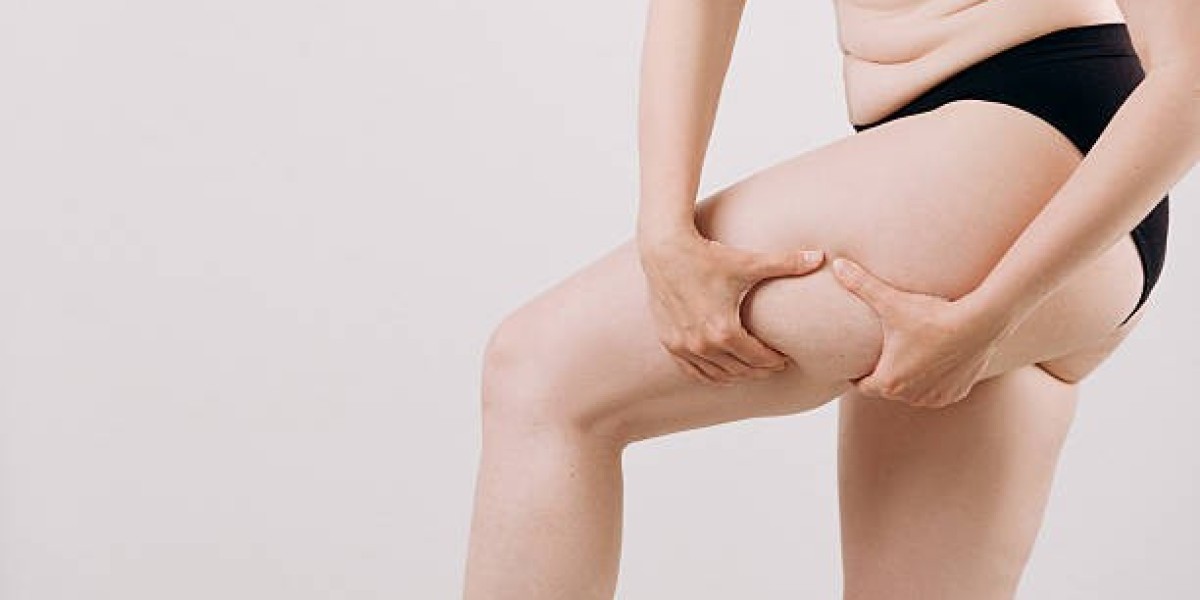

Lipedema is a chronic condition that causes an abnormal and often symmetrical accumulation of fat, commonly affecting the hips, buttocks, thighs, and legs. It may lead to tenderness, easy bruising, heaviness, and discomfort that can interfere with daily activities. People exploring treatment options may come across radiofrequency therapy, a technology commonly used in aesthetic procedures for skin tightening and tissue-related concerns. Understanding its actual role in Treatment of lipedema in Riyadh (علاج الوذمة الشحمية في الرياض) is important because radiofrequency is not an established method for removing lipedema fat or curing the condition.
Radiofrequency treatment uses controlled energy to generate heat within targeted tissues. Depending on the device and treatment protocol, it may be used for certain skin and cosmetic concerns. However, evidence supporting radiofrequency as a treatment for lipedema itself remains limited. A personalized approach to Treatment of lipedema in Riyadh should distinguish between aesthetic skin treatments and medical approaches designed to manage lipedema symptoms, swelling, and affected fat tissue.
What Is Radiofrequency Treatment?
Radiofrequency (RF) treatment is a non-surgical technology that uses electromagnetic energy to produce controlled heating in selected tissues. In aesthetic medicine, certain RF devices are used to support skin tightening, improve the appearance of mild skin laxity, or address the appearance of cellulite.
Different devices use different methods to deliver energy, including external applicators and techniques that target deeper tissue layers. The appropriate technology depends on the intended purpose, treatment area, and patient's medical suitability.
It is important to remember that devices designed for skin tightening are not automatically suitable for treating a medical condition such as lipedema.
Can Radiofrequency Improve Lipedema Symptoms?
Radiofrequency may be discussed as a complementary aesthetic treatment in some situations, but there is currently insufficient strong clinical evidence to establish it as an effective treatment for lipedema itself.
May Improve the Appearance of Skin
Some radiofrequency devices are used to address mild skin laxity and the appearance of cellulite. A patient with lipedema may also have concerns about skin texture, but cosmetic improvement does not mean that the underlying lipedema has been treated.
Does Not Remove Lipedema Fat
Radiofrequency skin-tightening treatments should not be considered a substitute for procedures designed to remove affected fat tissue. They do not reliably eliminate lipedema fat or reverse the condition.
Does Not Replace Swelling Management
Radiofrequency is not a replacement for compression therapy, appropriate exercise, or manual lymphatic drainage when the latter is medically indicated for associated swelling. These approaches have different purposes within lipedema management.
What Are the Limitations of Radiofrequency for Lipedema?
Although radiofrequency technology has several aesthetic applications, its role in lipedema care has important limitations.
It is not an established cure for lipedema.
It does not reliably remove abnormal lipedema fat.
Evidence that it reduces lipedema-related pain or tenderness is limited.
It should not be assumed to improve lymphatic function.
Results from cosmetic skin treatments cannot be used to predict medical benefits for lipedema.
Patients should be cautious of claims that radiofrequency can permanently dissolve lipedema fat or stop the condition from progressing.
Is Radiofrequency Treatment Safe for People With Lipedema?
The safety of radiofrequency depends on the device, energy settings, treatment area, and patient's medical history. Some patients may experience temporary redness, warmth, tenderness, or swelling after an aesthetic RF procedure. Burns, blistering, or changes in skin pigmentation are less common but possible complications, depending on the device and technique.
People with sensitive or painful lipedema-affected tissue should receive an individual assessment before considering treatment. A clinician should also review relevant medical conditions, implanted electronic devices, skin problems, and any other factors that could affect suitability.
Patients should not undergo treatment over areas with unexplained swelling, active infection, or other untreated medical concerns without appropriate medical advice.
Which Treatments Are Commonly Used to Manage Lipedema?
Lipedema management focuses on symptoms, mobility, and quality of life. Treatment choices depend on the patient's condition and whether additional swelling or other medical problems are present.
Compression Therapy
Properly fitted compression garments may help manage associated swelling and provide support during everyday activities. They do not remove lipedema fat, and the correct garment and pressure level should be recommended by a healthcare professional.
Manual Lymphatic Drainage
Manual lymphatic drainage uses gentle, specialized movements to encourage lymphatic fluid movement. It may help selected patients with additional swelling, but it does not eliminate abnormal fat tissue.
Suitable Physical Activity
Low-impact activities such as walking, swimming, cycling, and gentle strength training can support muscle function, mobility, and general well-being. Exercise does not cure lipedema, but it can be a useful part of long-term care.
Specialized Liposuction
For selected patients with persistent symptoms, specialized liposuction may be considered. The procedure aims to remove affected fat while protecting surrounding structures, including lymphatic vessels. It involves surgical risks and requires careful evaluation, realistic expectations, and appropriate follow-up.
Is Radiofrequency a Suitable Option for Every Lipedema Patient?
No. Radiofrequency may be considered for a separate cosmetic concern, such as mild skin laxity, but it should not be presented as a primary lipedema treatment. Patients experiencing pain, significant swelling, or changes in limb size need a medical assessment before choosing an aesthetic procedure.
A specialist can help determine whether symptoms are related to lipedema, another condition, or a combination of concerns. Treatment of lipedema in Riyadh should be based on an accurate assessment and a clear understanding of what each treatment can and cannot achieve.
Book Your Appointment at Royal Clinic Saudia
If you are considering radiofrequency or other options for lipedema-related concerns, a professional consultation can help clarify suitable treatments and their limitations. Book an appointment at Royal Clinic Saudia (عيادات رويال كلينك) to discuss your symptoms, receive an individualized assessment, and explore appropriate care options.
FAQs:
Can radiofrequency treatment cure lipedema?
No. Radiofrequency is not an established cure for lipedema. Certain devices may address cosmetic concerns such as skin laxity, but they do not reliably remove lipedema fat or reverse the condition.
Can radiofrequency reduce lipedema-related pain?
There is insufficient strong clinical evidence to show that radiofrequency reliably reduces lipedema-related pain. Patients experiencing persistent tenderness should discuss established symptom-management options with a healthcare professional.
Is radiofrequency better than compression therapy for lipedema?
These treatments have different purposes. Compression may help manage associated swelling, while radiofrequency is mainly used for certain aesthetic concerns. Radiofrequency is not a substitute for medically recommended compression.
Can radiofrequency be combined with other lipedema treatments?
It may be possible in selected cases when radiofrequency is being used for a separate cosmetic concern. A healthcare professional should assess suitability and coordinate treatments to avoid unnecessary risks or unrealistic expectations.