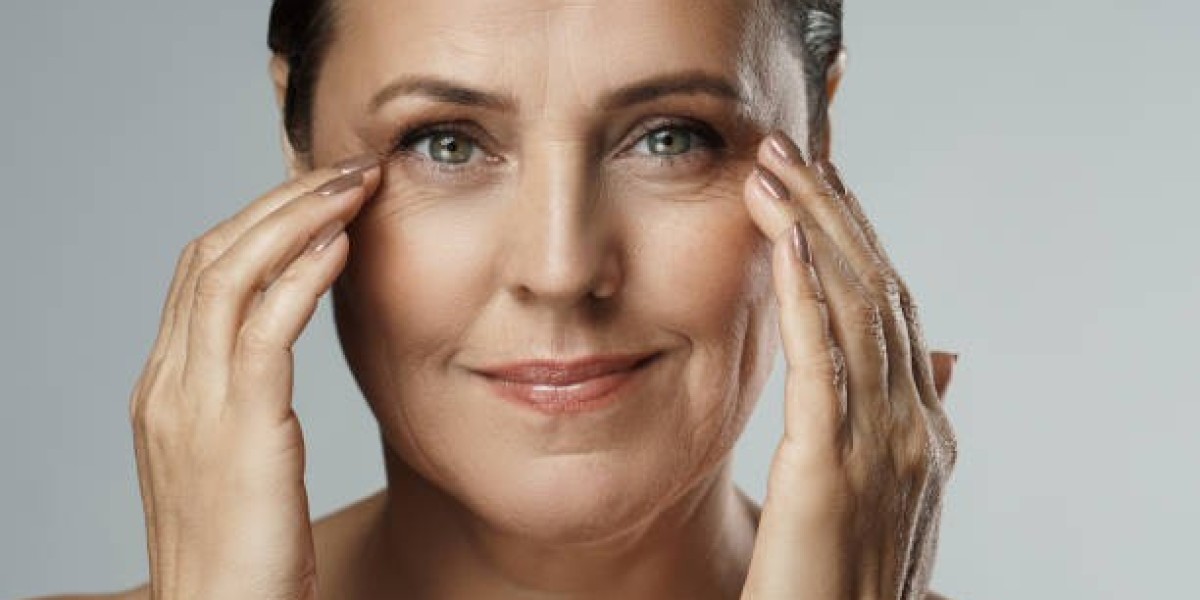

Under-eye bags can develop because of aging, genetics, changes in skin elasticity, and the shifting of fat around the lower eyelids. These changes may create a puffy or tired appearance even when a person feels well-rested. Lower eyelid surgery is a cosmetic procedure designed to address certain causes of under-eye bags by adjusting or removing excess fat and, when appropriate, treating loose skin. Understanding the procedure, recovery process, benefits, and potential risks can help patients make informed decisions. For individuals considering Eye Bag Removal in Riyadh, a consultation with a qualified medical professional is an important first step toward identifying a suitable treatment.
What Is Lower Eyelid Surgery?
Lower eyelid surgery, commonly known as lower blepharoplasty, is a procedure that improves the appearance of the area beneath the eyes. Depending on the patient's anatomy, the surgeon may reposition or remove fat deposits, address excess skin, or make carefully planned adjustments to the lower eyelid tissues.
The aim is to create a smoother transition between the lower eyelid and cheek while maintaining a natural appearance. The procedure does not stop the aging process, and the results vary according to skin quality, facial structure, and the technique used.
Why Do Under-Eye Bags Develop?
Under-eye bags can have several underlying causes. Aging may weaken supporting tissues and allow fat around the eyes to become more prominent. Genetics can also contribute to naturally fuller lower eyelids, even in younger adults.
Fluid retention, allergies, inadequate sleep, and certain lifestyle factors may temporarily increase puffiness. It is important to distinguish temporary swelling from persistent fat bulges or excess skin because each concern may require a different approach.
Types of Lower Eyelid Surgery
The appropriate surgical technique depends on whether the main concern is prominent fat, loose skin, or a combination of both.
Transconjunctival Lower Blepharoplasty
In a transconjunctival approach, the surgeon makes an incision inside the lower eyelid. This technique can be suitable for patients whose primary concern is excess fat beneath the eyes and who have relatively good skin elasticity.
Because the incision is inside the eyelid, there is no visible external incision scar. However, this approach does not directly remove significant excess skin, so it may not be appropriate for every patient.
Transcutaneous Lower Blepharoplasty
A transcutaneous approach involves an incision on the outside of the lower eyelid, generally positioned just beneath the eyelashes. It may be considered when both prominent fat and excess skin need to be addressed.
The surgeon carefully evaluates eyelid support, skin laxity, and facial anatomy before choosing this technique. As with any surgery, there are potential risks, including scarring and changes in lower eyelid position.
Fat Repositioning
In some cases, rather than removing fat, a surgeon may reposition it to soften the transition between the lower eyelid and cheek. This approach can help address the combination of under-eye bags and hollows.
The best method depends on the patient's anatomy and treatment goals. Removing too much fat can sometimes create a hollow appearance, which is why conservative planning is important.
Who Is a Suitable Candidate?
People with persistent under-eye bags caused by prominent fat deposits or loose lower eyelid skin may be candidates for surgery. Candidates should generally be in good overall health and have realistic expectations about what the procedure can achieve.
During an assessment for Eye Bag Removal in Riyadh, a medical professional may examine skin elasticity, eyelid position, facial proportions, and the condition of the eyes. A history of dry eyes, previous eyelid surgery, allergies, or other eye-related conditions may influence treatment planning.
Surgery may be less suitable when puffiness is primarily caused by temporary fluid retention, untreated allergies, or another medical issue. A clinician can recommend appropriate alternatives when surgery is unlikely to address the underlying concern.
How Is Lower Eyelid Surgery Performed?
Before the Procedure
The process begins with a consultation to review medical history, medications, previous procedures, and desired outcomes. The surgeon explains the planned technique, expected recovery, and possible complications.
Patients may receive instructions about medication management, smoking cessation, skincare, and preparing for recovery. Any changes to prescribed medication should be made only under appropriate medical guidance.
During Surgery
Lower eyelid surgery may be performed using local anesthesia with sedation or general anesthesia, depending on the surgical plan and patient needs. The surgeon makes the planned incision, adjusts the fat or skin as necessary, and closes any external incision using suitable techniques.
The procedure's duration varies according to its complexity and whether other treatments are performed at the same time. Patients should follow their surgical team's instructions about transportation and post-procedure supervision.
Recovery After Lower Eyelid Surgery
Recovery differs from person to person. Swelling, bruising, mild discomfort, watery eyes, and temporary sensitivity can occur during the early healing period. These effects generally improve gradually, although complete recovery may take longer than the initial visible healing.
Tips for Supporting Recovery
Follow all instructions provided by the surgical team.
Use cold compresses only as directed and avoid applying excessive pressure to the eyes.
Keep the head elevated when resting if recommended.
Avoid rubbing the eyes and follow guidance about contact lenses and makeup.
Delay strenuous exercise and heavy lifting until your clinician approves.
Attend follow-up appointments to monitor healing.
Sudden vision changes, severe eye pain, rapidly increasing swelling, or significant bleeding require urgent medical attention.
Benefits and Potential Risks
Lower eyelid surgery may reduce prominent fat bulges, improve the contour beneath the eyes, and create a more refreshed appearance. Results can be long-lasting, although natural aging continues and the procedure cannot correct every cause of dark circles or puffiness.
Potential complications include bleeding, infection, scarring, dry eyes, asymmetry, prolonged swelling, and changes in eyelid position. Rarely, serious bleeding around the eye can threaten vision. Choosing a qualified surgeon and following the recommended care plan can help manage risks, but no procedure is completely risk-free.
Surgical Eye Bag Removal Compared With Non-Surgical Treatments
Non-surgical treatments may be considered when the concern involves mild skin laxity, under-eye hollows, or temporary puffiness. Depending on the underlying issue, options may include selected skin-tightening procedures or carefully chosen injectable treatments.
However, these treatments do not reliably remove prominent fat deposits or significant excess skin. Fillers may also worsen puffiness in some people and carry rare but serious vascular risks. A professional assessment can help determine whether surgery or a non-surgical approach is more appropriate.
How Long Do Results Last?
Results from lower eyelid surgery can last for many years, but their longevity varies according to genetics, skin quality, facial anatomy, and the technique used. Surgery can address existing structural concerns, but it cannot prevent future changes caused by aging.
Maintaining a consistent skincare routine, protecting the skin from sun exposure, and managing allergies or fluid retention may help support the appearance of the under-eye area. These measures do not replace surgery but can complement an appropriate long-term care plan.
Frequently Asked Questions
Is Lower Eyelid Surgery Painful?
Patients may experience discomfort, tightness, or soreness during recovery. The level of discomfort varies, and the surgical team can recommend suitable ways to manage symptoms.
Will Lower Eyelid Surgery Remove Dark Circles?
It may improve dark circles when prominent fat or under-eye contours contribute to shadowing. However, pigmentation, visible blood vessels, and naturally thin skin may remain, so results depend on the underlying cause.
Are the Results Permanent?
The improvement can be long-lasting, but the face continues to age. Some patients may notice further changes over time.
When Can I Return to Normal Activities?
The recovery timeline depends on the procedure and individual healing. Many people need time away from work and social activities while swelling and bruising improve. Follow your surgeon's guidance before returning to exercise or other strenuous activities.
Explore Eye Bag Removal Options at Royal Clinic Saudia
Choosing the right approach begins with understanding the cause of under-eye bags and reviewing the benefits and risks of available treatments. Royal Clinic Saudia can help you explore Eye Bag Removal in Riyadh, discuss your concerns, and understand which options may suit your needs. Book a consultation to receive an individualized assessment and guidance on the next steps.




