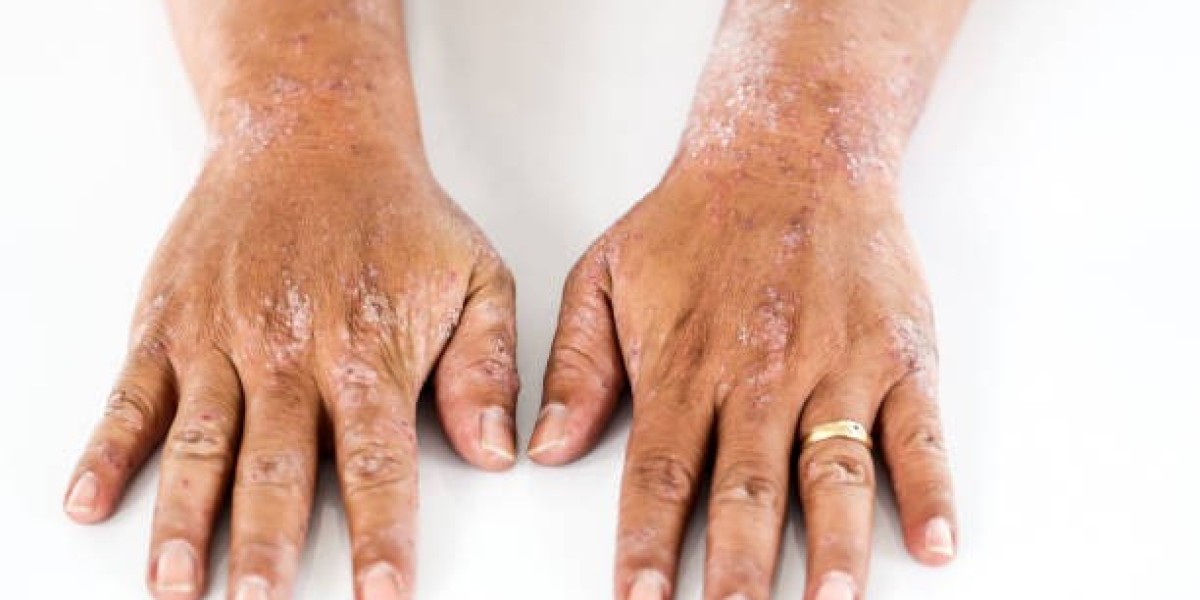

Eczema is a common skin condition in babies and young children that can cause dryness, redness, itching, and irritated patches. It often appears on the cheeks, scalp, arms, legs, and skin folds, although symptoms can vary depending on the child's age. Because young children's skin is delicate, treatment should focus on reducing inflammation, protecting the skin barrier, and preventing flare-ups with age-appropriate care. Understanding the available options for Eczema treatment in Riyadh (علاج الإكزيما في الرياض) can help parents learn when home skincare may be sufficient and when professional medical advice is needed.
Eczema symptoms can make children uncomfortable, disturb their sleep, and lead to scratching that further irritates the skin. Although the condition may improve as children grow, some experience recurring flare-ups that require ongoing management. Parents should avoid trying multiple products or using adult medications on a child's skin without medical guidance. For families exploring Eczema treatment in Riyadh, consulting a qualified healthcare professional can help identify the type of eczema and establish a suitable treatment plan based on the child's age, symptoms, and medical history.
What Causes Eczema in Babies and Young Children?
Eczema often develops when the skin barrier does not retain moisture effectively, allowing the skin to become dry and more sensitive to irritants. Genetic factors and immune responses may contribute, and children with a family history of eczema, asthma, or allergic conditions may have a greater likelihood of developing atopic dermatitis.
Everyday factors can aggravate symptoms, including fragranced soaps, detergents, rough fabrics, sweating, dry weather, and hot baths. Some children may also react to particular skincare products or environmental irritants. Food allergies can be relevant in selected cases, but eczema does not automatically mean a child has a food allergy. Parents should not remove major food groups from a child's diet without advice from a qualified healthcare professional.
Common Signs of Eczema in Children
Dry, Red, or Irritated Skin
Eczema may cause dry, rough patches that appear red or pink on lighter skin and brown, purple, gray, or darker than the surrounding skin on darker skin tones. In babies, the cheeks and outer limbs are common areas, while older children may develop eczema around the elbows, knees, wrists, and neck.
Persistent Itching and Scratching
Itching is one of the main symptoms of eczema. Babies may rub their faces against bedding, become unsettled, or have difficulty sleeping. Older children may scratch affected areas throughout the day, sometimes causing broken skin.
Cracked or Inflamed Patches
During a flare-up, the skin may become swollen, cracked, or sore. Scratching can lead to bleeding or increase the risk of infection. If the skin develops pus, yellowish crusting, significant warmth, or rapidly spreading redness, medical assessment is important.
How Is Eczema Treated in Babies and Young Children?
Regular Moisturizing
Moisturizing is an essential part of eczema care. Apply a fragrance-free cream or ointment regularly, especially after bathing, to help the skin retain moisture. Thick creams and ointments are often more effective than lightweight lotions for very dry skin.
Choose products designed for sensitive skin and introduce new products carefully. Avoid fragranced lotions, harsh cleansers, and products that cause stinging or increased irritation. Consistent moisturizing can help reduce dryness and support the skin barrier, even when the eczema appears better.
Gentle Bathing and Cleansing
Give children short baths using lukewarm rather than hot water. Use a mild, fragrance-free cleanser only where needed, and avoid vigorous rubbing or scrubbing. After bathing, gently pat the skin dry and apply moisturizer while the skin is still slightly damp.
Parents should also avoid bubble baths and strongly scented bath products if these aggravate symptoms. Keeping bath routines simple can reduce exposure to potential irritants.
Prescription Creams for Inflammation
When moisturizing alone does not control symptoms, a clinician may recommend a topical corticosteroid to reduce inflammation and itching. The appropriate medicine, strength, amount, and duration depend on the child's age, the severity of eczema, and the affected body area.
Parents should follow the prescribed instructions carefully and should not use leftover medication or another person's cream. Special care is needed on the face, around the eyes, and in skin folds because these areas may be more sensitive to side effects. If symptoms do not improve, the child's treatment plan may need to be reviewed.
Other Treatments When Needed
For children whose eczema remains difficult to control, a dermatologist or pediatric healthcare professional may consider other prescription treatments based on age, severity, and medical history. These may include non-steroidal topical medicines or specialist treatment for more severe disease. Antibiotics are only appropriate when a healthcare professional identifies a bacterial infection; they do not treat eczema itself.
How Parents Can Prevent Eczema Flare-Ups
Choose Skin-Friendly Clothing
Dress children in soft, breathable fabrics such as cotton when possible. Rough materials, tight clothing, and excessive layers may increase friction or sweating. Wash new clothes before wearing them and use fragrance-free laundry products if detergents seem to irritate the skin.
Keep the Skin Comfortable
Avoid overheating, as sweat can worsen itching for some children. Keep the bedroom at a comfortable temperature and use suitable bedding that does not feel rough against the skin. If dry air aggravates symptoms, a clean humidifier may help in some settings, provided it is maintained properly.
Reduce Scratching
Keep your child's fingernails short and smooth. For babies, soft clothing that covers affected areas may help reduce accidental scratching, provided it is comfortable and does not cause overheating. Do not tightly wrap or cover medicated skin unless a healthcare professional specifically advises it.
When Should Parents Seek Medical Advice?
Consult a healthcare professional if eczema is persistent, disrupts sleep, affects a large area, or does not improve with regular moisturizing. A clinician can confirm the diagnosis, assess severity, and determine whether prescription treatment is needed.
Seek prompt medical care if your child develops fever, rapidly spreading redness, increasing pain, swelling, pus, or clusters of painful blisters. These may indicate an infection. Painful blisters or sores that spread quickly require urgent assessment because certain infections can be serious in children.
Parents should also seek advice before making major dietary changes or using herbal remedies, essential oils, or over-the-counter products marketed for eczema. Some products can irritate sensitive skin or contain ingredients that are unsuitable for young children.
Supporting Your Child's Skin Health
Managing childhood eczema often involves a consistent routine rather than a single treatment. Gentle bathing, regular moisturizing, avoiding known irritants, and following medical instructions can help control symptoms and support healthier skin. Since eczema can look different from other childhood rashes, an accurate diagnosis is an important first step.
For parents considering Eczema treatment in Riyadh, professional guidance can help ensure that care is appropriate for the child's age and individual needs. A healthcare professional can also explain how to apply prescribed medicines safely and recognize signs that require further assessment.
Book a Dermatology Consultation at Royal Clinic Saudia
If your baby or young child has persistent dry, itchy, or inflamed skin, professional advice can help you understand the cause and explore appropriate treatment options. Royal Clinic Saudia (عيادات رويال كلينك) can help families discuss their skin concerns and learn about suitable dermatology care. Arrange a consultation to receive guidance tailored to your child's symptoms and skincare needs.
FAQs:
Can babies outgrow eczema?
Some children experience fewer symptoms as they grow older, but this does not happen for everyone. Eczema may improve, persist, or return periodically, so ongoing skincare and medical advice may still be helpful.
Is it safe to use steroid creams on a baby's eczema?
Topical corticosteroids can be appropriate when prescribed for a baby, but the type, strength, application area, and duration matter. Parents should follow a healthcare professional's instructions and avoid using adult or leftover steroid creams without advice.
Should I change my child's diet to improve eczema?
Not necessarily. Most children with eczema do not need a restricted diet unless a specific food allergy or other medical reason has been identified. Consult a healthcare professional before removing foods, especially from a growing child's diet.
When should I take my child to a doctor for eczema?
Arrange an assessment if symptoms persist, disturb sleep, spread, or do not improve with gentle skincare. Seek prompt care for fever, pus, significant pain, rapidly spreading redness, or painful blisters that may indicate infection.





