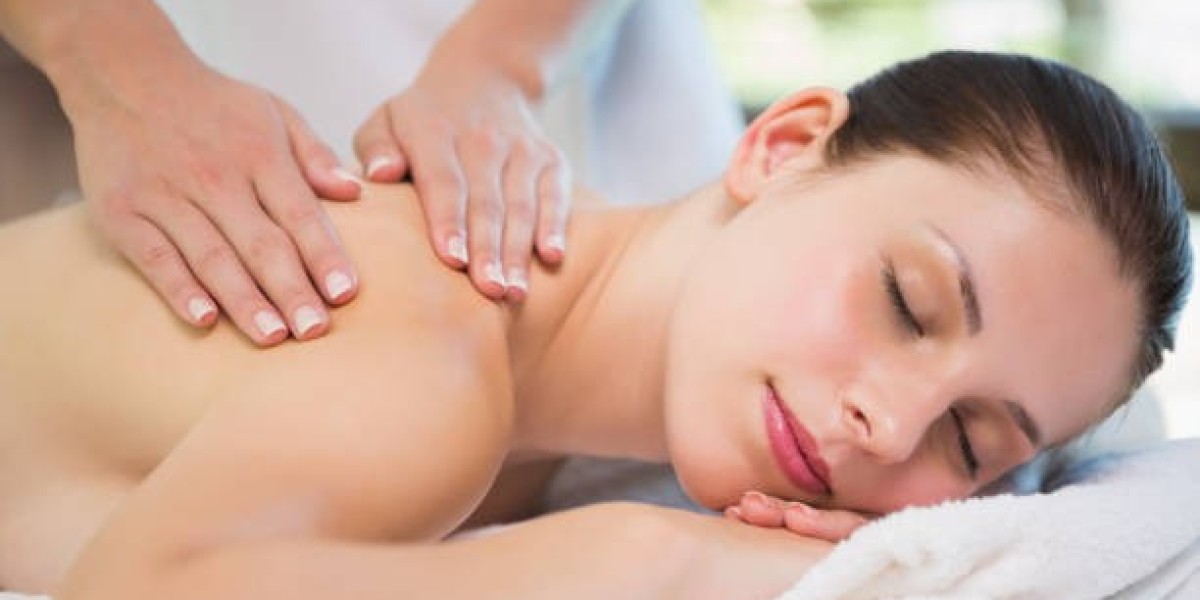

Lymphedema is a condition that causes swelling when lymph fluid builds up in the body's tissues because the lymphatic system cannot drain it effectively. It commonly affects the arms or legs, although other areas may also be involved. People living with this condition may experience heaviness, tightness, reduced movement, and changes in their skin. Lymphatic massage (مساج لمفاوي) in Riyadh may be an option for individuals seeking professional support with swelling management, provided the technique is appropriate for their medical condition.
Understanding how the lymphatic system works can help people make informed decisions about managing lymphedema. Manual lymphatic drainage is a specialized, gentle technique used in some treatment plans to encourage lymph fluid movement. It is not a cure for lymphedema, and its suitability depends on the individual's diagnosis, symptoms, and overall health. A healthcare professional can help determine whether it should be included in a personalized care plan.
What Is Lymphedema?
The lymphatic system helps maintain fluid balance by collecting excess fluid from body tissues and returning it to the bloodstream. It also plays a role in immune function. When lymphatic vessels or nodes are damaged, blocked, or underdeveloped, fluid may accumulate instead of draining efficiently.
Lymphedema can be primary, meaning it develops because of an inherited or developmental problem with the lymphatic system, or secondary, meaning it results from another factor. Secondary lymphedema may occur after certain cancer treatments, including lymph node removal or radiation therapy. It can also develop following injury, infection, or other damage to lymphatic structures.
The condition may develop gradually, and early symptoms can be subtle. A person might notice that a limb feels heavier, jewellery or clothing fits more tightly, or swelling becomes more noticeable throughout the day. Without suitable management, swelling can become persistent and may contribute to skin changes, discomfort, and a higher risk of skin infections.
How Lymphatic Massage Works
Manual lymphatic drainage is a specialized technique performed with slow, gentle, rhythmic movements on the skin. It is designed to encourage lymph fluid to move toward functioning lymphatic pathways and drainage areas. Unlike traditional massage, it generally uses light pressure rather than deep kneading or forceful manipulation.
For some people with lymphedema, manual lymphatic drainage may help reduce swelling or feelings of tightness when used as part of a comprehensive management plan. The degree of benefit varies from person to person. It is not always effective on its own, particularly when swelling is long-standing or the underlying lymphatic damage is significant.
The technique should be performed by a practitioner with appropriate training in lymphatic care. Treatment needs to be adapted to the affected area, the person's health history, and any previous surgery or medical treatment. Self-massage may also be recommended in selected cases, but individuals should first receive instruction from a qualified professional.
The Role of Complete Decongestive Therapy
Lymphedema management often involves more than massage alone. A widely used approach is complete decongestive therapy, which combines several techniques to help manage swelling and maintain improvements over time. The exact plan depends on the severity of the condition and the person's individual needs.
Compression garments or bandaging may be recommended to help control fluid accumulation. These should be selected and fitted with professional guidance, especially for people with circulation problems or other medical conditions. Therapeutic exercises and appropriate movement may also support fluid movement by activating muscles, while skin care helps protect the affected area.
Education is another important part of treatment. Learning how to monitor swelling, care for the skin, use prescribed compression, and recognize early signs of complications can help people manage lymphedema more confidently. Manual lymphatic drainage may support this approach, but it should not be considered a substitute for the other recommended components.
Potential Benefits of Lymphatic Massage for Lymphedema
When clinically appropriate, lymphatic massage may help some people experience a reduction in swelling and a greater sense of comfort in the affected area. Reduced tightness may make everyday activities easier, although results vary and cannot be guaranteed. Treatment goals should be realistic and based on an assessment by a qualified lymphedema professional.
Another potential benefit is the opportunity to learn more about ongoing swelling management. During professional care, individuals may receive guidance on positioning, skin protection, suitable movement, and other measures that complement their treatment plan. This education can be particularly useful for people who need to manage a long-term condition.
It is important to understand that lymphatic massage does not remove body fat, provide a general detox, or permanently restore damaged lymphatic vessels. Lymphedema often requires ongoing care, and the best approach is one that addresses the underlying condition while supporting daily comfort and function.
Safety Considerations Before Treatment
Not everyone with swelling should receive lymphatic massage immediately. Sudden or unexplained swelling needs medical assessment before massage is considered. A suspected blood clot, acute infection, or certain uncontrolled medical conditions may make treatment unsafe or require specific precautions. People with significant heart or kidney problems should consult their healthcare team before receiving lymphatic drainage.
Skin changes should also be taken seriously. Redness, increasing warmth, tenderness, fever, or rapidly worsening swelling may indicate an infection that requires prompt medical attention. Sudden swelling in one limb, particularly when accompanied by pain or warmth, may require urgent evaluation for a blood clot. Chest pain or difficulty breathing requires emergency care.
People who have undergone cancer treatment or lymph node surgery should follow advice from their treating clinician. A specialist can determine whether manual lymphatic drainage is suitable and whether it should be combined with compression, exercise, or other treatments.
Finding Lymphatic Massage in Riyadh
When exploring Lymphatic massage in Riyadh, individuals with lymphedema should prioritize providers who understand the condition and have suitable training in manual lymphatic drainage. Before treatment, they should discuss their diagnosis, symptoms, previous surgeries, current medications, and any history of infections or circulation problems. These details help the practitioner determine whether the technique is appropriate.
A consultation should also explain the expected purpose of treatment, its limitations, and whether additional medical or therapeutic support is needed. Individuals should be cautious of providers who promise a permanent cure or guaranteed results from massage alone. Lymphedema management is often ongoing, so coordination with a doctor or lymphedema therapist may be an important part of care.
Booking an Appointment at Royal Clinic Saudi
People considering Lymphatic massage in Riyadh can contact Royal Clinic Saudi (عيادات رويال كلينك) to ask about available services, practitioner qualifications, and whether an initial consultation is suitable for their needs. Anyone with diagnosed or suspected lymphedema should share relevant medical information before arranging treatment and follow their healthcare professional's recommendations. Choosing an informed, individualized approach can help ensure that any massage considered is appropriate and complements the person's wider lymphedema management plan.
FAQs:
1. Can lymphatic massage cure lymphedema?
No. Lymphedema is usually a long-term condition. Manual lymphatic drainage may help manage swelling in some cases, but it does not cure the condition or repair damaged lymphatic vessels.
2. How often should someone with lymphedema receive lymphatic massage?
The recommended frequency depends on the person's symptoms, treatment goals, and clinical assessment. A qualified lymphedema professional can develop an appropriate schedule and advise when treatment should be adjusted.
3. Is lymphatic massage safe for everyone with lymphedema?
Not always. Certain infections, suspected blood clots, and some heart or kidney conditions may make treatment unsuitable or require medical guidance. Assessment before treatment is important.
4. Can lymphatic massage replace compression garments?
No. Compression may be an important part of lymphedema management when appropriately prescribed. Manual lymphatic drainage may be used alongside compression and other recommended measures, depending on the individual's care plan.





