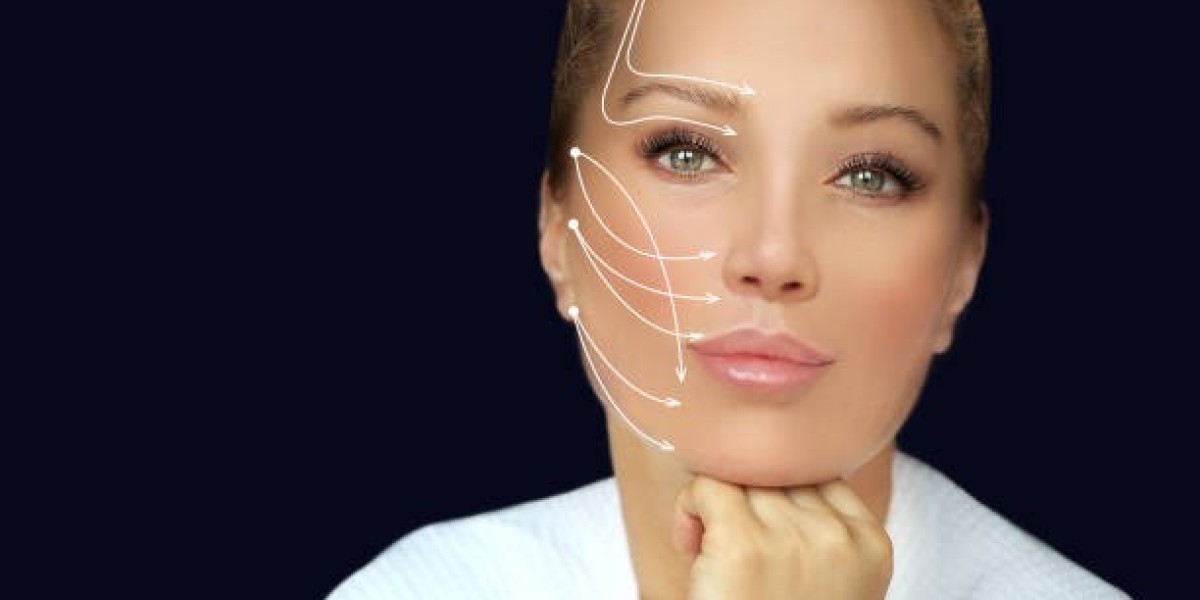

Loose skin around the cheeks is a common sign of facial aging that can affect facial contours and make the face appear less firm. As collagen and elastin levels decline, the skin gradually loses some of its elasticity, while the underlying facial tissues may shift downward. These changes can cause sagging cheeks, deeper folds around the nose and mouth, and reduced definition along the jawline. A facelift is a surgical option that may improve these concerns by repositioning supporting tissues and addressing excess skin. For people researching Facelift in Riyadh, understanding how this procedure works can help them explore suitable facial rejuvenation options.
A facelift can improve loose cheek skin when sagging is associated with changes in the deeper facial tissues and excess skin. The degree of improvement depends on skin quality, facial structure, the extent of tissue descent, and the surgical technique. While surgery may restore a firmer-looking contour, it cannot eliminate every wrinkle, replace all lost facial volume, or stop the natural aging process. A professional assessment helps determine whether a facelift or another treatment is more appropriate.
What Causes Loose Skin Around the Cheeks?
Several factors contribute to changes in cheek firmness and facial contour. Identifying the underlying cause helps a qualified practitioner recommend an appropriate treatment.
Natural Loss of Skin Elasticity
Collagen and elastin help the skin maintain its structure and flexibility. With age, these proteins gradually change, making the skin less resilient. As a result, the cheeks may appear looser, particularly when combined with changes in the underlying tissues.
Descent of Facial Tissues
The cheeks contain fat compartments, connective tissues, and supporting ligaments. Over time, these structures can change position, contributing to sagging and deeper folds. When the cheek tissues descend, the face may look heavier around the lower cheeks and mouth.
Changes in Facial Volume
Some people lose volume in the cheeks as they age, while others develop more noticeable fullness in the lower face. Volume loss and tissue descent can occur together, creating different facial contours. A facelift primarily addresses sagging tissues; it does not necessarily restore volume lost from the cheeks.
Sun Exposure and Lifestyle Factors
Long-term sun exposure can contribute to premature skin aging. Smoking and significant weight fluctuations may also affect skin quality and facial appearance. Healthy lifestyle habits can support skin health, although they cannot completely prevent age-related changes.
How Does a Facelift Improve Loose Cheek Skin?
A facelift addresses selected changes in the deeper facial support structures and the skin. The specific technique depends on the patient's anatomy and the extent of sagging.
Repositioning Deeper Facial Tissues
Many facelift techniques adjust the superficial musculoaponeurotic system, commonly called the SMAS, which supports facial soft tissues. The surgeon may tighten, fold, or reposition this layer to improve the position of the cheeks and lower face. Addressing deeper support can help create a more balanced contour than relying on skin tightening alone.
Managing Excess Skin
When excess skin contributes to cheek sagging, the surgeon removes a carefully planned amount after repositioning the underlying tissues. The goal is to create a smoother, firmer appearance without placing excessive tension on the skin.
Improving Facial Contours
By addressing tissue descent and loose skin, a facelift may improve the appearance of the cheeks, soften selected facial folds, and enhance the transition toward the jawline. The extent of improvement varies, and the procedure does not change the underlying bone structure.
Which Facelift Is Suitable for Loose Cheeks?
Different procedures address different patterns of facial aging. The most suitable option depends on where the skin is loose and whether the main concern involves the midface, lower face, or both.
Mid-Facelift
A mid-facelift focuses on the central face, particularly the cheeks and tissues beneath the eyes. It may be considered when cheek descent is the primary concern and there is relatively little sagging along the jawline.
SMAS Facelift
A SMAS facelift addresses the deeper supportive tissue layer beneath the skin. It may be appropriate for people with sagging cheeks and lower-face changes who need more substantial tissue repositioning.
Deep Plane Facelift
A deep plane facelift works beneath the SMAS and releases selected retaining ligaments to allow deeper tissues to be repositioned. It may be considered for certain patterns of midface and lower-face sagging, but it is a more complex operation and is not automatically the best option for every patient.
A qualified plastic surgeon can explain the differences between these techniques and recommend an approach based on facial anatomy, health, and desired results. When researching Facelift in Riyadh, ask which specific areas the proposed procedure will improve and what limitations to expect.
Facelift vs Non-Surgical Treatments for Loose Cheeks
Non-surgical treatments may help with selected concerns, especially when sagging is mild. Dermal fillers can restore volume in appropriate areas, while certain radiofrequency or ultrasound-based treatments may offer modest skin tightening. Other injectable treatments address different concerns, such as expression-related lines.
These approaches do not generally remove significant excess skin or reposition deeper tissues to the same extent as facelift surgery. Fillers may also be unsuitable when loose skin rather than volume loss is the primary problem. Each treatment has its own limitations and risks, so professional guidance is important before proceeding.
What to Expect During Recovery
After facelift surgery, temporary swelling, bruising, tightness, discomfort, and changes in skin sensation may occur. The early recovery period can require time away from work and strenuous activities. As swelling gradually subsides, the cheek contours become easier to assess, although complete healing may take longer.
Patients should follow postoperative instructions, care for incisions as directed, and attend follow-up appointments. Strenuous exercise should be avoided until the surgeon confirms it is safe to resume. Increasing pain, sudden swelling, significant bleeding, fever, or other unexpected symptoms should be reported promptly to the surgical team.
Risks and Realistic Expectations
A facelift is a surgical procedure with potential risks, including bleeding, infection, scarring, delayed wound healing, asymmetry, numbness, anesthesia-related complications, and possible facial nerve injury. Individual risks vary depending on health, anatomy, and the extent of surgery.
A facelift can improve loose cheek skin, but it cannot guarantee perfect symmetry or prevent future aging. Choosing an appropriately qualified and experienced plastic surgeon and discussing realistic goals are essential parts of the decision-making process.
Book a Consultation at Royal Clinic Saudia
If loose cheek skin is affecting your facial appearance, Royal Clinic Saudia can be a starting point for discussing facial rejuvenation options. A consultation with an appropriately qualified medical professional can help assess the cause of sagging and determine whether a facelift or another treatment may suit your needs and expectations.
FAQs:
Can a facelift tighten loose skin around the cheeks?
Yes. A facelift can improve cheek sagging by repositioning supporting tissues and addressing excess skin. The degree of improvement depends on facial anatomy, skin quality, and the technique used.
Is a mid-facelift better for sagging cheeks?
A mid-facelift may be suitable when cheek descent is the main concern. However, people with significant jowls or lower-face sagging may need a different technique. An individualized assessment helps determine the best approach.
Can non-surgical treatments tighten loose cheek skin?
Some non-surgical treatments may offer modest improvement in mild skin laxity or restore selected areas of volume. They generally cannot match surgery for significant excess skin or tissue sagging.
How long do facelift results last?
Results may remain visible for years, but the face continues to age naturally. Longevity varies according to genetics, skin quality, lifestyle, and surgical technique.