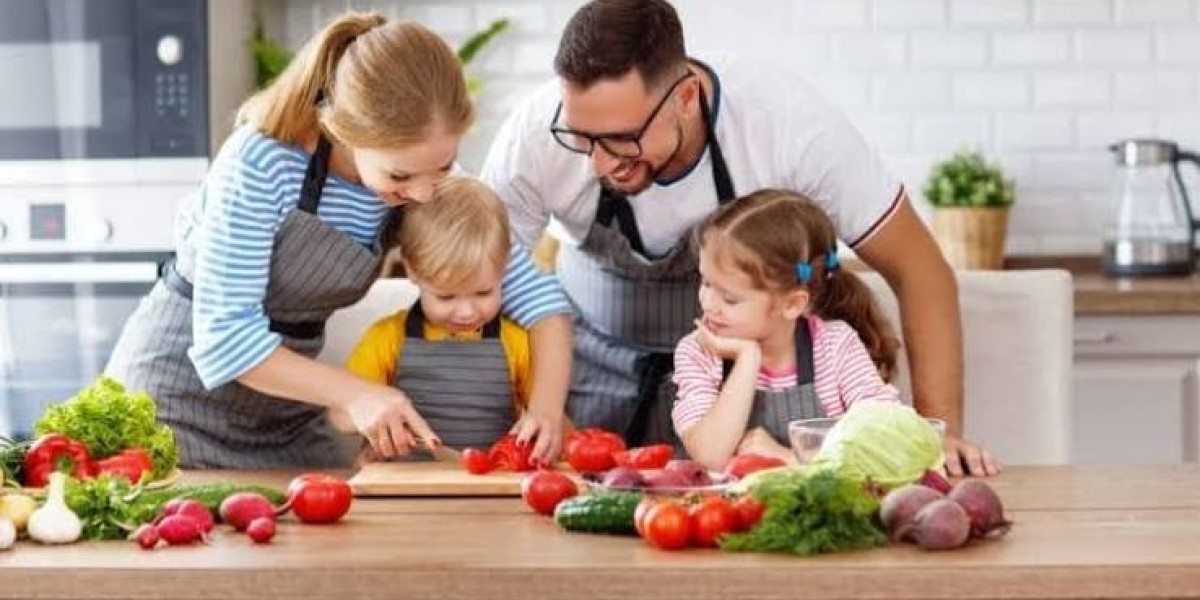

Cooking turns a normal afternoon into a hands-on lesson. Kids stir, measure, taste, and create something real. This guide explains the main benefits, shares easy activities, and covers safety. You will also see how cooking can work for children of all abilities.
Why Cook With Kids?
Cooking gives children clear steps, sensory fun, and a tasty reward. It also creates screen-free time with family or friends. Best of all, kids learn real skills while they play.
The Top Benefits of Cooking for Kids
Fine Motor Skills
Stirring, pouring, kneading, and spreading strengthen small hand muscles. These skills support drawing, writing, and dressing.
Maths Skills
Kids count eggs, measure flour, and compare weights. Doubling a recipe teaches fractions in a way a worksheet can’t.
Language and Literacy
Reading a recipe builds vocabulary and teaches children to follow instructions in order. Kids also learn new words, such as “whisk” and “fold.”
Science Learning
Children see dough rise, butter melt, and ice cream freeze. These simple experiments spark curiosity.
Independence and Confidence
Finishing a real dish builds self-esteem. Choices, such as picking toppings, help kids feel in control.
Healthy Eating Habits
Kids who help prepare food often feel more curious about it. They also learn where food comes from.
Social Skills
Cooking together teaches teamwork, turn-taking, and sharing. Kids also learn to ask for help.
Tasks by Age
Match the Job to the Child
Toddlers (About 2 to 3)
Wash fruit, tear lettuce, stir, and squish dough. Stay within arm’s reach at all times.
Preschoolers (About 3 to 5)
Pour, mix, spread, and use cookie cutters. Add simple measuring with large cups.
School-Age Children (About 6 and Over)
Measure, crack eggs, and follow short recipes. Older kids can plan a meal and help with supervised stove tasks.
Easy Cooking Activities for Kids
No-Cook Ideas
Fruit skewers, sandwiches, and yoghurt parfaits need no heat. They suit first-time cooks.
No-Bake Treats
Cereal bars and chocolate truffles let kids mix and shape without an oven.
Simple Baking
Muffins, cookies, and banana bread teach measuring and timing. Adults handle the hot oven steps.
Seasonal Fun
Festive themes keep kids motivated. Christmas Holiday Baking gives every child a job, from rolling gingerbread to adding sprinkles.
Kitchen Safety for Kids
Safe habits protect everyone. Follow these steps:
Wash hands before cooking and after touching raw food.
Tie back long hair and wear an apron.
Keep children away from hot ovens, stoves, and boiling water.
Let adults handle sharp knives and hot oil.
Check allergies and read labels every time.
Use clear, positive rules, such as “Walking feet in the kitchen.”
Adults must supervise children at all times. Match the task to the child’s age and ability. For exact food safety guidance, follow your local food safety authority.
Cooking for Kids With Disability or Additional Needs
Every child learns differently, so ask what helps. Follow advice from occupational therapists and care teams.
Autism and Sensory Needs
Offer a predictable routine and choices about textures and smells. Provide a quiet space for breaks.
Physical Disability
Use adaptive tools, such as bowl holders, non-slip mats, and grips. Set up a seated workspace at a comfortable height.
Learning and Attention Needs
Use picture recipes, short steps, and clear roles. Offer movement breaks for kids who need them.
Vision and Hearing Impairment
Use tactile markers and talking scales for vision needs. Use visual steps and clear gestures for hearing needs.
Some families of children with disability also explore structured options, such as NDIS baking programs. Always check that a program suits the child’s age and needs.
Cooking and Picky Eating
Cooking gives kids a low-pressure way to explore food. They can smell, touch, and taste in small steps. Never force or bribe a child to eat. If you worry about a child’s eating, talk to a doctor, dietitian, or feeding therapist.
Group Cooking and Classes
Group cooking teaches teamwork and builds friendships. Small groups, trained staff, and clear safety rules make sessions work well.
A multi-week class gives children regular practice and a steady routine. For example, a 10-Week NDIS Baking Course lets participants build skills week by week, if it suits the child’s age. Seasonal sessions, such as Christmas Holiday Baking, give groups a shared goal and a reason to celebrate.
Cooking and the NDIS for Children
Some children with disability use cooking to work on skills, independence, and participation. Funding depends on each child’s plan, and NDIS rules can change. Ask the child’s support coordinator, plan manager, or therapist what applies, and check the official NDIS website.
When families compare options, they can ask providers how NDIS baking programs link to the child’s goals and how staff track progress. Ask whether a 10-Week NDIS Baking Course suits the child’s age, support needs, and schedule. Confirm all funding details before you enrol.
Key Takeaways
Cooking builds fine motor skills, maths, language, and confidence.
Match tasks to age, and always supervise.
Adaptive tools and picture recipes help every child take part.
Funding depends on each plan, so always check first.
Frequently Asked Questions
What are the main benefits of cooking activities for kids?
Cooking builds fine motor skills, maths, language, confidence, and healthy eating habits. It also gives families screen-free time together.
At what age can kids start cooking?
Toddlers can wash fruit and stir under close supervision. Older children can take on more tasks as their skills grow.
Are cooking activities suitable for kids with disability?
Yes, with the right adaptations. Use picture recipes, adaptive tools, and clear routines. Families can also ask about NDIS baking programs and check that the program suits the child.
How long should a kids’ cooking course last?
Every child learns at their own pace. A 10-Week NDIS Baking Course offers regular practice, which helps skills and confidence build over time.
Can we cook safely during the festive season?
Yes. Christmas Holiday Baking stays safe when adults manage the oven, check allergies, and choose simple recipes.
Conclusion
Cooking helps kids learn, grow, and have fun. Start with an easy recipe, match the task to the child, and keep safety first. Every stir, sprinkle, and shared snack builds skills that last.