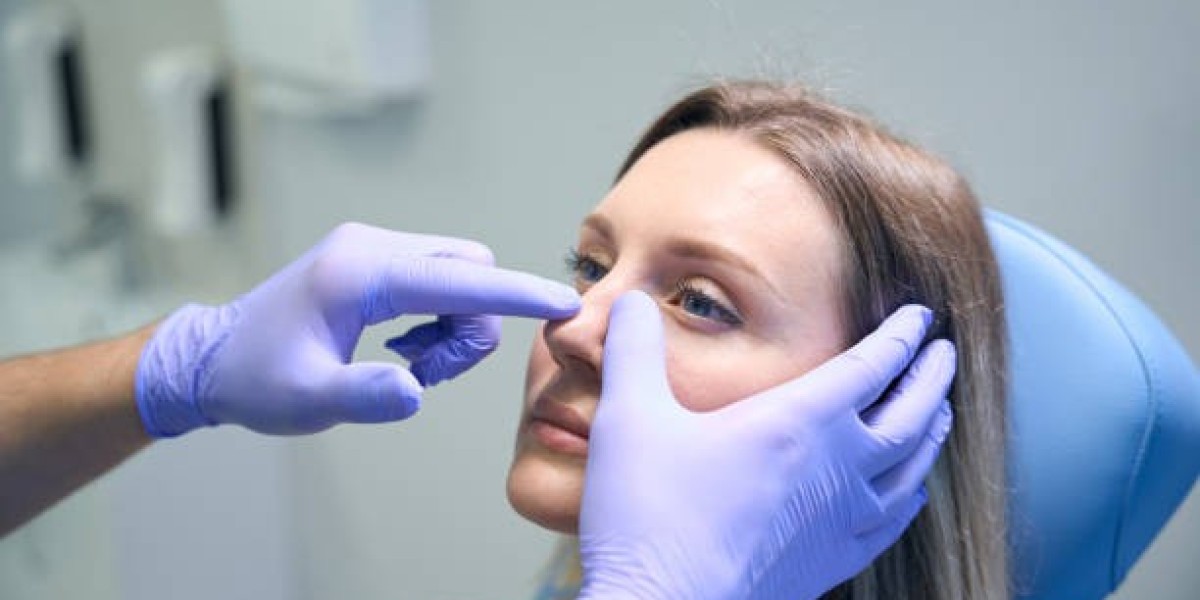

Nasal valve collapse is a structural problem that can make breathing through the nose difficult. It occurs when the narrowest part of the nasal airway becomes weakened or narrows excessively during breathing. Some people experience nasal obstruction during exercise, while others notice difficulty breathing even at rest. Rhinoplasty may help correct this condition when the underlying cause involves the structure or support of the nose. Understanding nasal valve collapse, its symptoms, and available treatment options can help patients determine whether Rhinoplasty in Riyadh (عملية تجميل الانف في الرياض) may be appropriate for their needs.
What Is Nasal Valve Collapse?
The nasal valve is a narrow region inside the nose that plays an important role in controlling airflow. It includes internal and external areas supported by cartilage, bone, and surrounding soft tissues. Because this region is naturally narrow, even a small reduction in its opening can significantly affect breathing.
Nasal valve collapse occurs when these supporting structures become weak or when the airway narrows during inhalation. In some cases, the sidewall of the nose moves inward as a person breathes in, restricting airflow.
The condition can affect one or both sides of the nose. It may occur on its own or alongside other problems, such as a deviated septum, enlarged turbinates, or changes caused by previous nasal surgery or injury.
What Causes Nasal Valve Collapse?
Several factors can contribute to nasal valve collapse. Identifying the underlying cause is essential because treatment needs to address the specific structural problem.
Weak nasal cartilage: Naturally weak or underdeveloped cartilage may provide insufficient support to the nasal sidewalls.
Previous rhinoplasty: Removing too much cartilage or changing the nasal framework during surgery can sometimes weaken the valve area.
Nasal injury: Trauma may alter the shape or stability of the structures that maintain an open airway.
A deviated septum: A septal deviation may narrow the nasal passage and contribute to breathing difficulties.
Age-related changes: Changes in tissue strength and support can affect the nasal sidewalls over time.
Congenital structural differences: Some individuals have nasal anatomy that makes the valve area more prone to narrowing.
Not every case of nasal obstruction is caused by valve collapse. Allergies, inflammation, and other conditions can produce similar symptoms, so an accurate diagnosis is important before choosing treatment.
What Are the Symptoms of Nasal Valve Collapse?
The most common symptom is difficulty breathing through the nose. The severity can vary depending on the extent of the collapse and whether other nasal conditions are present.
Patients may experience:
Persistent or intermittent nasal blockage.
Difficulty breathing more comfortably through one nostril.
A feeling that the nostril closes during inhalation.
Worsening obstruction during exercise or deep breathing.
Improvement when gently pulling the cheek sideways or using an external nasal strip.
Difficulty sleeping comfortably because of restricted nasal airflow.
These symptoms do not confirm nasal valve collapse by themselves. A healthcare professional should examine the nasal passages and assess how the nasal sidewalls behave during breathing.
How Can Rhinoplasty Help Correct Nasal Valve Collapse?
Rhinoplasty can help treat nasal valve collapse by improving the structure and support of the affected area. When breathing is the primary concern, the procedure is often described as functional rhinoplasty or nasal valve repair.
Strengthening the Nasal Sidewalls
If the sidewalls move inward during inhalation, a surgeon may use structural techniques to reinforce them. Cartilage grafts can provide additional support and help maintain an open airway.
Using Spreader Grafts
Spreader grafts are typically placed alongside the dorsal septum to widen or support the internal nasal valve region. They may be useful when the internal valve is narrowed or when support has been compromised by previous surgery.
Using Alar Batten Grafts
Alar batten grafts can strengthen areas of the lateral nasal wall that collapse during breathing. They may be considered for selected cases involving external valve weakness.
Combining Procedures When Necessary
Some patients have several causes of obstruction, such as nasal valve collapse combined with a deviated septum or enlarged turbinates. A surgeon may recommend treating these conditions together when clinically appropriate.
The most suitable technique depends on the location of the collapse, the strength of the existing cartilage, and the overall nasal anatomy. Surgery aims to improve airflow while preserving a natural appearance and adequate structural support.
How Is Nasal Valve Collapse Diagnosed?
Diagnosis usually begins with a review of symptoms, medical history, previous nasal procedures, and any history of injury. The clinician examines the external nose and internal nasal passages to assess the nasal septum, sidewalls, and surrounding structures.
During the examination, the specialist may observe whether the nasal wall moves inward during inhalation. They may also use a gentle support manoeuvre to determine whether stabilising the sidewall improves airflow. Nasal endoscopy or other investigations may be appropriate when additional internal problems are suspected.
The clinician also considers other potential causes of obstruction, including allergies, inflammation, and enlarged turbinates. This evaluation helps determine whether nasal valve repair, medication, or another treatment is likely to be most beneficial.
What Is Recovery Like After Functional Rhinoplasty?
Recovery depends on the extent of the repair and whether other procedures are performed at the same time. Temporary swelling, bruising, tenderness, and nasal congestion are common during early healing. A splint or other support may be used to protect the nose.
Patients should follow their surgeon's instructions about cleaning the nose, using prescribed medication, attending follow-up appointments, and avoiding strenuous activities. Contact sports and activities that could injure the nose should be avoided until the surgeon confirms they are safe.
Breathing may improve gradually as swelling decreases, but the final result can take several months to assess. Outcomes vary according to the cause of collapse, the technique used, and the patient's healing process. Potential risks, including persistent obstruction, asymmetry, and the need for further treatment, should be discussed before surgery.
Book a Consultation at Royal Clinic Saudia
Persistent nasal obstruction can affect sleep, exercise, and everyday comfort. At Royal Clinic Saudia (عيادات رويال كلينك), patients can discuss their breathing concerns and learn whether structural nasal treatment may be suitable for them. A consultation for Rhinoplasty in Riyadh can help identify possible causes of nasal valve collapse and establish an individualised treatment plan based on clinical findings and realistic expectations.
FAQs:
Can rhinoplasty permanently correct nasal valve collapse?
Rhinoplasty can provide lasting structural support in many cases, but permanent correction cannot be guaranteed. Healing, the severity of the original problem, and changes in nasal tissues can influence long-term results.
Can nasal valve collapse be treated without surgery?
Mild symptoms may sometimes be managed with external nasal strips or internal nasal dilators. Medication may help if allergies or inflammation also contribute to obstruction, but it does not correct structural weakness itself.
Does correcting nasal valve collapse change the appearance of the nose?
Some techniques may slightly change the width or shape of the nose, while others are designed to provide support with minimal visible alteration. The likely cosmetic effects depend on the technique and should be discussed before surgery.
How do I know if I need functional rhinoplasty?
If you have persistent nasal obstruction, particularly if the sidewall moves inward during inhalation, seek an assessment from a qualified ear, nose, and throat specialist or facial plastic surgeon. An examination can help determine whether nasal valve collapse is present and whether surgery is appropriate.