
How Does Vibration Monitoring Improve Construction Safety?
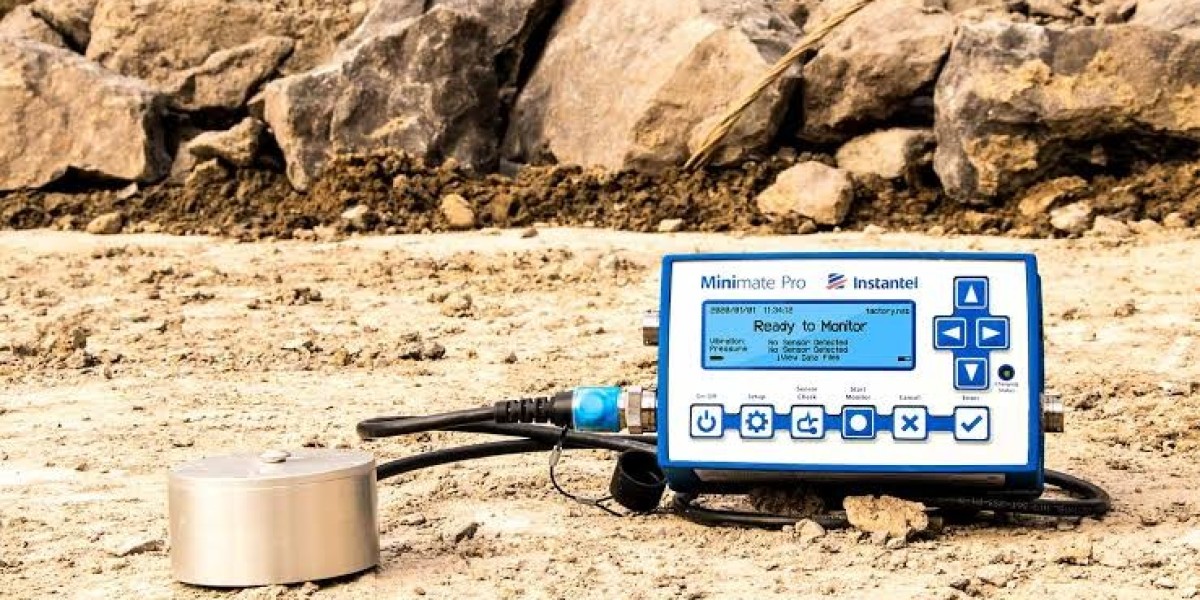
Construction activities such as piling, demolition, excavation, drilling, and heavy machinery operation can generate vibrations that affect nearby buildings, infrastructure, and occupants. Vibration Monitoring Equipment helps measure these ground or structural vibrations and provides useful data for assessing potential impacts. Monitoring can establish baseline conditions before work begins and track changes while construction is underway. By identifying unusual or excessive vibration levels, project teams can take corrective action, modify work methods, or adjust equipment operation. This makes vibration monitoring a valuable part of responsible construction planning and risk management.
Why Should Construction Teams Monitor Ground Vibrations?
Ground vibrations can travel through soil and rock and may affect structures located near a construction site. Their impact depends on factors such as vibration intensity, frequency, duration, soil conditions, distance, and the sensitivity of nearby structures. Continuous or periodic monitoring can help project teams understand how construction activities are affecting surrounding areas. Recorded data can also provide evidence that work is being carried out within agreed limits or project requirements. This information can be useful when communicating with property owners, engineers, contractors, and regulatory authorities during construction projects.
How Can Monitoring Help Protect Nearby Structures?
Buildings with older foundations, sensitive finishes, historic features, or vulnerable structural components may require additional attention during nearby construction. Monitoring vibration levels can help identify changes before they become a significant concern. Sensors can be positioned at suitable locations to measure vibration characteristics during activities such as excavation, piling, or demolition. Engineers can then review the collected data and compare it with applicable project criteria. Early detection of unusual vibration behaviour allows construction teams to investigate the cause and implement appropriate measures, potentially reducing the risk of damage and unnecessary disruption.
What Is the Role of Accelerometers and Sensors?
Vibration monitoring systems commonly use sensors capable of detecting movement and vibration in different directions. Depending on the application, equipment may measure parameters such as particle velocity, acceleration, frequency, and vibration duration. Proper sensor placement and calibration are important because inaccurate installation can affect the reliability of recorded information. Monitoring systems may also include data loggers, communication devices, alarms, and software for reviewing results. The equipment selected should be appropriate for the construction activity, expected vibration range, site conditions, and monitoring objectives. Professional setup helps ensure that collected data is useful for engineering assessment.
How Does Material Testing Support Infrastructure Durability?
Construction safety also depends on understanding how materials perform under demanding environmental and mechanical conditions. A Pressure Aging Vessel is used in asphalt and pavement-material research to simulate long-term oxidative aging under elevated pressure and temperature. The resulting aged binder can then be evaluated to understand changes in its properties. Such testing can contribute to pavement performance studies and material selection. By simulating aspects of long-term aging in a controlled laboratory environment, engineers can gather useful information about how asphalt binders may behave over time and under environmental exposure.
Why Is Pressure Aging Important for Asphalt Materials?
Asphalt binders can gradually change because of oxidation and environmental exposure, which may influence pavement performance. Laboratory aging procedures are used to simulate certain aspects of these changes so researchers and engineers can evaluate material behaviour. Pressure aging provides a controlled method for conditioning asphalt binder before additional testing. The resulting material can be assessed for properties related to durability and long-term performance. While laboratory conditioning cannot reproduce every field condition, it provides a standardised approach for comparing materials and supporting pavement research, specifications, and engineering decisions.
How Can Bond Testing Evaluate Surface Adhesion?
The connection between coatings, overlays, repair materials, and concrete substrates is important for long-term performance. The Bond Pull Off Test is a commonly used method for assessing the tensile bond strength between a surface and an attached material. During the test, a suitable loading device applies tensile force to a bonded test fixture until failure occurs. The measured force and failure mode provide information about adhesion and substrate performance. This type of testing can be useful for evaluating repair systems, protective coatings, overlays, and other applications where strong surface bonding is required.
Why Is Adhesion Testing Important in Repair Work?
Poor adhesion can cause coatings, overlays, or repair materials to detach prematurely, leading to maintenance problems and reduced service life. Pull-off testing can help determine whether a prepared surface and applied material have achieved an appropriate bond. Test results can be influenced by substrate condition, surface preparation, material properties, curing, environmental conditions, and test procedures. For this reason, testing should be carried out according to relevant standards and project specifications. Evaluating both measured strength and the failure pattern can provide a more useful understanding of the quality of the bonded system.
How Can Testing Improve Overall Project Quality?
Construction projects benefit from monitoring and testing because these processes provide measurable information that supports engineering decisions. Vibration monitoring can help assess the effects of construction activities, while material tests can provide information about long-term performance and adhesion. Rather than relying only on visual inspection or assumptions, project teams can use test results to identify potential concerns and verify whether work meets specified requirements. Proper documentation also creates a useful record for quality control and future maintenance. Selecting the right combination of monitoring and testing methods depends on project objectives, materials, site conditions, and applicable standards.
Frequently Asked Questions
1. What is vibration monitoring used for?
Vibration monitoring is used to measure construction-related ground or structural vibrations. It can help assess potential impacts on nearby buildings, infrastructure, and sensitive areas during activities such as piling, excavation, and demolition.
2. What does vibration monitoring equipment measure?
Depending on the system, equipment can measure parameters such as particle velocity, acceleration, frequency, and vibration duration. The selected monitoring parameters depend on project requirements and applicable criteria.
3. What is a Pressure Aging Vessel used for?
A Pressure Aging Vessel is used to condition asphalt binders under elevated pressure and temperature to simulate aspects of long-term oxidative aging for subsequent laboratory evaluation.
4. What does a Bond Pull Off Test determine?
A Bond Pull Off Test measures the tensile strength of adhesion between a bonded material and its substrate. It can be used for coatings, overlays, repair materials, and other bonded systems.
5. Why is vibration monitoring important near existing buildings?
Monitoring can help identify vibration levels generated by construction activities and provide data for assessing their potential effect on nearby structures. It can also support timely corrective action when unusual levels are detected.