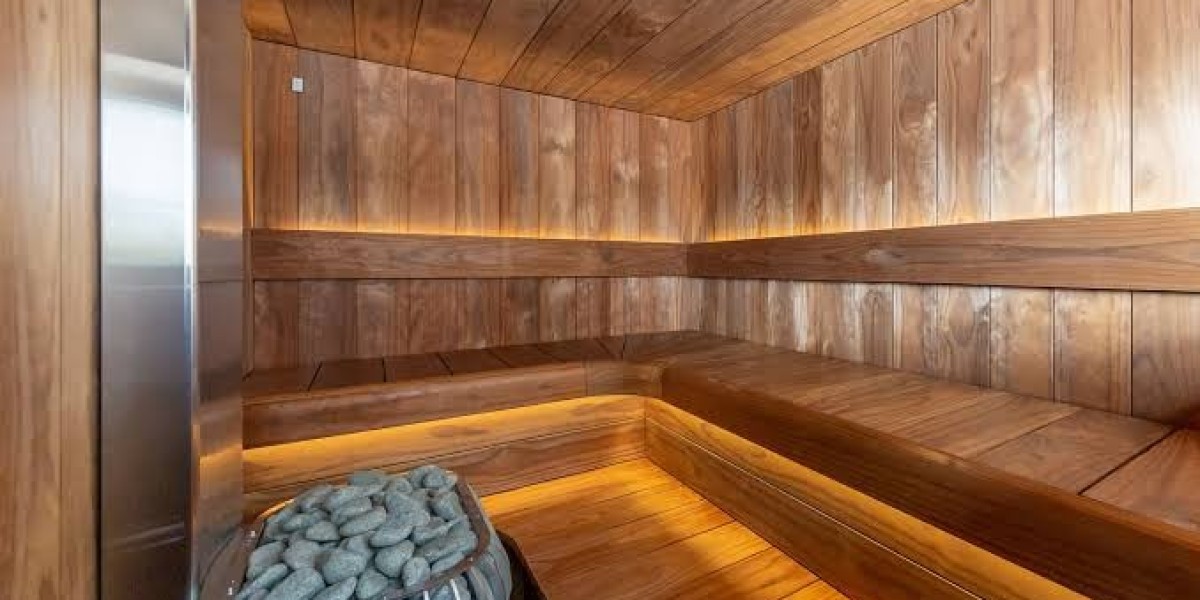

Choosing the best material for a sauna is an important decision because the wood affects comfort, appearance, durability, heat performance, and the overall atmosphere of the room. A sauna is exposed to repeated cycles of high temperatures and changing moisture levels, so the interior material needs to be carefully selected. Western red cedar, hemlock, and aspen are among the most commonly considered choices for sauna interiors, and each has its own advantages. Cedar is well known for its natural durability and distinctive aroma, while hemlock offers a lighter appearance and a more neutral scent. Aspen is also popular, particularly for benches and other surfaces that come into direct contact with the skin. The best choice ultimately depends on whether your priority is durability, appearance, aroma, comfort, budget, or a combination of these factors.
Why Is Cedar Considered One of the Best Sauna Materials?
Western red cedar is often considered a premium sauna material because it combines attractive appearance with natural resistance to moisture and decay. Its warm colour and recognizable aroma can create the traditional sauna atmosphere many homeowners want. Cedar is also relatively lightweight and comfortable when used inside a heated sauna. For outdoor sauna projects, its natural resistance to moisture and decay can be particularly valuable because the exterior may experience changing temperatures, rain, snow, and humidity. The main consideration is cost, as quality cedar generally comes at a higher price than several alternatives. For homeowners who want a premium appearance, natural aroma, and strong durability, cedar remains an excellent choice for sauna construction.
Is Hemlock a Good Material for a Modern Sauna?
Hemlock is an excellent alternative for homeowners who prefer a clean and modern sauna interior. It usually has a light colour, subtle grain, and much less noticeable aroma than cedar. This makes it appealing to people who want a neutral environment without a strong wood fragrance. Hemlock can also provide a refined appearance while generally costing less than premium cedar. It is commonly used for indoor and infrared sauna interiors where proper ventilation and moisture management are maintained. For homeowners looking for a balance between appearance, performance, and cost, Canadian hemlock can be a practical material for walls, ceilings, and other interior surfaces.
Why Is Aspen Popular for Sauna Benches?
Aspen is particularly useful for sauna benches, backrests, and other areas where the wood comes into direct contact with the body. Its light colour gives the sauna a bright and calming appearance, while its low-resin characteristics make it suitable for heated interior surfaces. Aspen also has a very mild scent, which can be preferable for people who do not enjoy the stronger aroma associated with cedar. Because benches need to remain comfortable against bare skin, choosing an appropriate low-resin wood is important. Aspen can therefore be an excellent choice for seating even when another species is used for the walls and ceiling.
Which Sauna Material Is Best for Canadian Weather?
For an outdoor sauna in Canada, material selection should take the local climate into account. Outdoor structures can experience snow, rain, humidity, freezing temperatures, sunlight, and repeated heating and cooling cycles. Cedar has an advantage in exposed environments because of its natural resistance to moisture and decay. However, the wood alone does not determine how long a sauna will last. Proper construction, ventilation, drainage, installation, wood quality, and maintenance are equally important. A well-designed sauna should allow moisture to escape and should be built with materials suitable for the conditions around the installation site. This is especially important for homeowners planning to use their sauna throughout Canada's changing seasons.
Can You Combine Different Woods in One Sauna?
Using more than one type of wood can be an effective way to balance appearance, comfort, and durability. For example, cedar can be selected for walls and ceilings because of its natural character, while aspen can be used for benches and backrests because it provides a comfortable surface for direct skin contact. Hemlock can also be combined with another wood when homeowners want a lighter, modern appearance. A mixed-material approach allows you to focus on the specific requirements of different areas instead of expecting one wood species to perform every function. The final combination should be planned carefully so that the colours and grain patterns complement one another and the selected materials are suitable for sauna temperatures.
What Should You Avoid When Choosing Sauna Materials?
Not every type of wood or building material is appropriate for a sauna interior. Materials that contain excessive resin can become problematic when exposed to high temperatures, while painted, stained, or varnished surfaces may not be appropriate for the hot room. Engineered materials such as MDF, particleboard, and unsuitable plywood should also not be casually substituted for sauna-grade interior wood. The interior should be constructed with materials specifically selected for high-temperature conditions, and the wood should be properly dried and installed. Homeowners should also follow heater clearance requirements and local building regulations when planning the sauna. Choosing suitable materials from the beginning can help create a safer, more durable, and more comfortable sauna environment.
How Does the Material Affect Sauna Comfort?
The material surrounding you can influence how your sauna feels during every session. The colour and grain affect the visual atmosphere, while the scent can influence the overall experience. Bench material is particularly important because you may sit or lie directly against it for extended periods. Low-resin woods such as aspen are commonly selected for these surfaces because they provide a comfortable option for direct contact. Cedar can provide a recognizable natural aroma, while hemlock offers a much more neutral experience. Thinking about these sensory details before construction can help you create a sauna that feels comfortable rather than simply functional.
Is Cedar or Hemlock Better for a Home Sauna?
The answer depends on what you want from your sauna. Cedar is generally the stronger choice if you prioritize natural durability, moisture resistance, traditional appearance, and aroma. Hemlock may be preferable if you want a lighter, cleaner look with minimal scent and a potentially lower material cost. For many indoor home saunas, both can perform well when properly installed and ventilated. Homeowners should also consider whether they are building a traditional sauna or an infrared sauna, because the environment and temperature requirements can differ. Instead of choosing based only on popularity, it is better to compare the characteristics of each wood with your home's location, design, budget, and intended use.
How Can Chinook Hot Tubs and Saunas Help With Sauna Selection?
Choosing the right sauna material is only one part of creating a successful home wellness space. Chinook Hot Tubs and Saunas provides sauna solutions alongside hot tubs, giving homeowners the opportunity to plan a complete relaxation environment. Professional guidance can help you think about the sauna's location, size, design, materials, ventilation, heating system, and long-term maintenance requirements. Whether you prefer the traditional character of cedar, the clean appearance of hemlock, or the comfortable feel of aspen, discussing your project with an experienced sauna provider can help you make a more informed decision. The right material should work together with the complete sauna design rather than being selected in isolation.
What Is the Best Sauna Material for Your Home?
There is no single material that is perfect for every sauna, because different homeowners have different priorities. Cedar is an excellent all-round choice when durability, natural character, and aroma are important. Hemlock is a practical option for those who prefer a light, modern appearance and subtle scent, while aspen is particularly well suited to benches and backrests where comfort is a priority. For a Canadian home, the installation environment should also influence the decision, especially when planning an outdoor sauna. By considering climate, ventilation, maintenance, appearance, comfort, and budget together, you can select materials that support a long-lasting sauna experience. With the right planning and professional installation, your sauna can become a comfortable and attractive part of your home wellness space.