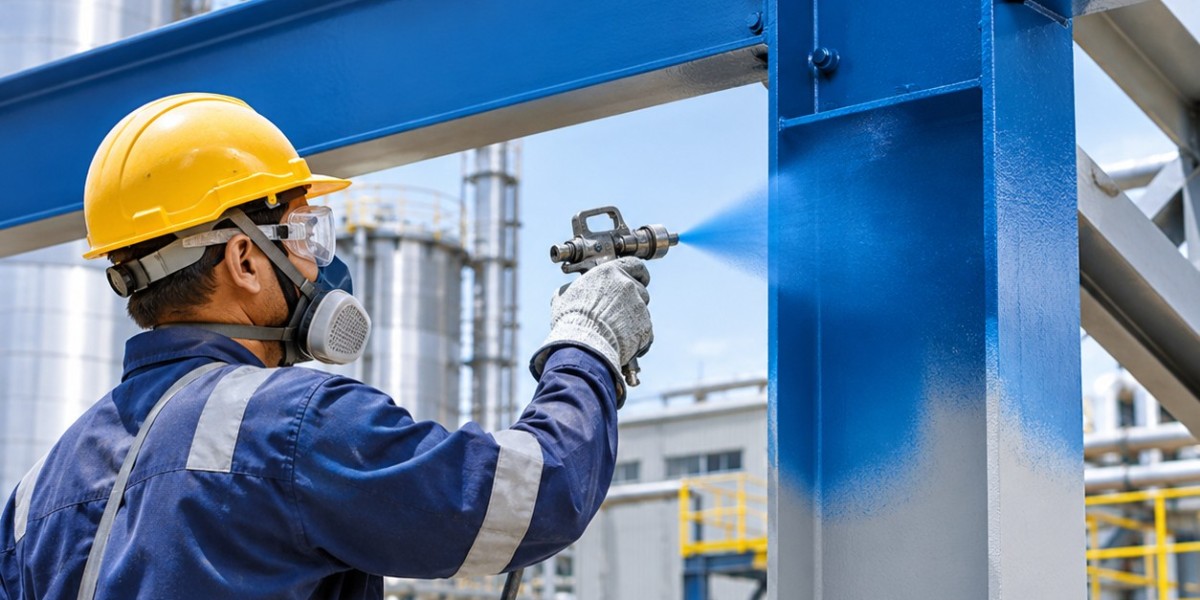

Industrial facilities experience continuous exposure to moisture, chemicals, dust, temperature fluctuations and mechanical wear. Over time, these conditions can damage structural steel, machinery surfaces, concrete walls and other essential building components.
Professional Industrial Painting Services help protect industrial surfaces through suitable protective coatings, systematic surface preparation and controlled application techniques.
Unlike conventional decorative painting, industrial painting focuses on surface protection, corrosion resistance, durability and maintenance efficiency. Selecting an appropriate coating system helps businesses protect their infrastructure and reduce avoidable refurbishment expenses.
This article explains the importance of industrial painting, suitable coating systems and essential considerations for selecting a professional contractor.
Why Is Painting in Industries Important?
The purpose of painting in industries extends beyond improving workplace appearance. Industrial coatings create a protective barrier between the underlying surface and environmental contaminants.
Manufacturing plants, warehouses and chemical processing facilities often require different levels of surface protection. For example, exposed steel structures may require corrosion-resistant coatings, while production areas may need finishes compatible with frequent cleaning.
Properly selected coatings can help maintain surface integrity, support workplace cleanliness and reduce premature deterioration of industrial assets.
What Are the Common Types of Industrial Painting?
Different industrial applications require specific coating properties depending on environmental exposure and substrate conditions.
Painting System | Key Characteristics | Suitable Applications |
|---|---|---|
Epoxy Painting | Adhesion and chemical resistance | Factories and suitable concrete surfaces |
Polyurethane Painting | Weathering resistance and durable finish | Exterior structures and exposed surfaces |
Anti-Corrosion Painting | Protection against metal corrosion | Steel structures and machinery frames |
Concrete Surface Painting | Surface protection and cleanability | Industrial walls and utility areas |
Protective Repainting | Restoration of deteriorated coatings | Existing industrial facilities |
The final coating selection should depend on surface compatibility, operating conditions and technical specifications.
What Is the Professional Industrial Painting Process?
An experienced Industrial Painting Provider should follow a systematic application procedure to achieve consistent coating performance.
1. Site Inspection and Assessment
Contractors examine existing surfaces, corrosion levels, environmental exposure and operational requirements before recommending a coating system.
2. Surface Preparation
Rust, grease, dust, loose paint and other contaminants are removed using suitable mechanical or cleaning methods.
3. Surface Repairs
Damaged concrete, surface imperfections and deteriorated sections are repaired where necessary to establish a suitable application foundation.
4. Primer Application
A compatible primer is applied where specified to improve coating adhesion and provide the required protective properties.
5. Protective Coating Application
Intermediate coats and topcoats are applied according to the specified film thickness, coverage and recoating intervals.
6. Curing and Final Inspection
The coating receives sufficient curing time before undergoing appropriate inspection and project handover.
Which Industries Benefit from Industrial Painting Services?
Industrial painting solutions support infrastructure maintenance across various business sectors.
Industry | Primary Painting Requirement |
|---|---|
Manufacturing Plants | Protection against operational wear |
Pharmaceutical Facilities | Cleanable wall and ceiling finishes |
Chemical Processing Plants | Chemical-resistant protective coatings |
Automotive Industries | Machinery and structural surface protection |
Warehouses | Durable interior and exterior finishes |
Food Processing Units | Application-specific hygienic coatings |
Engineering Facilities | Corrosion protection for metal structures |
Coating requirements should be evaluated individually rather than selecting materials based solely on industry classification.
How Does Industrial Painting Help Prevent Corrosion?
Metal surfaces exposed to moisture, oxygen and environmental contaminants can gradually develop corrosion. Without suitable protection, corrosion may affect surface integrity and increase maintenance requirements.
Effective painting in industries involves selecting compatible protective coatings that help limit exposure to corrosive environmental conditions.
Anti-corrosion primers and suitable topcoats can provide additional protection when applied over properly prepared metal surfaces.
However, painting directly over loose rust or contaminated surfaces can compromise adhesion and lead to premature coating failure. Regular inspection and timely maintenance remain essential for preserving coated structures.
What Factors Affect Industrial Painting Costs?
Industrial painting expenses vary according to project complexity, coating specifications and site requirements.
Important cost factors include:
- Total surface area requiring painting.
- Existing surface condition and corrosion levels.
- Surface preparation and repair requirements.
- Selected primer and protective coating materials.
- Required coating thickness and number of layers.
- Site accessibility and equipment requirements.
- Labour, project duration and operational restrictions.
Businesses should request detailed project quotations instead of comparing contractors solely on their painting rate per square foot.
How to Choose a Reliable Industrial Painting Provider
Selecting a suitable contractor requires evaluating technical expertise, project planning and quality control capabilities.
Facility managers should consider previous project experience, material specifications, surface preparation methods, safety arrangements and inspection procedures.
A professional contractor should also provide a clearly defined scope of work covering preparation activities, coating application, expected completion timelines and maintenance recommendations.
Evaluating these factors helps businesses select a service provider aligned with their technical and commercial requirements.
Choose Coatexx for Professional Industrial Painting
Coatexx Industrial Solutions provides specialised Industrial Painting Services for factories, warehouses, commercial properties and industrial structures.
Its service portfolio includes structural steel painting, epoxy coatings, polyurethane protective finishes, anti-corrosion treatments and industrial surface refurbishment. The company also showcases completed industrial painting projects in Mumbai and Navi Mumbai.
Businesses can request a site assessment, suitable coating recommendations and a customised project quotation based on their facility requirements.
Conclusion
Industrial painting plays an important role in protecting infrastructure against corrosion, environmental exposure and everyday operational wear. Appropriate coating selection, thorough surface preparation and systematic application contribute to dependable performance.
Working with a professional contractor helps businesses maintain industrial assets, manage long-term maintenance expenses and create functional, professionally finished working environments.
Frequently Asked Questions
1. What are industrial painting services?
Industrial painting involves preparing and coating industrial surfaces to improve protection against corrosion, moisture, wear and selected environmental conditions.
2. Why is painting in industries necessary?
It helps protect industrial infrastructure, maintain surface condition, support routine maintenance and reduce premature deterioration.
3. Which paint is best for industrial structures?
Epoxy, polyurethane and anti-corrosion coating systems are common options. The appropriate choice depends on substrate conditions and environmental exposure.
4. How much does industrial painting cost per square foot?
Costs depend on surface condition, coating materials, preparation requirements, accessibility and labour expenses. A site assessment helps determine accurate pricing.
5. How often should industrial surfaces be repainted?
Repainting frequency depends on coating condition, environmental exposure and operational wear. Regular inspections help determine appropriate maintenance intervals.