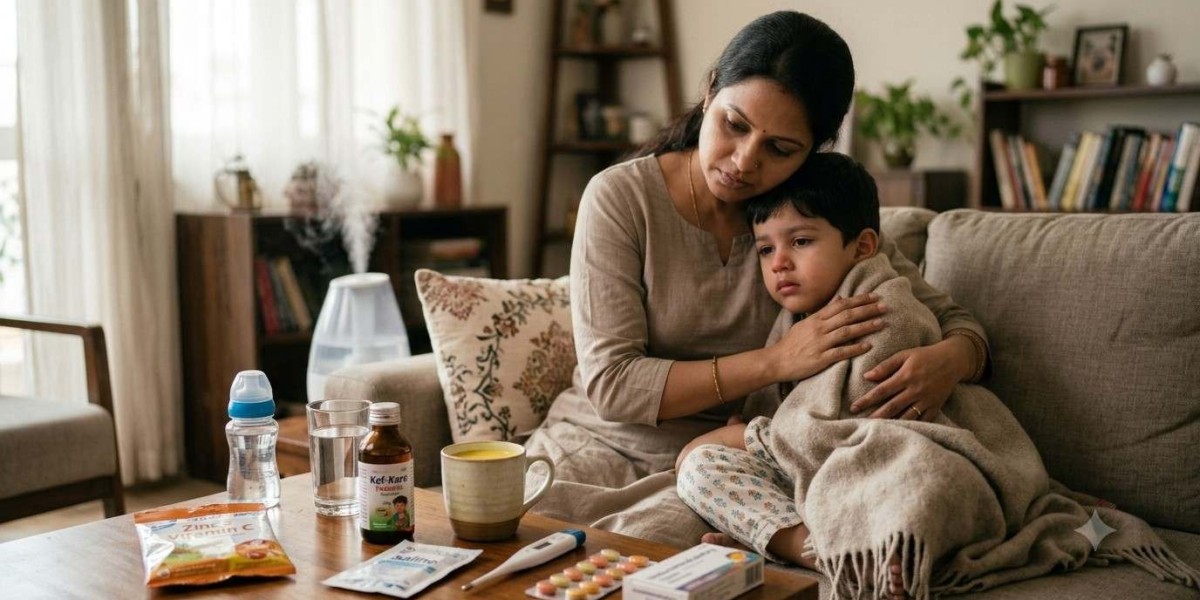

A child's cough or runny nose can quickly make parents concerned, especially when it happens at night or affects sleep. Coughs and colds are common during childhood, and most cases improve with time and supportive care.
The difficult part for parents is knowing what can be comfortably managed at home and when a child's symptoms need medical attention.
Understanding the basics of cough-and-cold-in-kids can help parents respond calmly instead of immediately reaching for medicines.
Why Do Children Get Coughs and Colds So Often?
Children are exposed to many viruses through school, daycare, playgrounds, and everyday interactions. Their immune systems are also still developing, which means they can experience several respiratory infections during childhood.
A typical cold may involve symptoms such as:
Runny or blocked nose
Sneezing
Mild cough
Sore throat
Tiredness
Low-grade fever in some children
Symptoms can vary from one child to another, so parents should pay attention to how the child is behaving and drinking fluids rather than focusing only on the number of symptoms.
Keep the Child Comfortable
There is no need to make every mild cold complicated.
If your child is otherwise comfortable, simple supportive measures can help.
Encourage regular fluids throughout the day. Depending on the child's age, this could include water, milk, soup, or other suitable fluids.
Rest is also important. A child recovering from a cold may need more sleep and quieter activities than usual.
For nasal congestion, saline nasal drops or spray may help loosen mucus. For younger children, parents should follow age-appropriate instructions and ask a healthcare professional if they are unsure.
What About a Child's Cough?
Coughing can be irritating, but it also serves a purpose: it helps clear mucus and irritants from the airways.
Instead of trying to stop every cough, focus on keeping the child comfortable.
For children older than one year, a small amount of honey may help soothe a cough. Honey should not be given to babies younger than one year because of the risk of infant botulism.
Warm fluids may also feel soothing for an older child.
If the cough is persistent, worsening, or interfering significantly with breathing or sleep, speak with a pediatrician.
Be Careful With Cold Medicines
Parents sometimes assume that an over-the-counter cold medicine will make a child's recovery faster. That isn't always the case.
Some cough and cold medicines may not be appropriate for young children, and combining different products can accidentally result in taking the same active ingredient more than once.
Before giving a medicine to a child, check the age recommendations and dosage instructions carefully. When uncertain, ask a pediatrician or pharmacist rather than guessing.
Avoid giving children medication intended for adults unless specifically advised by a healthcare professional.
A Comfortable Room Can Make a Difference
The environment around a sick child matters too.
Keep the room comfortable and avoid exposing the child to cigarette smoke, strong fragrances, dust, or other obvious irritants.
If the air feels very dry, a properly cleaned humidifier may provide some comfort. However, humidifiers need regular cleaning because poorly maintained devices can introduce microorganisms or irritants into the air.
Simple environmental changes can sometimes make a child feel much more comfortable without adding unnecessary treatments.
Don't Force Food
Children often have less appetite when they are unwell.
Instead of insisting on a full meal, offer smaller portions more frequently. The priority during a short illness is usually maintaining hydration and providing foods the child can comfortably tolerate.
Once the child starts feeling better, appetite generally returns.
Watch for signs that the child is drinking adequately, especially during fever or periods of reduced appetite.
When Should Parents Contact a Doctor?
Most mild colds improve with time, but some symptoms deserve medical attention.
Contact a healthcare professional if your child has:
Difficulty breathing or breathing unusually fast
Blue or gray lips or face
Severe weakness or unusual sleepiness
Signs of dehydration
A fever that concerns you or persists according to the child's age and medical circumstances
Symptoms that are getting worse instead of improving
A cough that continues for an unusually long time
Significant chest pain or other concerning symptoms
For babies, very young children, or children with underlying health conditions, it is sensible to seek professional advice sooner when symptoms appear.
Avoid Comparing Your Child With Other Children
Two children can have the same cold virus and experience it differently.
One child may have mostly a runny nose, while another may develop a troublesome cough or fever.
Recovery time can also vary.
Instead of comparing your child's symptoms with a sibling, friend, or something you read online, look at the overall picture: Is the child drinking? Are they alert when awake? Are they breathing comfortably? Are symptoms improving?
These observations can provide more useful information than trying to match the illness to someone else's experience.
Prevention Still Matters
You cannot prevent every childhood cold, but everyday habits can reduce the spread of respiratory infections.
Encourage children to:
Wash their hands regularly
Cover coughs and sneezes with a tissue or elbow
Avoid sharing cups and utensils
Avoid close contact with people who are clearly unwell when practical
Get adequate sleep
Follow recommended vaccinations and routine healthcare guidance
Parents and caregivers should follow local medical advice regarding childhood vaccinations and preventive care.
The Bigger Lesson for Parents
Dealing with a child's cold is often less about finding a magic remedy and more about knowing how to provide comfort while watching for warning signs.
A calm approach can help. Keep the child hydrated, allow plenty of rest, maintain a comfortable environment, and avoid unnecessary medication.
At the same time, don't hesitate to contact a healthcare professional when something doesn't seem right.
Final Thoughts
Cough-and-cold-in-kids is common, but every child deserves individual attention. Most uncomplicated colds can be managed with supportive care, patience, and plenty of rest.
The most useful thing parents can do is learn to distinguish ordinary symptoms from signs that require professional attention.
When in doubt, getting advice from a pediatrician is always better than guessing—especially for infants, young children, or children with existing medical conditions.