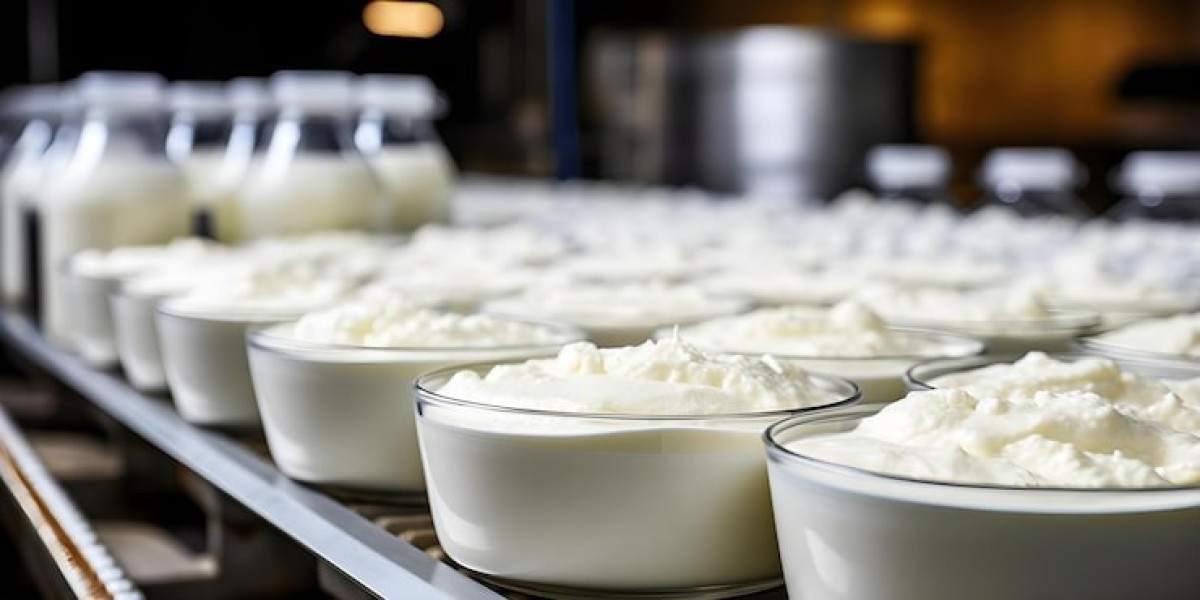

India’s dairy cream industry is developing alongside changes in food consumption, the expansion of organized bakeries, and growing demand for premium desserts and café-style beverages. Cream is widely used in cake decoration, confectionery, cooking, frozen desserts, and packaged food preparation. Its versatility makes it relevant to both household consumers and commercial buyers, including bakeries, restaurants, hotels, cafés, and food manufacturers.
According to the India Dairy Cream Market research report, the market was valued at USD 230 million in 2025 and is projected to reach USD 243.13 million in 2026 and USD 354.95 million by 2032, registering a compound annual growth rate CAGR of 6.51% during 2026–2032. Whipping cream is the leading product category, accounting for approximately 35% of the market in 2026, while bakery and confectionery applications represent around 32%.
Bakery and Confectionery Support Cream Demand
The expansion of bakeries, cake shops, dessert outlets, and confectionery manufacturers is an important driver of dairy cream consumption in India. Cream provides texture, richness, and decorative versatility in cakes, pastries, mousses, fillings, and other desserts. Growing availability of customized cakes and premium bakery products is creating demand for products that deliver consistent whipping performance, stability, and taste.
Commercial buyers typically evaluate cream according to fat content, texture, shelf life, packaging size, and suitability for specific recipes. Whipping cream is particularly relevant to cake decoration and dessert preparation, while cooking cream serves different culinary applications. Suppliers that provide consistent quality and dependable delivery can support bakeries and foodservice businesses that need reliable ingredients for regular production.
Whipping Cream Leads Product Categories
Whipping cream accounts for approximately 35% of India's dairy cream market in 2026, according to the report. Its broad use in bakery products, dessert toppings, and specialty beverages supports its leading position. Commercial kitchens value cream that can achieve the required volume, texture, and stability during preparation, particularly when products must maintain their appearance during storage and display.
The category also serves home bakers and consumers preparing desserts for celebrations. Packaged cream products in cartons, tubs, and other formats give customers options according to their storage capacity and usage frequency. Manufacturers must balance formulation, fat content, packaging, and price to meet the requirements of both commercial users and household consumers.
Foodservice and Café Culture Expand Applications
Restaurants, cafés, hotels, and catering businesses use dairy cream across a variety of menu items. Cream can be incorporated into sauces, soups, desserts, specialty coffee beverages, and other prepared foods. The growth of organized foodservice creates opportunities for suppliers that can provide standardized products in suitable pack sizes and maintain consistent supply.
Demand differs across customer types. A bakery may prioritize whipping stability, while a restaurant may require cream suited to cooking and sauce preparation. Hotels and institutional kitchens may also purchase larger volumes and require dependable delivery schedules. Understanding these differences helps manufacturers develop product portfolios and distribution models suited to the needs of individual commercial segments.
Milk Production Supports Value-Added Dairy Processing
India's extensive dairy sector provides the raw material base for producing cream and other processed dairy ingredients. The National Dairy Development Board's official milk production statistics record national milk production of 239.3 million tonnes in 2023–24. A substantial domestic milk supply supports the wider dairy processing ecosystem, although cream production also depends on milk composition, processing capacity, procurement systems, and demand for other dairy products.
Cream manufacturers need efficient separation, processing, packaging, and quality-control systems to maintain product consistency. Milk fat availability and procurement costs can influence production economics, while seasonal variations and transportation conditions can affect supply planning. Investment in processing equipment and reliable sourcing arrangements can help companies serve both retail and institutional customers.
Food Safety, Packaging, and Shelf Life
Dairy cream is a perishable product, making hygienic processing, appropriate storage, and temperature control important throughout the supply chain. Manufacturers must select processing and packaging methods that suit the product's intended shelf life and distribution model. Fresh cream may require refrigeration, while certain UHT-treated products can offer longer storage periods when processed and packaged appropriately.
The Food Safety and Standards Authority of India's standards for dairy products and cream specify relevant requirements for product definitions, hygiene, and labeling, including declaration of cream type and fat content. Compliance is important for manufacturers and distributors handling packaged cream products. Clear labeling also helps buyers choose products according to their intended culinary use.
Distribution and Regional Opportunities
Dairy cream reaches consumers through supermarkets, hypermarkets, specialty dairy stores, online grocery platforms, and institutional suppliers. Retail channels support household purchases, while business-to-business distribution serves bakeries, hotels, cafés, restaurants, and food processors. Reliable cold-chain arrangements and suitable packaging are especially important for products that require refrigerated storage.
North India accounts for approximately 33% of the market in 2026, according to the report. The region's established dairy consumption, bakery culture, and organized processing infrastructure support demand for cream products. Expansion of retail networks and commercial foodservice in urban and semi-urban areas can provide further opportunities, although regional demand depends on consumer preferences, product availability, and local purchasing power.
Competition and Market Outlook
The India dairy cream market is moderately fragmented, with the five leading players accounting for approximately 45% of market share, according to the report. Key participants include Amul, Mother Dairy, Milky Mist, Hatsun Agro Product, and Parag Milk Foods. Competition involves product consistency, pricing, distribution coverage, packaging, and the ability to serve both retail and commercial customers.
Through 2032, demand is expected to be influenced by bakery and confectionery consumption, organized foodservice, premium desserts, and value-added dairy processing. Whipping cream remains an important product category, while cooking cream, fresh cream, and shelf-stable variants address other applications. Manufacturers that combine reliable sourcing, effective quality control, suitable packaging, and dependable distribution will be better positioned to serve India's evolving dairy cream market.