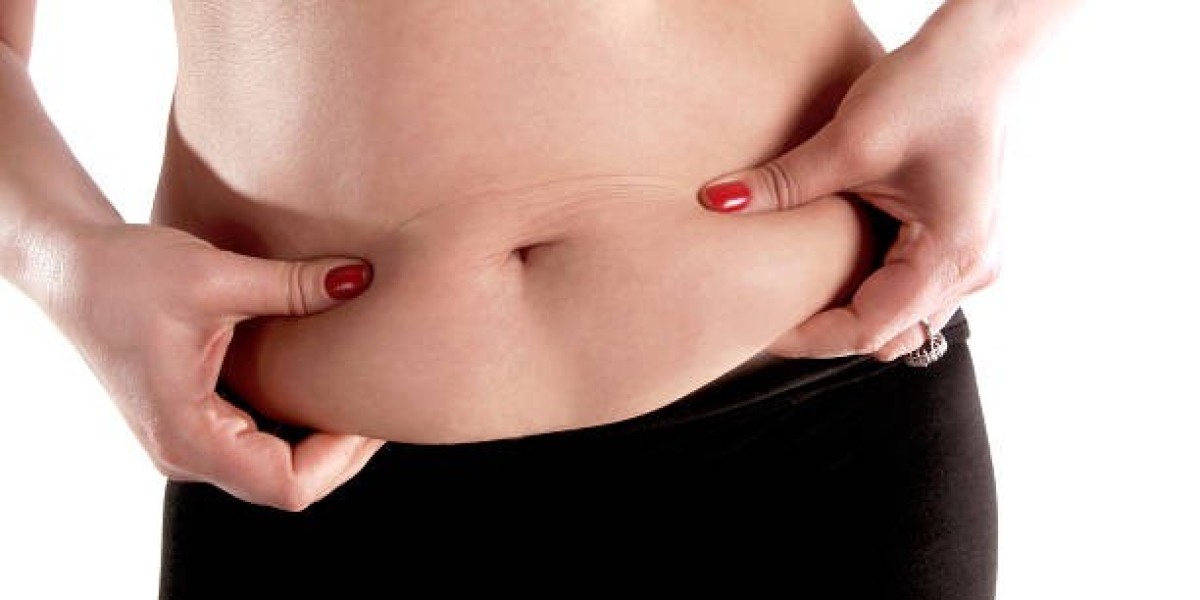

Changes in the abdominal area can develop after pregnancy, significant weight loss, aging, or repeated fluctuations in body weight. These changes may leave the stomach with loose skin, reduced firmness, and weakened supporting tissues. Even with regular exercise and a stable weight, stretched skin and separated abdominal muscles may not return to their previous condition. For individuals exploring Tummy tuck surgery in Riyadh (عملية شد البطن في الرياض), understanding how abdominal contouring addresses these concerns can help clarify whether surgery may be a suitable option.
Why Abdominal Skin Becomes Stretched
The skin naturally expands when the abdomen increases in size. Although it has some ability to contract, prolonged stretching can affect the collagen and elastin fibers responsible for its firmness and flexibility.
Skin Changes After Pregnancy
During pregnancy, the abdominal area expands to accommodate the growing baby. After childbirth, the skin gradually adjusts, but some individuals continue to experience loose tissue, stretch marks, and folds around the lower stomach. The extent of these changes depends on genetics, skin elasticity, and individual body characteristics.
Loose Skin After Significant Weight Loss
When someone loses a substantial amount of weight, the skin may not contract sufficiently to match the body's new shape. This can leave excess tissue around the abdomen, even after reaching a stable weight. Such skin may hang over the lower stomach and affect the overall waistline.
Understanding Weak and Separated Abdominal Muscles
The abdominal muscles support the torso, contribute to posture, and help stabilize the core. The rectus abdominis muscles run vertically along the front of the abdomen and are connected by a band of connective tissue.
Pregnancy and other forms of prolonged abdominal stretching can weaken or separate this connective tissue. This condition is known as diastasis recti. It may create a rounded or protruding stomach appearance, even when excess fat is not the primary concern.
Muscle separation is different from loose skin. While exercise can improve general muscle strength, it may not fully correct significant separation of the abdominal connective tissue. A professional assessment helps determine whether muscle repair should be considered.
How Abdominal Contouring Surgery Addresses Loose Skin
A tummy tuck, medically known as abdominoplasty, is a surgical procedure designed to remove excess abdominal skin and improve the shape of the midsection. The surgeon evaluates the amount and location of loose tissue before planning the procedure.
Removing Excess Tissue
During surgery, the surgeon removes selected areas of stretched skin, commonly from the lower abdomen. This helps reduce hanging folds and creates a smoother abdominal surface. The amount of skin removed depends on individual anatomy and surgical suitability.
Repositioning the Remaining Skin
After excess tissue is removed, the remaining abdominal skin is carefully repositioned and closed. This helps improve the overall appearance of the stomach while maintaining a contour that complements the patient's natural body proportions.
How Muscle Tightening Improves Abdominal Support
When abdominal muscle separation is present, the surgeon may include a technique called muscle plication as part of the tummy tuck.
Bringing Separated Muscles Closer Together
The surgeon uses internal sutures to bring the separated abdominal muscles closer together by tightening the connective tissue between them. The muscles themselves are generally not cut or removed during this process.
Creating a Firmer Abdominal Foundation
Repairing the separation may provide improved support to the abdominal wall and reduce certain types of protrusion. When combined with excess skin removal, it can contribute to a smoother and firmer-looking stomach. Muscle tightening is not necessary for every patient and depends on the surgeon's assessment.
Who May Benefit From Abdominal Contouring Surgery?
Individuals with significant loose abdominal skin, persistent folds, or muscle separation may consider an assessment for surgical contouring. These concerns commonly develop after pregnancy or substantial weight loss.
Suitable candidates are generally in good overall health and have maintained a relatively stable weight. People planning future pregnancies or significant weight changes should discuss their plans with the surgeon because these factors may influence the timing and long-term results.
It is also important to understand that a tummy tuck is not a substitute for weight management. It is primarily intended to address excess skin and selected abdominal structural concerns rather than produce major weight reduction.
What to Expect During Recovery
Recovery involves allowing the skin and underlying tissues to heal properly. Patients may experience swelling, bruising, tightness, and temporary discomfort. These effects can be more noticeable when muscle tightening is included.
The surgeon may recommend wearing a compression garment, taking short walks as instructed, and avoiding heavy lifting or strenuous activities until medical clearance is provided. Follow-up appointments help monitor healing and address any concerns. The abdominal contour gradually becomes clearer as swelling decreases.
Choosing the Right Surgical Approach
The appropriate procedure depends on the amount of loose skin, muscle condition, fat distribution, medical history, and personal goals. Some individuals may be suitable for a mini tummy tuck, while others may require a full or extended approach. A detailed consultation helps establish which technique is appropriate.
Tummy tuck surgery in Riyadh may be considered by individuals seeking to improve stretched abdominal skin and weakened muscle support. A qualified surgeon can explain the expected benefits, possible limitations, and potential risks before treatment.
Book a Consultation at Royal Clinic Saudi
Understanding whether loose skin, muscle separation, or both are affecting your abdominal appearance is an important first step. At Royal Clinic Saudi (عيادات رويال كلينك), patients can discuss their concerns and explore suitable abdominal contouring options based on their anatomy and medical history. Schedule a consultation to learn whether tummy tuck surgery may be appropriate for your goals.
FAQs:
1. Can abdominal contouring surgery remove stretched skin?
Yes. A tummy tuck removes selected excess abdominal skin and repositions the remaining tissue.
2. Does tummy tuck surgery repair weak abdominal muscles?
It may include muscle tightening when separation is present and the surgeon considers repair appropriate.
3. Is muscle tightening included in every tummy tuck?
No. The need for muscle repair depends on the patient's abdominal structure and surgical assessment.
4. Can exercise remove excess abdominal skin?
Exercise can improve muscle strength and fitness, but it cannot reliably remove significant loose skin.