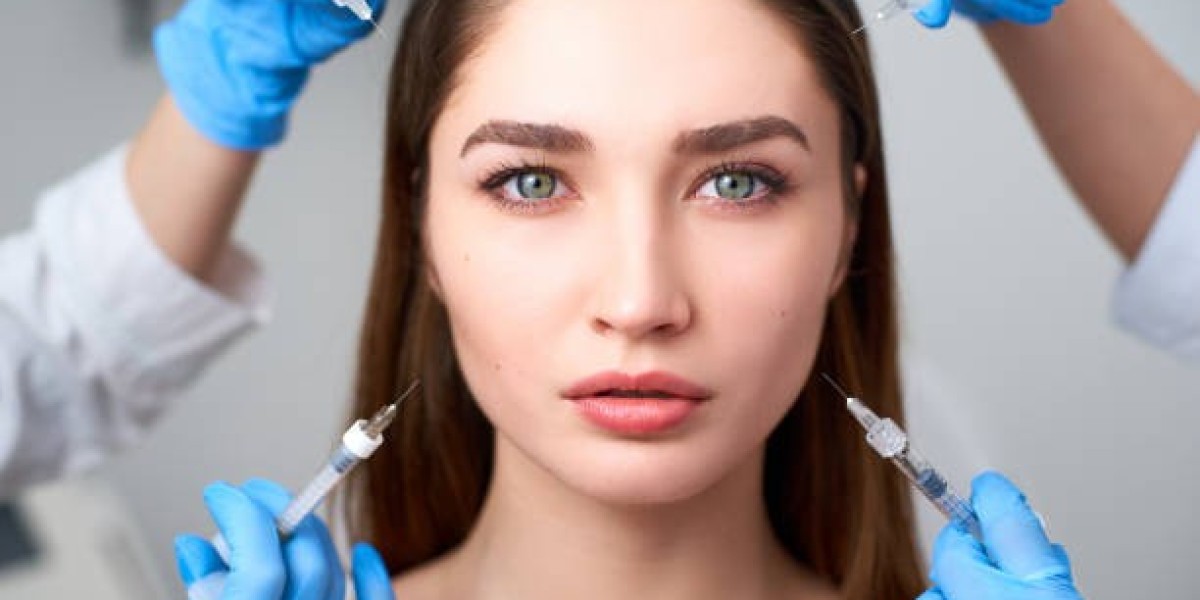

Exploring a regenerative treatment for the first time can bring questions about the procedure, preparation, recovery, and expected outcomes. Stem cell-based approaches have attracted attention in regenerative and aesthetic medicine because researchers are investigating their potential role in tissue repair and cellular activity. stem cell therapy is one option people may explore when considering advanced treatments for skin rejuvenation or other concerns. Before scheduling a session, it is important to understand that procedures marketed as stem cell therapy can differ significantly in their materials, application methods, and clinical evidence.
Understanding Your First Stem Cell Therapy Session
A first session generally begins with an assessment rather than immediate treatment. The practitioner should explain the proposed procedure, review your medical history, and establish whether the treatment is appropriate for your needs.
Stem cell treatments are not standardized across all clinics. Some approaches involve living cells, while others use cell-derived substances such as growth factors or other biological materials. These products are not interchangeable, so understanding exactly what is being offered is essential.
Your consultation should cover the treatment's purpose, available clinical evidence, regulatory status, possible risks, and alternative options. This information helps you make a decision based on realistic expectations.
How to Prepare Before Your First Session
Preparation depends on the procedure and the biological material being used. Your healthcare professional should provide instructions specific to your treatment.
Discuss Your Medical History
Share relevant health information before treatment. This may include:
Existing medical conditions and previous surgeries.
Current medications and supplements.
Known allergies or previous reactions to aesthetic procedures.
Active infections or skin conditions.
Previous regenerative or cosmetic treatments.
Pregnancy or breastfeeding status.
This information helps the practitioner evaluate potential risks and identify any reasons to postpone or avoid treatment.
Understand the Treatment Product
Ask whether the procedure involves living stem cells or cell-derived materials. You should also understand the product's source, preparation, storage, and authorization for the intended use.
Avoid relying on broad descriptions such as natural, regenerative, or advanced without receiving clear information about the actual treatment.
Follow Pre-Treatment Instructions
Some procedures may require specific preparation, particularly if injections or skin-penetrating techniques are involved. Follow the practitioner's guidance about skincare products, medications, and other precautions. Do not stop prescribed medication unless your healthcare professional advises you to do so.
What Happens During the Treatment Session?
The exact steps depend on the treatment method, but a properly planned session should include clear communication and appropriate clinical precautions.
Initial Assessment
Before beginning, the practitioner may examine the treatment area and confirm the goals discussed during consultation. For facial or skin procedures, this may include assessing texture, visible signs of aging, or other concerns.
The practitioner should also confirm that there have been no changes in your health that could affect treatment suitability.
Preparation of the Treatment Area
If the procedure involves the skin, the treatment area may be cleaned using appropriate clinical methods. Depending on the technique, a topical numbing product or another form of pain management may be considered.
The practitioner should explain what sensations you may experience and how discomfort will be managed.
Application of the Biological Material
The application method varies according to the product and procedure. Some treatments involve applying a cell-derived product to the skin, while others may use injections or another delivery technique.
Patients should receive an explanation of the material being administered and how it is intended to work. Stem Cell Therapy in Riyadh should never be assumed to involve the same procedure or biological product at every treatment facility.
Immediate Post-Treatment Assessment
After the procedure, the practitioner may examine the treated area and provide instructions for recovery. You should have an opportunity to ask questions about normal reactions, warning signs, and follow-up care.
What Does the Treatment Feel Like?
The sensations experienced during treatment depend on the application method and the area being treated. Procedures involving skin penetration may cause mild discomfort, pressure, or temporary stinging.
If a topical product is applied, the experience may be different from an injectable procedure. The practitioner should explain what to expect before starting so that you can feel more prepared.
Pain levels and individual responses vary, so no single experience applies to every patient.
What Happens After Your First Session?
Recovery depends on the technique, treatment area, and biological material used. Some people may experience temporary reactions, while others may have minimal visible changes.
Common Temporary Reactions
Depending on the procedure, possible short-term effects may include:
Mild redness around the treated area.
Temporary swelling or tenderness.
Small bruises after injections.
Mild sensitivity or irritation.
Temporary discomfort at the application site.
These reactions should be discussed with your practitioner, including how long they may normally last for the specific procedure.
Following Aftercare Instructions
Your practitioner should provide individualized aftercare guidance. Depending on the technique, recommendations may include gentle skincare, avoiding unnecessary irritation, and protecting the treated area from excessive sun exposure.
Avoid applying unapproved products or massaging the treatment area unless specifically instructed. Contact your healthcare professional if symptoms worsen or you develop signs of infection.
When Can You Expect to See Results?
There is no universal timeline for results from stem-cell-related procedures. Outcomes depend on the treatment product, application method, individual condition, and the concern being addressed.
Some procedures may produce temporary changes in skin appearance, while other proposed regenerative benefits remain under investigation. Patients should not expect immediate tissue regeneration or guaranteed improvements after one session.
For skin rejuvenation, factors such as fine lines, uneven texture, and reduced elasticity may require different treatment approaches. A practitioner should explain which outcomes are supported by evidence and which remain uncertain.
How Many Sessions May Be Needed?
The number of sessions depends on the specific procedure and its intended purpose. Some treatments may involve one application, while others may be offered as a series. However, additional sessions do not automatically guarantee better results.
Before agreeing to a treatment plan, ask why multiple sessions are being recommended, what evidence supports the schedule, and how progress will be evaluated.
Stem Cell Therapy in Riyadh should be approached with a clear understanding of the proposed treatment plan rather than assumptions based on general claims about regenerative medicine.
Possible Risks and Important Safety Considerations
Although regenerative medicine is an active area of research, not every cosmetic application has been established as effective and safe through high-quality clinical studies.
Potential risks depend on the product and procedure and may include infection, inflammation, bruising, swelling, allergic reactions, or unexpected tissue responses. More serious complications may occur with improperly prepared or administered biological products.
Patients should ask about practitioner qualifications, product quality, regulatory authorization, and clinical evidence. Be cautious of claims promising permanent rejuvenation, complete tissue regeneration, or guaranteed results.
Prepare for Your Treatment Consultation at Royal Clinic Saudia
Your first regenerative treatment experience should begin with accurate information and a professional assessment. If you are exploring skin rejuvenation or other regenerative procedures, arrange a consultation at Royal Clinic Saudia to discuss your concerns, understand the available options, and review the potential benefits and limitations of each approach. A personalized discussion can help you make an informed decision while keeping safety and realistic expectations at the center of your care.