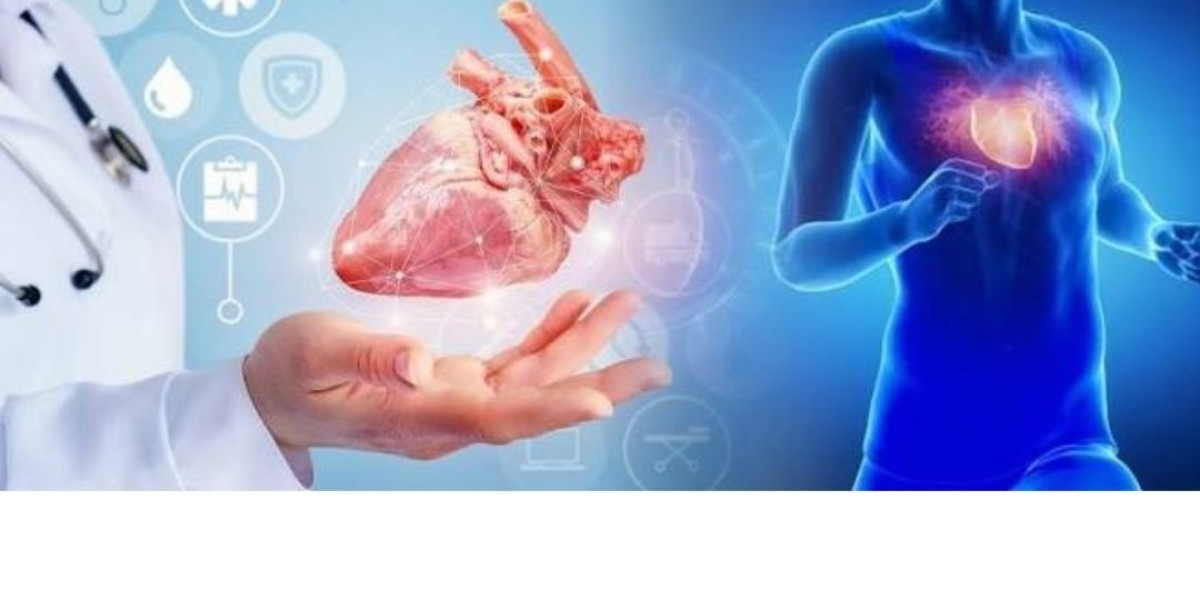

High blood pressure is one of the most common health concerns among adults in India. It often develops without noticeable symptoms, yet uncontrolled blood pressure can gradually damage blood vessels and increase the risk of heart attack, stroke, kidney disease, and other complications. When high blood pressure occurs alongside elevated cholesterol, diabetes, or a family history of heart disease, managing cardiovascular risk becomes even more important. Understanding when to see a cardiologist can help you recognize when specialist advice may be useful and how to take appropriate steps to protect your heart. Regular blood pressure checks, cholesterol monitoring, healthy daily habits, and timely medical care can all contribute to better long-term cardiovascular health.
What is high blood pressure?
Blood pressure is the force exerted by circulating blood against the walls of your arteries. A blood pressure reading contains two numbers.
The systolic number, which appears first, measures pressure when the heart contracts. The diastolic number, which appears second, measures pressure when the heart relaxes between beats.
For example, a reading of 120/80 mmHg means the systolic pressure is 120 and the diastolic pressure is 80.
Blood pressure can vary throughout the day because of physical activity, stress, sleep, caffeine, and other factors. A single elevated reading does not necessarily mean you have persistent hypertension.
Repeated measurements and a healthcare professional's assessment can help determine whether your blood pressure is consistently high and whether treatment is necessary.
Why High Blood Pressure Can Affect Your Heart
When blood pressure remains elevated, the heart has to work harder to pump blood through the body. Over time, this extra workload can affect the heart muscle and blood vessels.
Uncontrolled hypertension can increase the risk of coronary artery disease, heart failure, stroke, kidney damage, and other complications.
High blood pressure can also occur alongside high cholesterol and diabetes. These conditions can affect blood vessels in different ways, making comprehensive risk management important.
Because hypertension often causes no obvious symptoms, feeling well does not guarantee that your blood pressure is healthy.
What Are the Common Causes of High Blood Pressure?
High blood pressure usually develops through a combination of factors rather than one single cause.
1. Family History and Age
A family history of hypertension can increase your likelihood of developing the condition. Blood pressure problems also become more common with age, although younger adults can develop hypertension too.
If close family members have high blood pressure or cardiovascular disease, regular monitoring may be particularly important.
2. High Salt Intake
Excess sodium can contribute to higher blood pressure in many people.
In Indian diets, sodium may come from table salt, pickles, papad, packaged snacks, instant foods, sauces, and restaurant meals.
Reducing excess salt and choosing less processed foods can help support blood pressure management.
3. Physical Inactivity
A sedentary lifestyle can contribute to excess weight, reduced fitness, and higher blood pressure.
Regular physical activity can help improve cardiovascular health and support blood pressure control.
4. Excess Weight
Excess body weight may increase the risk of hypertension, diabetes, and abnormal cholesterol levels.
Sustainable changes in diet and activity can help improve these risk factors over time.
5. Stress, Alcohol, and Tobacco
Ongoing stress, excessive alcohol consumption, and tobacco use can negatively affect cardiovascular health. Smoking also damages blood vessels and increases the risk of heart disease.
Addressing these habits can be an important part of a broader prevention plan.
6. Underlying Medical Conditions
Kidney disease, certain hormonal conditions, sleep apnoea, and some medicines can contribute to high blood pressure.
If your blood pressure is unusually high, difficult to control, or develops unexpectedly, your doctor may investigate possible underlying causes.
What Blood Pressure Reading Is Considered High?
Blood pressure categories can vary slightly between clinical guidelines. A commonly used classification for adults is:
| Blood pressure reading | General interpretation |
|---|---|
| Below 120/80 mmHg | Normal |
| 120–129 systolic and below 80 diastolic | Elevated |
| 130–139 systolic or 80–89 diastolic | Stage 1 hypertension under US-style guidelines |
| 140 systolic or higher, or 90 diastolic or higher | Stage 2 hypertension under US-style guidelines |
These categories are general reference points and are not a substitute for a clinical diagnosis. Different guidelines may use different thresholds, and a doctor will consider repeated measurements, medical history, and overall cardiovascular risk.
If you receive a high reading, sit quietly and repeat the measurement using a properly fitted cuff if you can do so safely. Record the results and discuss persistent elevations with a healthcare professional.
A very high reading, especially around 180 systolic and/or 120 diastolic, requires prompt attention. If it occurs with chest pain, severe breathlessness, confusion, weakness, vision changes, or other serious symptoms, call emergency services immediately. Do not wait for a routine appointment.
How High Blood Pressure and Cholesterol Work Together
Blood pressure and cholesterol are different measurements, but both influence cardiovascular health.
High blood pressure can damage artery walls, while elevated LDL cholesterol contributes to plaque buildup inside the arteries. When these conditions occur together, the overall risk of cardiovascular disease may be greater than with either factor alone.
Diabetes, smoking, kidney disease, and family history can increase risk further.
For this reason, doctors often assess blood pressure and cholesterol together rather than treating them as unrelated concerns.
What Are Normal Cholesterol Levels in India?
A lipid profile measures total cholesterol, LDL cholesterol, HDL cholesterol, and triglycerides.
Common general reference points for adults include:
Total cholesterol: Below 200 mg/dL is generally considered desirable.
LDL cholesterol: Below 100 mg/dL is optimal for many adults at lower cardiovascular risk.
HDL cholesterol: At least 40 mg/dL in men and 50 mg/dL in women are commonly used reference points.
Triglycerides: Below 150 mg/dL is generally considered normal.
If you are researching normal cholesterol levels India, remember that the appropriate LDL target depends on your health history and cardiovascular risk. People with established heart disease or certain high-risk conditions may need considerably lower LDL levels.
A doctor may recommend a lipid profile if you have hypertension, diabetes, a family history of early heart disease, or other risk factors.
When Should You See a Cardiologist for High Blood Pressure?
Many cases of high blood pressure can initially be assessed and managed by a general physician. A cardiologist may be appropriate when the condition is complicated, difficult to control, or accompanied by signs of cardiovascular disease.
1. Your Blood Pressure Remains High Despite Treatment
If your blood pressure remains elevated despite taking prescribed medication and making recommended lifestyle changes, your doctor may review your treatment plan and investigate possible contributing factors.
A specialist may be useful when blood pressure is difficult to control despite several appropriate medications.
2. You Have High Blood Pressure Alongside High Cholesterol
When hypertension occurs with elevated LDL cholesterol, diabetes, or other cardiovascular risk factors, a more detailed risk assessment may be helpful.
A cardiologist can evaluate whether additional cardiac assessment or more intensive prevention is appropriate.
3. You Experience Chest Pain or Unusual Breathlessness
Chest discomfort and unexplained breathlessness can sometimes indicate a cardiovascular problem.
If symptoms are new, severe, persistent, or accompanied by sweating, nausea, fainting, or pain spreading to the arm, jaw, or back, seek emergency care rather than waiting for a cardiology appointment.
4. You Experience Palpitations or Fainting
A racing or irregular heartbeat may have several causes. However, palpitations associated with fainting, chest pain, or severe breathlessness require urgent assessment.
A cardiologist may recommend an ECG or other investigations when appropriate.
5. You Have Known Heart Disease
People with coronary artery disease, previous heart attacks, heart failure, or other significant cardiovascular conditions may need specialist follow-up to manage blood pressure and other risk factors.
6. You Develop Hypertension at an Unusually Young Age
High blood pressure can affect younger adults. When it develops at a young age, is particularly severe, or is difficult to control, your doctor may investigate secondary causes.
A specialist referral may be appropriate depending on the findings.
How Can You Monitor Blood Pressure at Home?
Home monitoring can help you and your doctor understand how your blood pressure changes throughout the day.
Use a validated upper-arm monitor with a cuff that fits correctly. Before taking a measurement, avoid smoking, caffeine, and exercise for about 30 minutes when possible. Empty your bladder, sit quietly for five minutes, and keep your back supported and feet flat on the floor.
Place your arm at heart level and avoid talking during the measurement. Take two readings about one minute apart and record the results.
Follow your clinician's instructions regarding how often to measure your blood pressure. Do not change your medication based on an isolated reading unless your healthcare professional has provided a specific plan.
Lifestyle Changes That Help Control High Blood Pressure
Daily habits can support blood pressure control and improve overall cardiovascular health.
Reduce Excess Salt
Reduce the amount of added salt in cooking and limit foods that contain substantial sodium. Packaged snacks, pickles, papad, instant meals, and restaurant foods can contribute significant amounts.
You do not need to eliminate every traditional food. Focus on reasonable portions and consistent reductions in excess salt.
Eat a Balanced Diet
Choose vegetables, fruit, whole grains, beans, lentils, and other fibre-rich foods regularly. Include appropriate portions of nuts and seeds and choose healthier fat sources when possible.
Limit heavily processed foods and foods high in saturated fat. Your doctor or dietitian can help you adapt a heart-friendly eating pattern to your preferences and health needs.
Exercise Regularly
Many adults can aim for at least 150 minutes of moderate-intensity aerobic activity each week, depending on their health and abilities.
Walking, cycling, swimming, and similar activities can help improve cardiovascular fitness and blood pressure.
If you have symptoms or a known heart condition, ask your healthcare professional what level of exercise is appropriate.
Maintain a Healthy Weight
If you have excess body weight, gradual and sustainable weight management may help lower blood pressure and improve cholesterol and blood sugar control.
Avoid extreme diets or rapid weight-loss methods that are difficult to maintain.
Avoid Tobacco and Limit Alcohol
Smoking damages blood vessels and increases cardiovascular risk. Avoiding tobacco is an important part of heart health.
Alcohol can also raise blood pressure, especially when consumed in excess. If you drink, discuss appropriate limits with your healthcare professional.
Prioritise Sleep and Stress Management
Poor sleep and ongoing stress can affect blood pressure and other health behaviours.
Maintain a consistent sleep schedule and use practical stress-management techniques, such as relaxation exercises and regular physical activity. If you snore heavily or experience persistent daytime sleepiness, discuss possible sleep apnoea with your doctor.
Can Online Cardiology Consultations Help With High Blood Pressure?
Online consultations may help you discuss home blood pressure readings, cholesterol reports, medication questions, and long-term cardiovascular risk with a qualified cardiologist.
During an appointment, the doctor may review your medical history, symptoms, current medication, and available test results. They can advise whether further investigations or an in-person assessment are necessary.
Online care can be particularly useful for routine follow-up when you have reliable home readings and no urgent symptoms.
However, a video or phone consultation cannot replace every physical examination or diagnostic test. If you have a very high blood pressure reading with serious symptoms, seek emergency medical care immediately.
Frequently Asked Questions
1. Can high blood pressure exist without symptoms?
Yes. Hypertension often has no noticeable symptoms. Regular blood pressure measurements are important even when you feel healthy.
2. Should I see a cardiologist for every high blood pressure reading?
No. One high reading does not automatically mean you need a cardiologist. A general physician can assess repeated readings and determine whether specialist referral is necessary.
3. Can high cholesterol make high blood pressure more dangerous?
Both conditions contribute to cardiovascular risk through different mechanisms. When they occur together, your doctor may recommend more comprehensive risk management.
4. Can lifestyle changes control blood pressure without medication?
Some people can improve their blood pressure substantially through lifestyle changes. Others need medication because of the severity of hypertension, their overall risk, or other medical conditions. Follow your doctor's advice.
5. How often should I check my blood pressure?
The frequency depends on your readings, medical history, and treatment plan. People with diagnosed hypertension may need regular home measurements, while others may need periodic checks during routine healthcare visits.
6. Can I consult a cardiologist online for high blood pressure?
Yes. Online consultations can help with report reviews, medication discussions, and suitable follow-up. Some cases require in-person examination or additional testing.
7. When is high blood pressure an emergency?
A reading around 180/120 mmHg or higher requires prompt attention. If a very high reading occurs with chest pain, severe breathlessness, confusion, weakness, vision changes, or other serious symptoms, call emergency services immediately.
Conclusion
Managing high blood pressure is an important part of protecting your heart, particularly when it occurs alongside high cholesterol, diabetes, smoking, or a family history of cardiovascular disease. Regular blood pressure checks, appropriate cholesterol testing, healthy eating, physical activity, and prescribed treatment can help reduce long-term risk.
If your blood pressure remains high despite treatment or you have additional cardiovascular concerns, seek medical advice about whether a cardiology assessment is appropriate. For non-emergency questions about your readings, cholesterol report, or heart health, an online cardiologist consultation India appointment may help you understand your risk factors and discuss suitable next steps.




