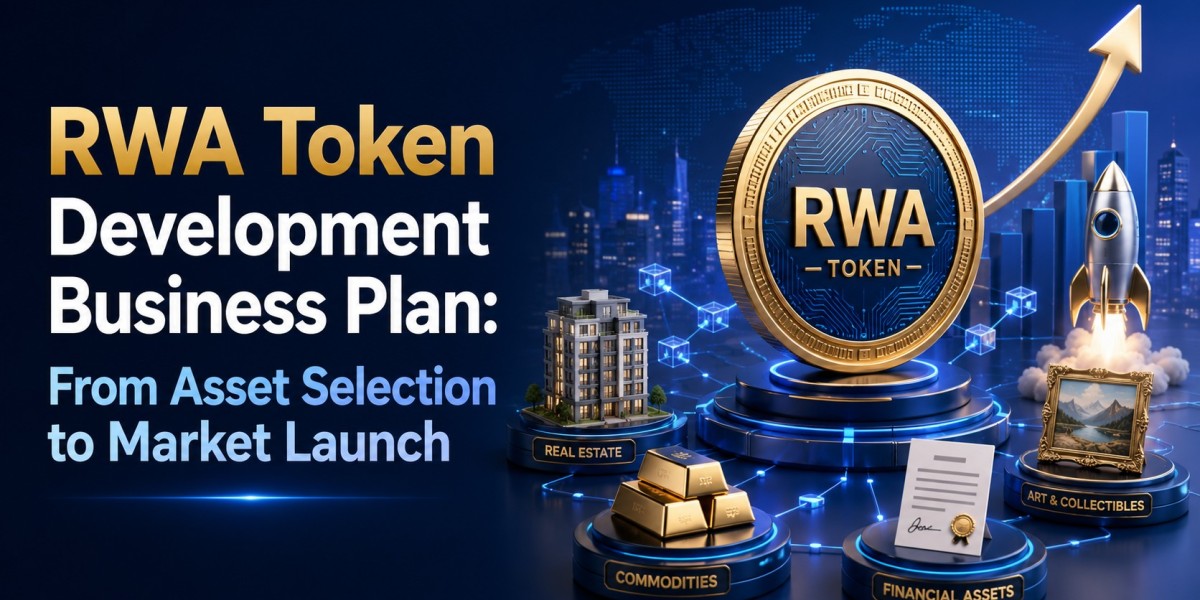

RWA token development has become a practical business model for companies looking to represent physical and financial assets through blockchain-based tokens. Real estate, commodities, private credit, artwork, infrastructure projects, and other asset classes can be represented digitally when the legal, financial, and technical structure is planned correctly. However, launching an RWA token project requires more than creating a token contract. Businesses need to decide which assets to tokenize, identify the target investors, establish ownership rights, select a blockchain network, plan compliance procedures, and prepare a platform for issuance and trading.
A business plan gives the project a structured path from the first asset assessment to market launch. It also helps founders estimate costs, define revenue sources, select technology partners, and prepare for operational requirements. This article explains the main methods businesses can follow when planning an RWA token development project.
Method 1: Select the Right Asset Class
The first stage is deciding what type of real-world asset the business will represent through tokens. The choice should be based on asset value, ownership structure, investor interest, documentation, liquidity requirements, and applicable regulations. Real estate is frequently considered because properties can have substantial values and may be divided into smaller investment units. Other possibilities include gold, commodities, invoices, private debt, art, equipment, and infrastructure projects.
Businesses should assess whether the asset has reliable valuation data and documented ownership. An asset with unclear ownership, inconsistent valuation, or complicated legal claims can create problems later. A detailed asset assessment can help determine whether tokenization is commercially suitable before money is committed to platform development.
Method 2: Define the Tokenization Business Model
Once the asset has been selected, the company needs to decide how the token will generate business value. A property tokenization project, for example, may represent fractional ownership, revenue participation, debt claims, or another legally defined interest in an asset. The token structure should match the rights that investors actually receive.
Revenue can come from several sources, including token issuance fees, transaction fees, asset management charges, listing fees, custody fees, subscription charges, and secondary market commissions. Businesses should calculate expected income against technology, legal, compliance, asset management, marketing, and operational expenses.
A well-planned model also defines who pays each fee. Issuers may pay listing or issuance charges, while investors may pay transaction or management fees. This helps the company estimate potential income before launching the platform.
Method 3: Research the Target Investor Market
An RWA project needs a defined investor group rather than a general market approach. The target audience may include retail investors, accredited investors, institutions, family offices, private funds, or businesses seeking alternative investment opportunities. Each group can have different requirements concerning minimum investment amounts, documentation, risk, liquidity, and regulatory access.
Market research should examine existing tokenized asset platforms, investment products, geographic demand, asset preferences, and investor expectations. Businesses can use this information to decide whether their project should focus on property, private credit, commodities, collectibles, or another asset class.
The research should also identify the markets where the platform intends to operate. Regulations for tokenized securities and investment products vary by jurisdiction, so market selection can affect the entire business model.
Method 4: Establish the Legal and Compliance Structure
Legal planning is one of the most important parts of Real World Asset Tokenization. A token may represent ownership, debt, income rights, or another financial interest, and its classification can affect registration, investor eligibility, reporting, and trading requirements.
Businesses should work with legal professionals familiar with digital assets and securities regulations. The legal structure may involve special-purpose entities, asset custodians, trustees, fund structures, or other arrangements depending on the asset and jurisdiction.
Compliance procedures may include Know Your Customer checks, Anti-Money Laundering screening, investor accreditation checks, transaction monitoring, tax reporting, and record maintenance. The exact requirements depend on the market and asset type. Legal documentation should explain what each token represents and what rights investors receive.
Method 5: Design the Token Economics
Token economics explains how tokens are issued, priced, distributed, transferred, and potentially redeemed. Businesses need to decide the total token supply, token price, minimum investment amount, allocation structure, payment methods, and redemption process.
For example, a property worth $10 million could be represented through a defined number of tokens, with each token representing a legally specified interest. The token price should correspond to the underlying asset structure rather than being selected only for marketing purposes.
Businesses should also establish policies for token transfers, holding periods, investor limits, distributions, and corporate actions. If token holders receive rental income, interest, dividends, or other returns, the distribution process should be described before the project reaches the market.
Method 6: Select the Blockchain Network and Technical Architecture
The blockchain network should be selected according to transaction costs, security, smart contract support, wallet compatibility, ecosystem availability, and regulatory requirements. The project may use a public blockchain, permissioned network, or a combination of blockchain infrastructure and traditional databases.
The technical architecture normally includes smart contracts, investor onboarding, identity verification, token issuance, asset records, payment processing, wallet management, administrative controls, reporting, and monitoring tools.
At this stage, businesses may work with an RWA tokenization development company to define the technology stack and application structure. A capable technical partner can help translate the business requirements into a working tokenization platform without losing sight of the legal and financial model.
Method 7: Plan the RWA Tokenization Platform
The platform acts as the operating environment where issuers, investors, administrators, and other participants interact. A typical platform can include asset listing, token issuance, investor registration, KYC verification, wallet integration, portfolio tracking, payment management, token transfer, reporting, and administrative dashboards.
For companies planning rwa tokenization platform development, the interface should make asset information easy to review. Investors may need access to property documents, valuation information, expected returns, risk information, token supply, ownership records, and transaction history.
Administrators may require tools for approving investors, managing token allocations, reviewing transactions, generating reports, and monitoring asset-related activity. The exact platform functions should be based on the business model instead of adding features without a clear purpose.
Method 8: Develop and Test the Token
The smart contract defines how the token behaves on the selected blockchain. It may include functions for minting, burning, transferring, pausing, restricting certain wallets, distributing income, and managing approved participants.
Smart contract development should be followed by functional testing and security review. Testing can examine token issuance, transfers, investor restrictions, payment calculations, administrative permissions, and unusual transaction scenarios.
RWA token development may also require integration with identity providers, payment systems, custody solutions, valuation services, and other external systems. Each integration should be tested before the platform is opened to investors.
Method 9: Prepare Asset Verification and Investor Onboarding
Tokenization does not remove the need to verify the underlying asset. Businesses should maintain documents proving ownership, valuation, insurance where applicable, legal status, and other relevant information. Depending on the asset, third-party valuation or auditing may also be required.
Investor onboarding should follow the project's compliance model. Users may need to submit identity documents, address information, tax details, accreditation information, and other records. Once approved, investors can receive access according to their eligibility.
This process is particularly important for Real World Asset Tokenization Services because the platform connects blockchain-based assets with real-world legal and financial arrangements.
Method 10: Create the Market Launch Strategy
Before launch, the company should determine how tokens will reach the intended investor audience. Marketing should explain the underlying asset, token rights, investment structure, risks, fees, eligibility requirements, and expected use of funds.
A phased launch can be useful. The business might begin with a limited asset offering and a restricted group of investors before expanding. Early activity can provide useful information about onboarding, transaction processing, investor interest, and platform performance.
Partnerships can also support market entry. Depending on the business model, these may include property firms, asset managers, financial institutions, custodians, legal firms, payment providers, and investment platforms.
Method 11: Choose the Right Development Partner
Businesses that do not have an in-house blockchain team may work with an RWA Tokenization Company for technical planning and implementation. When evaluating providers, companies should examine their experience with smart contracts, token standards, investor platforms, compliance integrations, wallets, asset management systems, and blockchain infrastructure.
RWA tokenization development services may cover business analysis, UI design, smart contract creation, backend development, blockchain integration, security testing, wallet integration, and deployment. The company should select a provider based on the actual requirements of the project rather than choosing a vendor only because of a low development quote.
RWA Tokenization Services can also cover post-launch maintenance, platform upgrades, monitoring, bug fixes, and technical support. These services can be included in the operating budget from the beginning.
Method 12: Build a Financial Plan and Launch Timeline
A business plan should include estimated expenses for legal work, asset verification, technology development, smart contract audits, compliance systems, infrastructure, marketing, staffing, and ongoing maintenance. The budget will vary considerably depending on the asset class and platform functions.
The launch timeline can be divided into stages such as asset assessment, legal structuring, business model planning, technology selection, platform development, testing, compliance preparation, pilot issuance, and public launch.
Businesses should also define measurable targets. These may include the number of assets listed, token sales volume, investor registrations, transaction volume, platform revenue, customer acquisition cost, and retention rate. Tracking these figures gives management a basis for reviewing the business after launch.
Method 13: Plan Post-Launch Operations
Market launch is not the final stage of an RWA project. The company needs ongoing processes for asset reporting, investor communication, compliance reviews, token management, customer support, security monitoring, and financial reporting.
If token holders receive income from an asset, the business must maintain a reliable process for calculating and distributing those payments. Asset information may also need periodic updates based on valuations, financial performance, ownership changes, or other events.
A post-launch operating plan should also address incident response, contract upgrades, wallet issues, user disputes, regulatory changes, and platform maintenance. These processes can help the business maintain consistent operations as its tokenized asset portfolio grows.
Conclusion
An RWA token development business plan should connect asset selection, legal structuring, token economics, investor research, blockchain technology, platform development, compliance, marketing, and post-launch operations into one practical process. Businesses should first select assets with documented ownership and a viable investment model, then define token rights and revenue sources before moving into technical development. Working with an RWA tokenization development company can help businesses manage smart contracts, platform functions, blockchain integration, and supporting technology while legal and financial specialists address regulatory and asset-related requirements. Real World Asset Tokenization can provide a structured way to represent real-world interests digitally, but commercial success depends on the quality of the asset model, investor proposition, compliance process, technology, and operating plan. Blockchain App Factory provides RWA tokenization development services for businesses planning tokenized asset platforms and blockchain-based investment ecosystems.
FAQs
1. What is an RWA token development business plan?
An RWA token development business plan is a structured document covering asset selection, legal arrangements, token economics, investor research, technology requirements, revenue sources, compliance, marketing, and launch operations for a tokenized real-world asset project.
2. Which assets can be used for RWA tokenization?
Common asset categories include real estate, commodities, private credit, invoices, artwork, infrastructure, equipment, and other assets with identifiable ownership and measurable value.
3. Why is legal planning important for RWA token development?
Legal planning determines what the token represents, what rights investors receive, how ownership is structured, and which regulatory and compliance requirements apply to the project.
4. What does an RWA tokenization platform include?
A platform may include asset listing, investor onboarding, KYC verification, token issuance, wallet integration, payments, token transfers, portfolio management, reporting, and administrator controls.
5. How does RWA tokenization generate revenue?
Revenue models can include token issuance fees, listing charges, transaction fees, asset management fees, subscription charges, custody fees, and secondary market commissions.
6. What does an RWA tokenization development company provide?
An RWA tokenization development company may provide smart contract development, blockchain integration, platform development, wallet integration, compliance-related integrations, testing, deployment, and ongoing technical maintenance.
7. What is the difference between RWA Tokenization and Real World Asset Tokenization?
RWA Tokenization and Real World Asset Tokenization generally refer to the same broad concept of representing interests in physical or traditional financial assets through blockchain-based tokens. The exact structure depends on the asset and legal arrangement.
8. How long does it take to launch an RWA token platform?
The timeline depends on the asset class, legal structure, platform functions, blockchain network, compliance requirements, integrations, and testing scope. A simple project can require less development work than a multi-asset investment platform.
9. What should businesses consider before choosing RWA Tokenization Services?
Businesses should review the provider's blockchain experience, smart contract capabilities, security practices, platform features, integration experience, support model, and understanding of tokenized asset requirements.
10. Is RWA token development suitable for every asset?
No. The asset should have identifiable ownership, reliable documentation, suitable valuation methods, and a legally workable structure. Businesses should assess the asset before investing in tokenization technology.